For anyone passionate about culinary arts, learning in a professional environment is the fastest way to elevate skills. A chef cooking school provides structured training, hands-on practice, and mentorship from experienced chefs, transforming cooking from a hobby into a profession.
In Malaysia, aspiring chefs and food enthusiasts have access to programs that combine theory, practical skills, and real-world kitchen experience. This article explores what a chef cooking school offers, the benefits of professional training, and how it prepares students for a culinary career.
Key Takeaways
- A chef cooking school provides hands-on experience in fully equipped professional kitchens.
- Training includes foundational cooking techniques, advanced culinary skills, and kitchen management.
- Students learn from experienced chefs and gain insights into industry standards.
- Courses are designed for both aspiring professionals and serious home cooks.
- Graduates can pursue careers in restaurants, hotels, catering, or start their own food ventures.
Why Enrol in a Chef Cooking School?
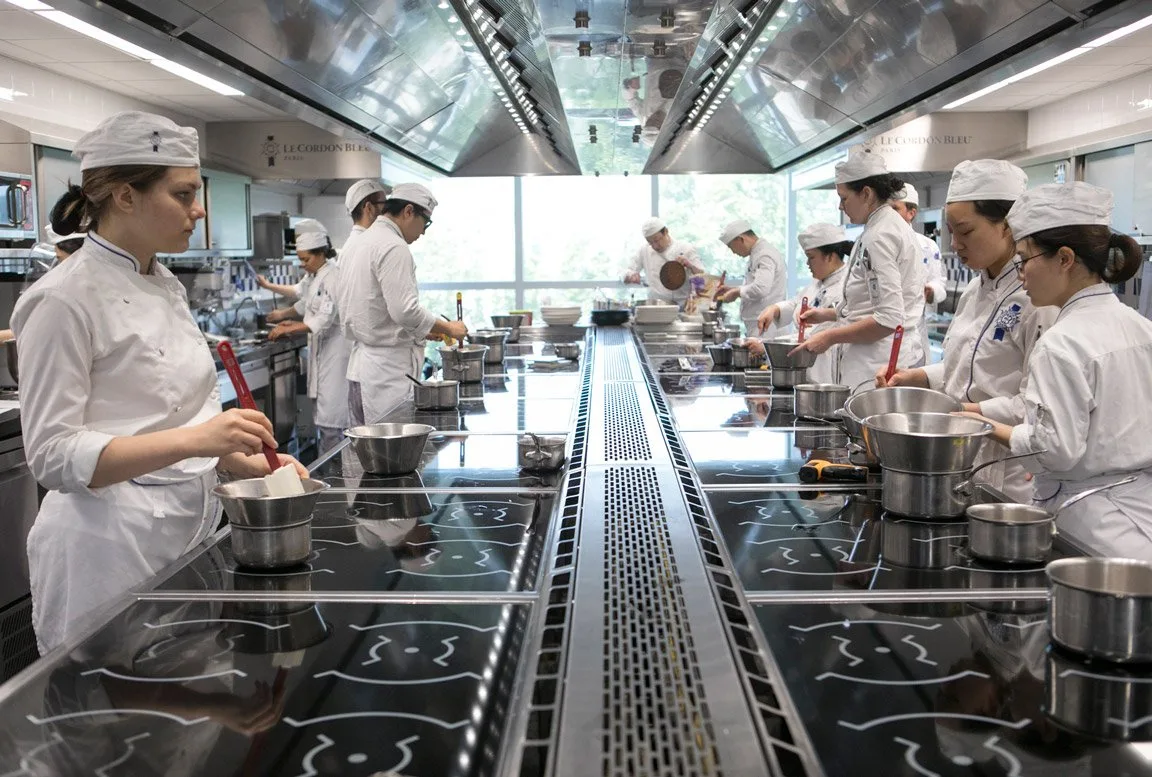
Professional kitchens operate differently from home kitchens. Recipes alone are insufficient; technique, timing, and workflow are critical. A chef cooking school offers:
- Hands-on mentorship – Students practice under experienced chefs who provide real-time feedback.
- Structured skill progression – Programs move from basic knife skills and cooking methods to advanced culinary techniques.
- Exposure to professional equipment – Students learn to use ovens, grills, mixers, and specialized tools commonly found in commercial kitchens.
- Operational insight – Training covers hygiene, kitchen safety, and efficient workflow management.
Whether aiming for a culinary career or refining home-cooking expertise, a chef cooking school provides the environment and guidance to master professional standards.
Core Components of a Chef Cooking School
A comprehensive chef cooking school curriculum balances foundational lessons with advanced training and real-world exposure.
1. Foundational Culinary Skills
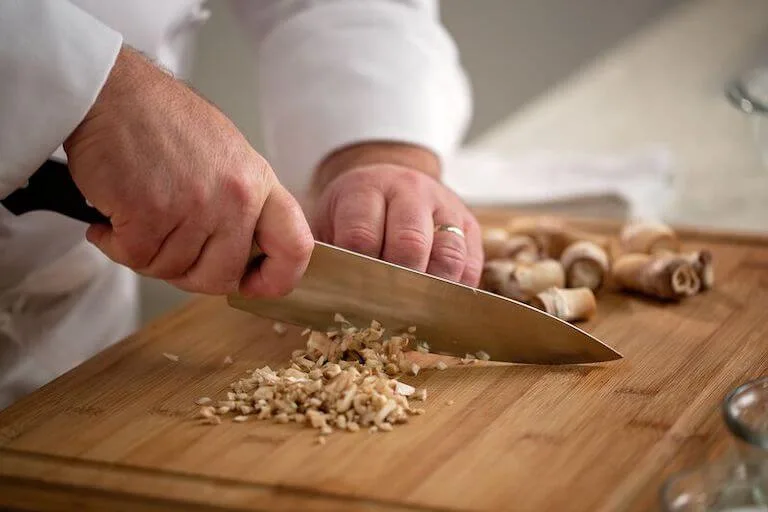
- Knife techniques: chopping, dicing, julienne, and filleting
- Cooking methods: sautéing, roasting, braising, steaming, and grilling
- Stocks, sauces, and soups
- Egg, dough, and pastry basics
These fundamentals ensure students develop precision, timing, and consistency.
2. Intermediate Skills and Techniques
- Meat, poultry, and seafood preparation
- Advanced pastry and dessert techniques
- International cuisines: Italian, French, Japanese, Malaysian specialties
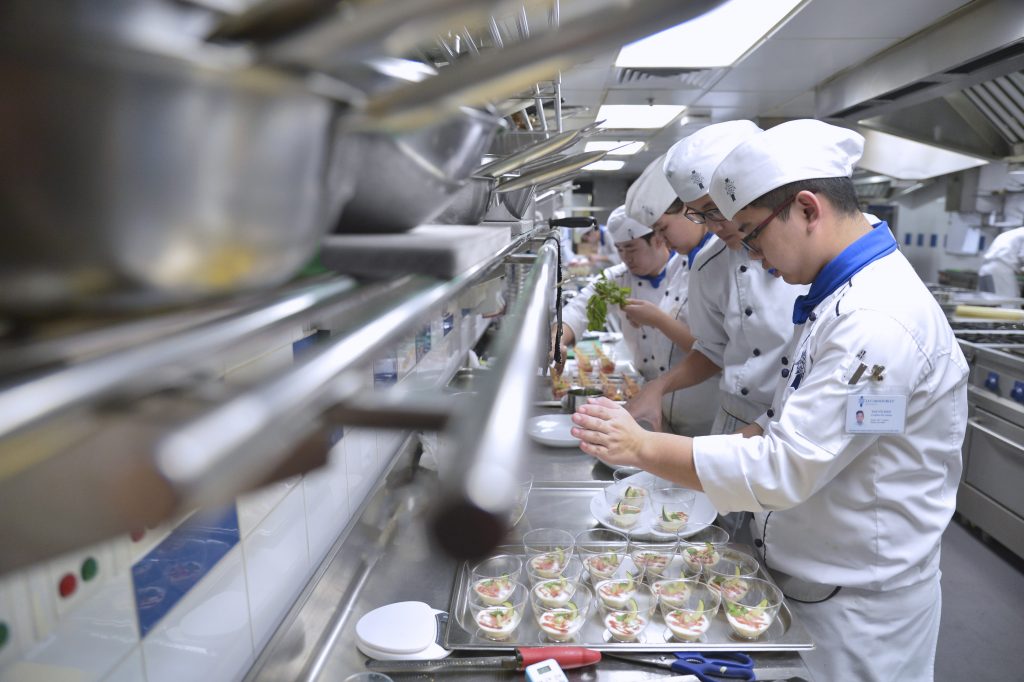
- Flavor balancing, seasoning, and plating
At this stage, students refine techniques and develop confidence in combining flavors and textures.
3. Advanced Culinary Training
- Fine dining preparation and plating
- Menu planning and recipe development
- Molecular gastronomy and modern cooking innovations
- Catering and event preparation
Advanced modules focus on creativity, presentation, and professional kitchen standards, preparing students for high-level culinary environments.
4. Professional Kitchen Practices
- Time management and multitasking in a fast-paced environment
- Hygiene, food safety, and sanitation standards
- Inventory, procurement, and cost control
- Teamwork and kitchen hierarchy
Understanding professional kitchen operations equips students for real-world culinary challenges.
Benefits of Completing a Chef Cooking School
Graduates gain practical skills, industry knowledge, and professional confidence. Key benefits include:
- Career readiness – Work in restaurants, hotels, catering companies, or start private culinary ventures.
- Creative mastery – Learn to develop unique recipes, presentation styles, and flavor combinations.
- Networking opportunities – Build connections with instructors, fellow students, and industry professionals.
- Skill versatility – Competence in multiple cuisines and culinary disciplines.
Choosing the Right Chef Cooking School
When selecting a chef cooking school, consider the following:
Factor | What to Look For |
Instructor Expertise | Professional chefs with industry experience and mentorship skills |
Curriculum | Covers foundational, intermediate, and advanced culinary techniques |
Facilities | Fully equipped commercial kitchen with modern appliances |
Class Size | Smaller groups for personalized guidance |
Certification | Recognized diploma or professional credential for career advancement |
Conclusion
A chef cooking school offers more than cooking lessons; it provides an immersive experience that blends technique, creativity, and professional discipline. Graduates leave with the confidence, skill, and knowledge to succeed in kitchens ranging from boutique restaurants to five-star hotels.
For anyone serious about mastering the culinary arts, a chef cooking school is the gateway to turning passion into a professional culinary career.