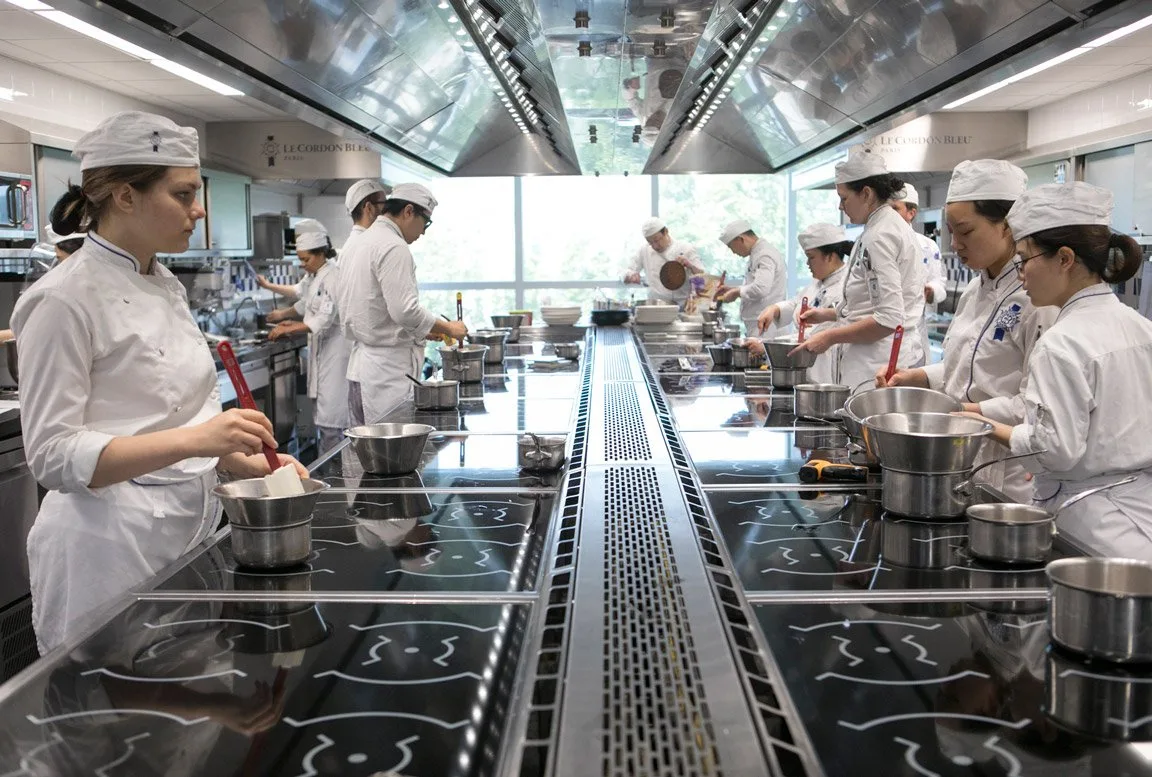
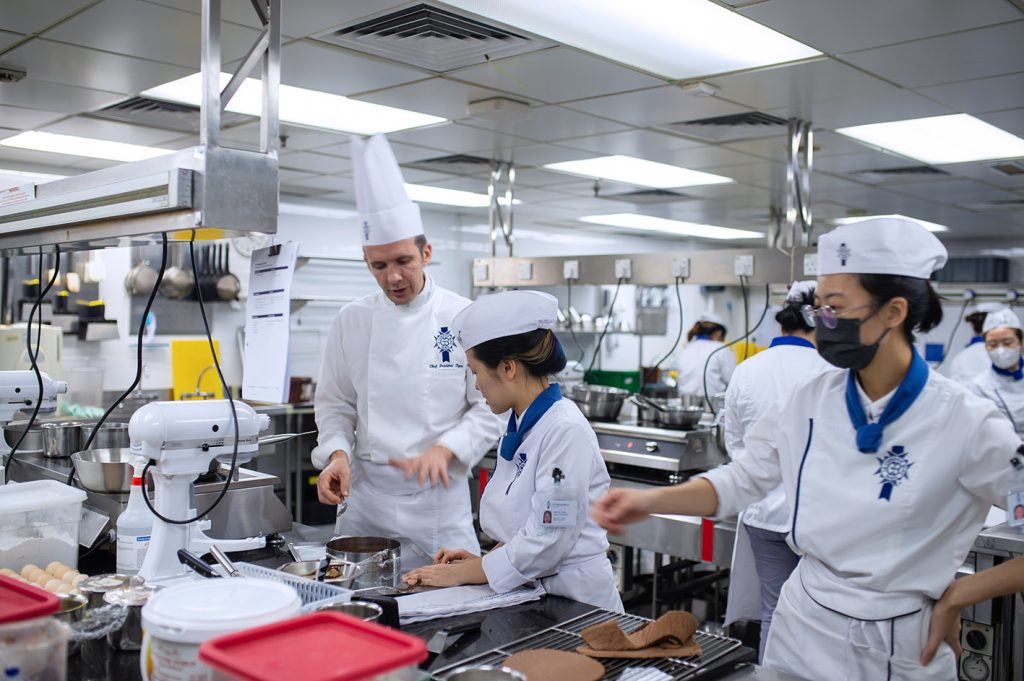
For anyone serious about pursuing a career in the culinary arts, selecting the right culinary school is a critical first step. The right program can provide hands-on experience, technical skills, and industry connections that lay the foundation for a successful career in restaurants, hotels, catering, or private ventures. In Malaysia, aspiring chefs have a variety of options, from professional diploma programs to short-term workshops that focus on specific cuisines or techniques.
This guide helps prospective students navigate the selection process and understand what to look for when choosing a culinary school in Malaysia.
Key Takeaways
- A culinary school provides structured training, professional mentorship, and access to commercial kitchens.
- Program choice depends on career goals, skill level, and preferred culinary style.
- Factors to consider include instructors’ expertise, curriculum, facilities, class size, and accreditation.
- Graduates gain practical skills, professional confidence, and networking opportunities.
- Choosing the right school accelerates career readiness and enhances long-term success in the culinary industry.
Why Enrol in a Culinary School?
Cooking at home can develop passion, but a professional kitchen demands precision, speed, and creativity. Enrolling in a culinary school offers:
- Hands-on experience in professional kitchens – Learn how commercial kitchens operate and use industry-grade equipment.
- Structured skill development – Courses progress from foundational techniques to advanced culinary practices.
- Mentorship from experienced chefs – Receive feedback, guidance, and real-world insights.
- Industry-standard knowledge – Understand food safety, hygiene, kitchen management, and workflow efficiency.
A culinary school transforms raw talent into refined skills, preparing students to work in high-pressure, professional environments.
Core Components of a Culinary School Curriculum
A well-rounded culinary school program balances fundamental techniques with advanced training and practical exposure.
1. Foundational Culinary Skills
- Knife handling and cutting techniques
- Cooking methods: sautéing, roasting, steaming, and frying
- Stocks, sauces, and soups
- Dough and pastry basics
Mastering the fundamentals ensures consistency, speed, and accuracy in the kitchen.
2. Intermediate Skills
- Meat, poultry, and seafood preparation
- Regional and international cuisines
- Flavor balancing, seasoning, and plating
- Baking and dessert techniques
Students refine techniques, enhance creativity, and learn to execute complex recipes.
3. Advanced Training
- Fine dining plating and presentation
- Menu planning and recipe development
- Event catering and large-scale food preparation
- Modern cooking techniques and innovative approaches
Advanced courses prepare students to handle high-end culinary environments and develop signature dishes.
4. Professional Kitchen Practices
- Kitchen hygiene, sanitation, and food safety standards
- Inventory management and cost control
- Teamwork and kitchen hierarchy
- Time management and multitasking
Understanding operational workflows equips students for real-world culinary challenges.
Factors to Consider When Choosing a Culinary School
Factor | What to Look For |
Instructor Expertise | Professional chefs with industry experience and mentorship skills |
Curriculum | Comprehensive coverage of basic to advanced culinary skills |
Facilities | Fully equipped commercial kitchens with modern appliances |
Class Size | Small enough to provide personalized guidance |
Accreditation | Recognized diploma or certificate for career credibility |
Selecting the right school ensures that students receive quality training aligned with industry standards.
Benefits of Completing a Culinary School Program
Graduates gain skills, confidence, and professional readiness. Key benefits include:
- Career readiness – Qualified to work in restaurants, hotels, catering services, or start private ventures.
- Skill versatility – Competent across multiple cuisines and culinary disciplines.
- Networking opportunities – Build connections with instructors, peers, and industry professionals.
- Creative mastery – Ability to develop original recipes, presentation styles, and menus.
Conclusion
Choosing the right culinary school in Malaysia is more than picking a training program; it is selecting a path toward professional success. From foundational skills to advanced culinary techniques, a good school equips aspiring chefs with the knowledge, experience, and confidence to thrive in demanding kitchens.
For those committed to turning culinary passion into a career, investing time and effort into selecting the right school ensures a strong foundation and long-term growth in Malaysia’s dynamic food industry.