Fusion cuisine has become more common in recent decades. Yet, it still carries a reputation for novelty.
The idea of combining culinary traditions can sometimes appear experimental or decorative, yet thoughtful fusion cooking follows a far more deliberate process. Chefs begin with a clear understanding of traditional dishes, then reinterpret elements through refined technique, smart ingredient substitution, or thoughtful presentation.
In Malaysia, this approach feels particularly natural. The country’s culinary landscape already brings together diverse ingredients and cooking traditions. Within culinary classes, students explore how classical techniques and regional flavours can interact without losing the identity of either influence.
In that sense, what is taught in cuisine classes in Malaysia is less about inventing unusual combinations, but more about transforming familiar dishes in ways that highlight both heritage and innovation without sacrificing flavour.
Key Takeaways
- Fusion cuisine transforms familiar dishes by applying new techniques while keeping the original flavour identity intact.
- Successful fusion cooking depends on understanding flavour balance so that innovation enhances a dish instead of overpowering it.
- Classical culinary methods provide the structure that allows chefs to reinterpret traditional Malaysian recipes with better judgment.
- Culinary classes create a guided environment where students can experiment with Malaysian ingredients and modern techniques.
- Malaysia’s diverse food heritage offers a rich foundation for chefs who want to explore creative interpretations of traditional cuisine.
Understanding Fusion as Transformation
Successful fusion cooking begins with respect for the original dish. Chefs identify specific components that can be reimagined without undermining the traditional flavours.
This process might involve adjusting texture, applying a new technique, or presenting the dish in a different format. Each transformation is deliberate.
For example:
- Nasi Lemak Reinterpreted as a Composed Plate
- The essential flavours remain intact: coconut rice, sambal, anchovy, egg, and peanuts.
- Instead of a wrapped banana-leaf presentation, the elements are refined into individual components.
- Coconut rice may be moulded for structure, sambal reduced into a concentrated glaze, and anchovy prepared as a crisp garnish.
- Pandan Crème Brûlée
- The classical French dessert technique remains unchanged.
- Cream, egg yolks, and caramelised sugar still form the foundation.
- Pandan infusion replaces vanilla, introducing a Southeast Asian aroma while maintaining the custard’s classic form.
- Laksa-Inspired Pasta
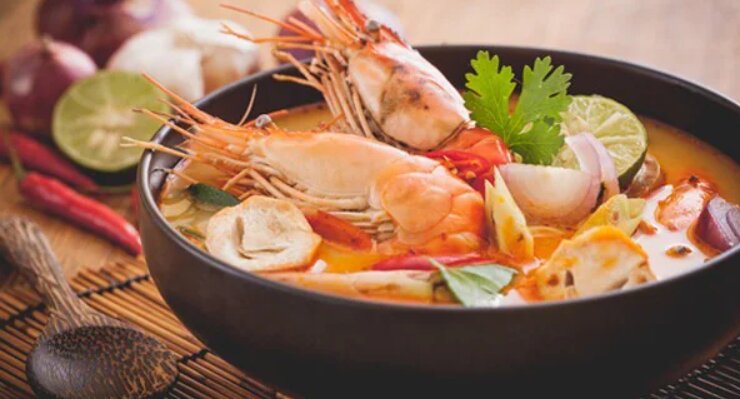
- Laksa’s aromatic broth becomes a concentrated sauce coating fresh pasta.
- Coconut milk, herbs, and spice paste form the base, while seafood remains central to the dish.
These examples demonstrate how fusion focuses on reinterpretation over replacement.
Technique as the Bridge Between Traditions
Fusion cuisine succeeds when technique gives form. Classical training equips chefs with the tools and skills to reinterpret ingredients with control.
In culinary classes, students may encounter situations where a traditional Malaysian ingredient is approached through another culinary technique.
Examples include:
- French Sauce Techniques with Local Ingredients
- A beurre blanc-style sauce may incorporate calamansi or lime leaf, introducing Malaysian citrus notes while maintaining classical emulsification principles.
- Choux Pastry with Regional Flavours
- The French choux dough used for éclairs and cream puffs can be filled with kaya custard or coconut pastry cream, blending pastry technique with familiar Southeast Asian sweetness.
- Modern Plating for Traditional Desserts
- Kuih flavours such as gula melaka and coconut may appear in plated desserts where textures are layered intentionally.
Students learn that fusion becomes convincing only when the core technique remains precise.
Ingredients That Inspire Fusion Cooking
Malaysia’s ingredient landscape naturally invites reinterpretation. Tropical fruits, herbs, and spices introduce distinctive flavours that chefs can apply within different culinary frameworks.
Fusion cuisine classes give room to explore combinations such as:
- Passionfruit Tart with Coconut Elements
- A classic tart shell and pastry cream base are paired with passionfruit curd.
- Toasted coconut or coconut cream mousse adds regional character.
- Chocolate Desserts with Gula Melaka
- The caramel depth of gula melaka complements the chocolate’s bitterness.
- Pastry chefs may incorporate it into ganache or glaze to create layered sweetness.
- Herbal Aromatics in Savoury Dishes
- Lemongrass, kaffir lime leaf, and ginger introduce fragrance to sauces prepared through Western techniques.
These ingredient pairings encourage experimentation while preserving balance.
Creative Discipline in Fusion Cooking
Fusion cuisine sometimes appears spontaneous. In reality, a look of thought and discipline goes into the final product.
Chefs must first understand the structure of both culinary traditions before attempting to combine them. Texture, temperature, and flavour intensity all influence whether a fusion dish feels harmonious.
Culinary classes emphasise:
- Understanding how Malaysian dishes are structured
- Students analyse how flavour layers are built in dishes such as laksa or rendang.
- They look at how aromatics, spices, coconut, and acidity interact so that any reinterpretation still preserves the dish’s identity.
- Applying classical technique to control the result
- Techniques from classical training help stabilise sauces, custards, and pastry components.
- This allows chefs to incorporate ingredients like pandan, gula melaka, or calamansi while maintaining texture and consistency.
- Balancing flavour intensity during reinterpretation
- Fusion dishes must preserve contrast without becoming confusing.
- Students learn how sweetness, spice, richness, and acidity should interact so the finished dish feels intentional instead of overcrowded.
Fusion cooking becomes convincing when the transformation feels natural to the dish itself. With a clear understanding of flavour structure and technique, chefs can reinterpret traditional Malaysian dishes while preserving the character that made them meaningful in the first place.
Innovation Rooted in Tradition
Fusion cuisine becomes meaningful when creativity grows from a clear understanding of tradition. Familiar dishes evolve through careful adjustments in ingredients, technique, and presentation, while the identity of the original dish remains recognisable.
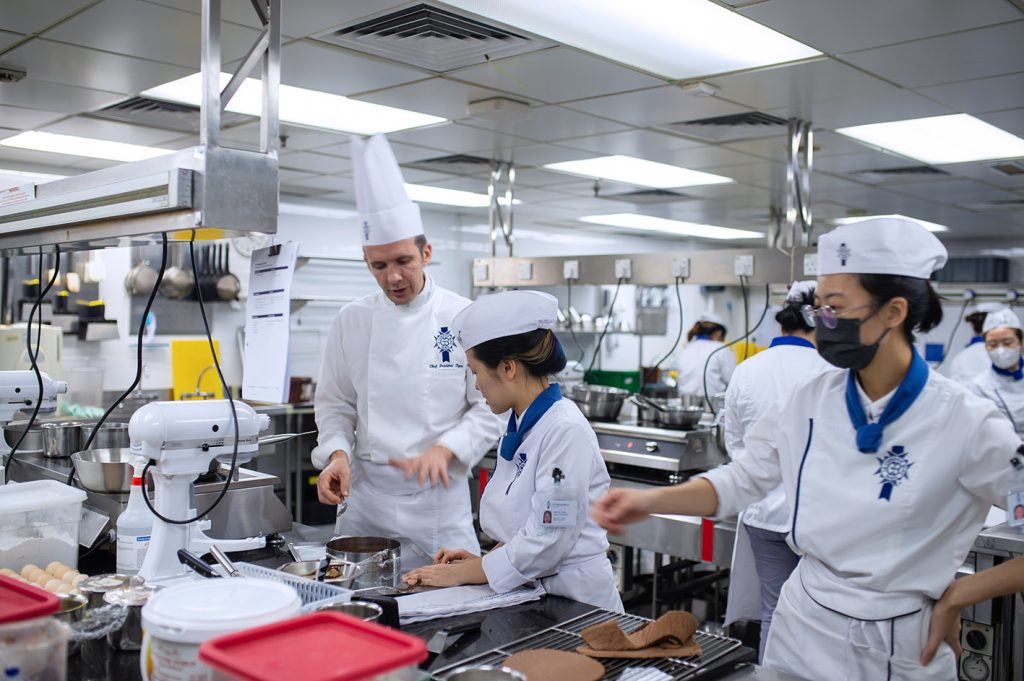
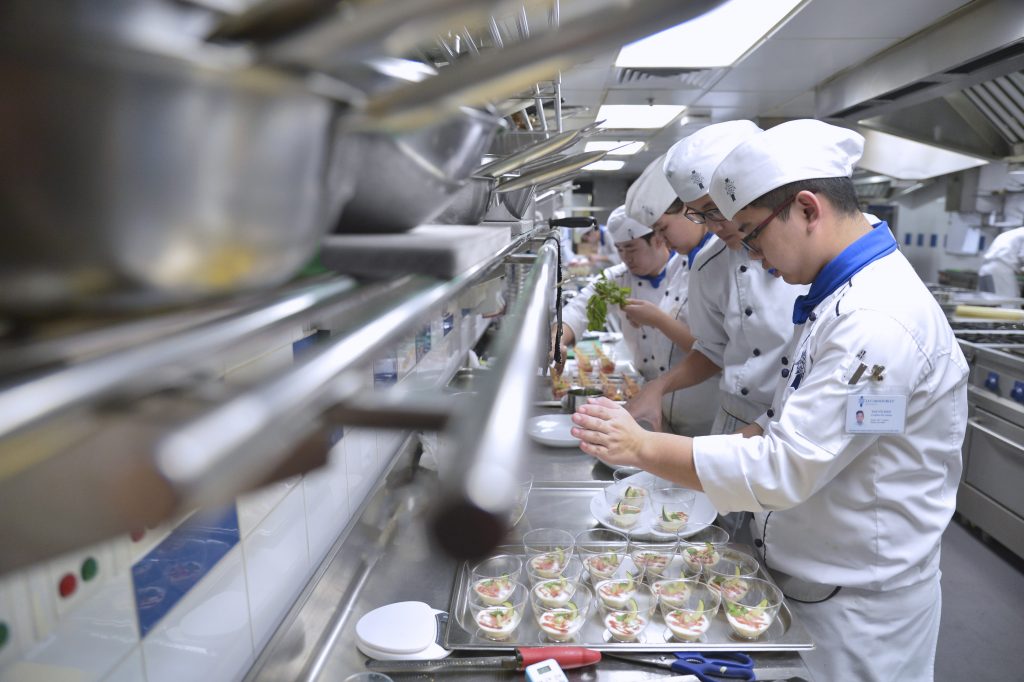
Culinary classes provide a setting where this process becomes visible. Through guided practice, students experiment with flavour combinations, observe how techniques shape texture and structure, and learn how chefs approach reinterpretation with intention.
At institutions such as Le Cordon Bleu Sunway, this approach is woven into culinary training. Classical foundations meet regional ingredients, allowing students to explore Malaysian flavours while applying internationally recognised techniques.
If you are interested in discovering how traditional Malaysian dishes can evolve through culinary technique and creative interpretation, reach out to us today to learn more about our culinary programmes.