For many aspiring chefs, their love for cooking is unquestionable.
The real question is whether that passion can be shaped into a sustainable career.
The transition from home kitchen enthusiasm to structured professional training requires more than practice. It requires an environment designed to build technical control, operational awareness, and recognised credentials.
Culinary arts universities in Malaysia opens to door to that structured pathway. They provide formal education built around skill progression, assessment standards, and industry alignment.
For students who intend to enter professional kitchens with confidence and credibility, understanding what a university-level culinary programme offers becomes an important first step.
Key Takeaways
- Culinary arts universities in Malaysia provide structured, progression-based training designed for long-term career development.
- Formal programmes build technical accuracy, operational awareness, and disciplined kitchen habits.
- University-level culinary education integrates assessment standards that reinforce consistency and accountability.
- Recognised diplomas signal competence and readiness to employers in professional kitchen environments.
- Choosing the right institution requires evaluating curriculum depth, instructor expertise, and industry alignment.
What Defines a Culinary Arts University in Malaysia?
A culinary arts university differs from casual cooking classes or short-term workshops in its structure and scope. It follows a clearly developed curriculum that builds skills progressively while integrating operational knowledge.
Key defining elements include:
- Structured curriculum progression
Learning moves through defined stages. Foundational techniques are introduced early, followed by increasing complexity that challenges precision and consistency.
- Formal assessment and evaluation
Students are assessed on technique, execution, and adherence to standards. This creates accountability and measurable growth.
- Dedicated training facilities
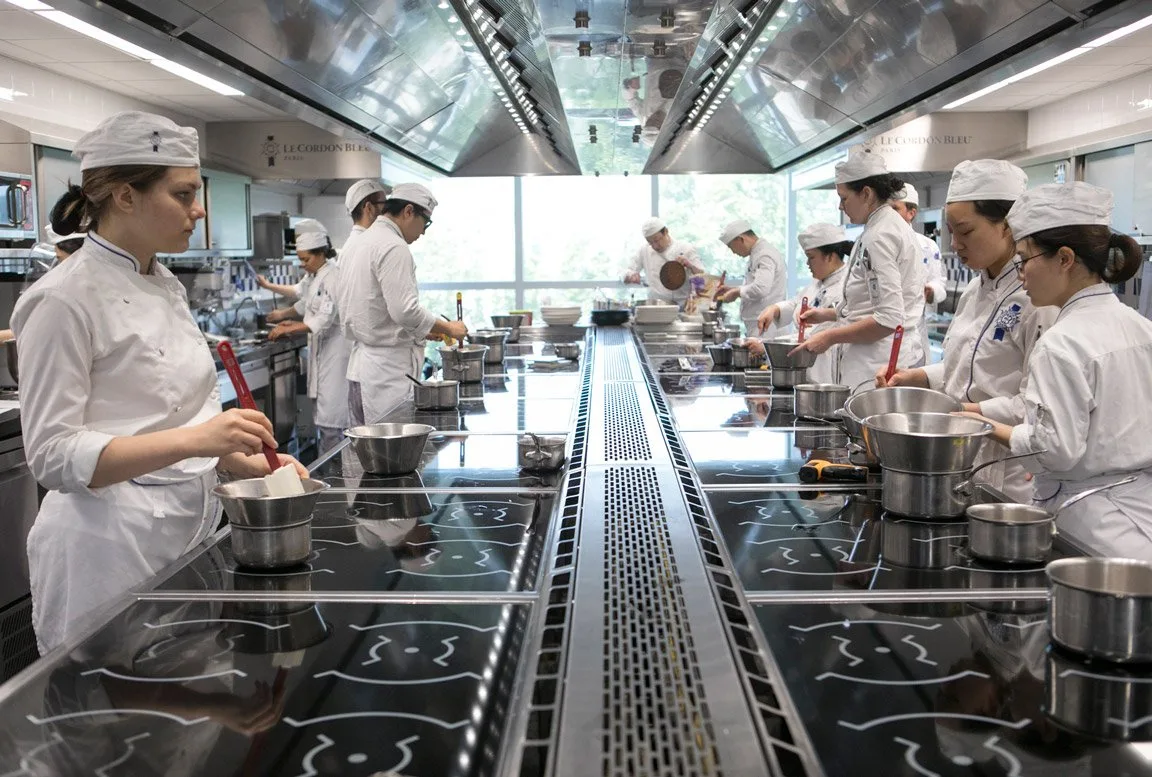
Professional-grade kitchens, specialised equipment, and controlled training environments allow students to practise under realistic conditions.
- Qualified instructors with industry experience
Teaching is guided by chefs who understand commercial kitchen demands and can translate that experience into structured learning.
These elements shape a training environment that mirrors professional expectations while allowing space for personal development.
Why Structured Education Matters in Professional Kitchens
Professional kitchens rely on reliability. Consistency is valued as much as creativity. Structured culinary education nurtures this reliability through repetition, correction, and refinement.
Within a university framework, students develop:
- Technical accuracy
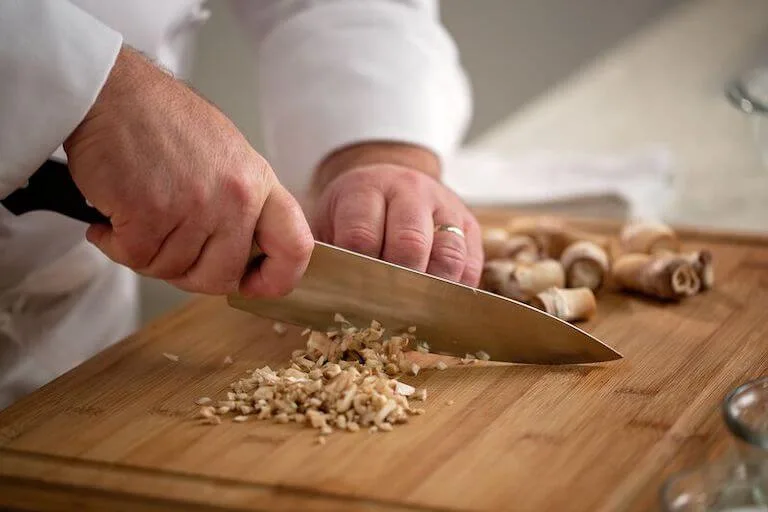
Core techniques are taught with attention to detail. Knife work, heat control, sauce preparation, and baking fundamentals are reinforced until execution becomes natural.
- Understanding of food science principles
Students learn how temperature, timing, and ingredient interaction affect outcomes. This knowledge strengthens problem-solving ability.
- Operational awareness
Training includes workflow sequencing, station management, and hygiene standards that adhere to industry standards.
- Menu and cost awareness
Exposure to ingredient costing and kitchen resource management prepares students for leadership roles later in their careers.
Structured education teaches more than recipes for dishes. It builds a disciplined approach to cooking that supports long-term growth.
Kitchen Discipline and Leadership Foundations
University-level programmes extend beyond hands-on execution. They also cultivate habits and responsibilities that influence team dynamics and future leadership.
Students learn to:
- Manage their station independently
Organisation, cleanliness, and preparation standards become natural routines.
- Communicate clearly within a brigade
Clear instructions and concise responses reduce friction during service.
- Work within hierarchy and timing systems
Understanding how authority functions in a kitchen improves collaboration.
- Take responsibility for output quality
Students are expected to evaluate their own work and make adjustments when necessary.
These behavioural foundations allow graduates to integrate into professional kitchens more smoothly and position themselves for advancement.
Credentials That Open Doors
Formal culinary education culminates in recognised qualifications. In Malaysia, institutions that align with international standards provide credentials that carry weight on the international stage.
A recognised diploma communicates:
- Completion of structured training
- Exposure to industry-aligned assessment
- Competency in foundational and advanced techniques
- Readiness to operate within professional kitchen systems
Employers rely on these signals when assessing new candidates. A qualification from a reputable culinary institution reduces uncertainty and clarifies capability.
How to Choose the Right Culinary Arts University in Malaysia
Deciding on a culinary arts university requires careful evaluation. Students should consider how well a programme aligns with their long-term goals.
Important factors include:
- Depth of curriculum
The programme should outline skill progression clearly and demonstrate how learning builds over time.
- Instructor expertise
Faculty should bring both teaching discipline and real-world kitchen experience.
- Industry exposure opportunities
Placements, internships, or structured industry engagement strengthen practical readiness.
- International recognition
Qualifications that are understood beyond Malaysia support career mobility.
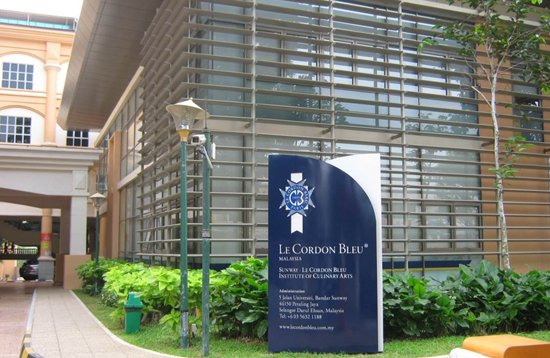
Institutions such as Le Cordon Bleu Sunway reflect these characteristics by delivering internationally aligned culinary education within Malaysia. Our programmes combine classical foundations with structured assessment and industry relevance, offering students a credible pathway into professional kitchens.
Building a Foundation That Carries Forward
Culinary arts universities in Malaysia provide more than cooking instruction. They offer structured progression, disciplined training, and recognised credentials that support entry into professional kitchens with confidence.
For aspiring chefs who seek long-term growth rather than short-term experience, formal culinary education creates a stable foundation. It strengthens technical skills, builds operational awareness, and signals readiness to employers.
If you are considering a structured path into the culinary field, reach out to Le Cordon Bleu Sunway to explore how our programmes can support your professional journey.