Malaysia has quietly become a serious training ground for chefs with international ambitions. Beyond its reputation for rich local flavours, the country offers daily exposure to diverse cooking styles, service expectations, and kitchen cultures that reflect how modern global kitchens actually operate.
Within this environment, culinary academies play a central role. They provide structure to instinctive talent, translate experience into technique, and shape habits that travel well across borders. Training here is not limited to learning dishes. It focuses on timing, organisation, communication, and consistency, all essential skills for chefs who plan to work beyond one country or cuisine.
This article looks inside Malaysia’s culinary academies to examine the skills that support global career pathways. It explores how local training, international standards, and real kitchen discipline come together to prepare graduates for opportunities across regions and professional settings.
Key Takeaways
- Malaysia offers a training environment shaped by daily exposure to diverse cuisines and service styles.
- Culinary academies focus on skills that remain applicable across kitchens and regions.
- Structured programmes help translate instinctive cooking into consistent execution.
- Global standards can be taught effectively within a local training context.
- The right academy supports both technical development and teamwork in the kitchen, no matter the location.
Malaysia as a Training Ground for Global Kitchens
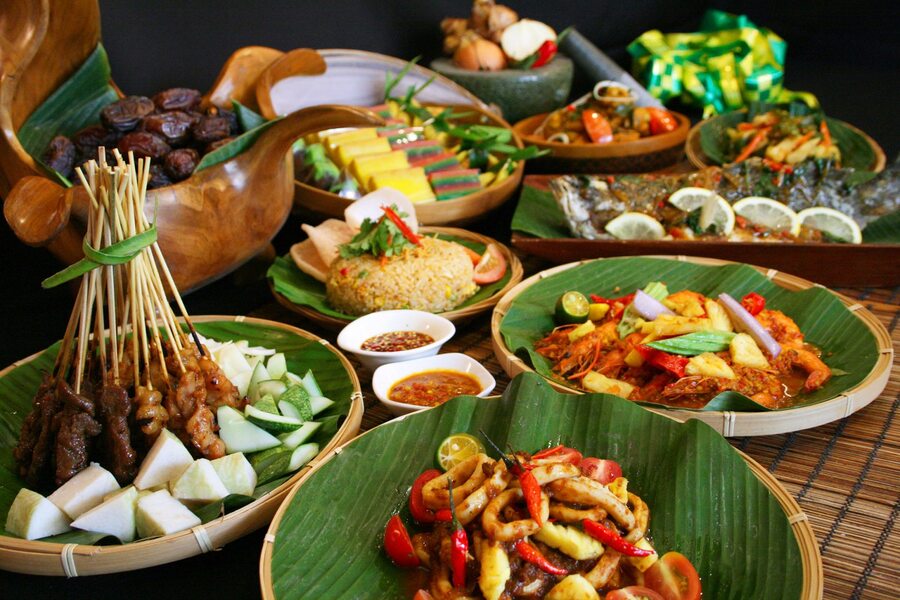
Malaysia offers a culinary environment intertwined with a multitude of traditions and cultures. For aspiring chefs, this creates a learning context that feels lived-in rather than simulated.
Several factors make Malaysia a strong foundation for chefs aiming beyond local kitchens:
- Everyday exposure to multiple cuisines
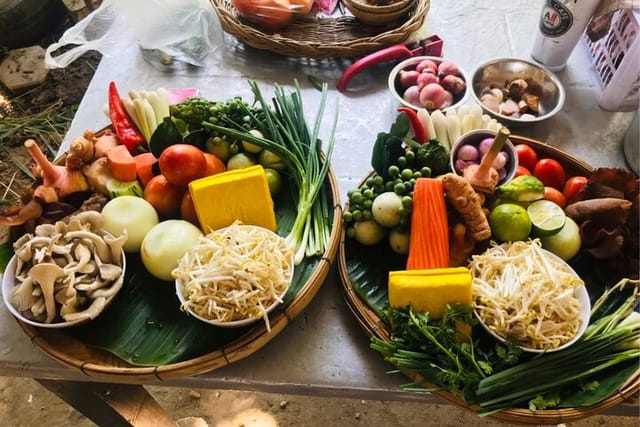
Malay, Chinese, Indian, Western, and regional Asian cooking styles coexist in close proximity. Students encounter different flavour structures, cooking methods, and service formats as part of daily life, which sharpens palate awareness and adaptability early on.
- Ingredients used in real conditions
Markets and suppliers offer herbs, spices, seafood, and produce that are actively used across cuisines. Learning how ingredients behave during the cooking process happens through repetition and context in addition to theory.
- A service culture shaped by diversity
From street-side stalls to hotel kitchens, food service in Malaysia operates across many formats. This exposes students to different styles and standards that mirror the variety found in international kitchen environments.
- A working pace that builds resilience
Busy food scenes demand timing, organisation, and communication. These habits form naturally when students train in a setting where food is central to daily life and not limited to classroom hours.
This combination of diversity and accessibility helps students build instincts that translate well across borders. When formal training is layered onto this foundation, Malaysia becomes more than a place to learn cooking. It becomes a place to develop skills that remain relevant in kitchens around the world.
Skills Culinary Academies Teach Beyond Cooking
Strong cooking ability forms the base of any culinary career. Culinary academies build on this foundation by shaping how students think and function inside a working kitchen. The goal is to develop habits that remain effective across different cuisines, teams, and service settings.
Training focuses on skills that support daily kitchen reality:
- Understanding workflow
Students learn how everything from preparation to clean-down connects. This builds awareness of how individual actions affect the wider kitchen and why sequencing matters during busy periods.
- Managing time under real conditions
Exercises are designed around defined time frames. Students practise adjusting their pace while maintaining control, which helps them stay composed when service pressure increases.
- Clear kitchen communication
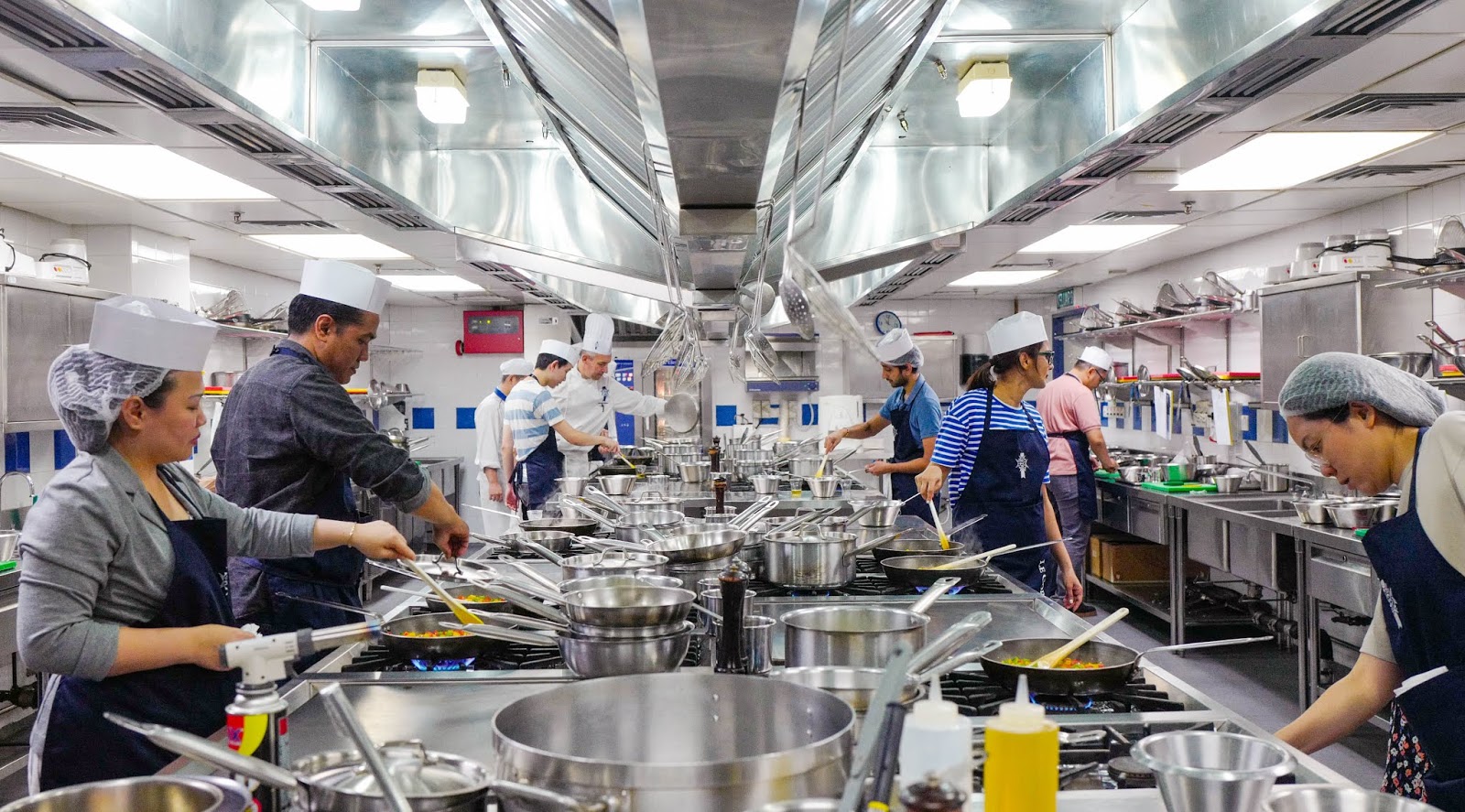
Verbal cues, spatial awareness, and coordinated movement are reinforced throughout training. These habits support smoother collaboration, especially in kitchens where teams come from different cultural backgrounds.
- Consistency through repeatable methods
Emphasis is placed on process. Measuring, testing, and refining techniques become routine, allowing results to remain dependable across different days and menus.
- Personal responsibility at the station
Students are trained to manage hygiene, organisation, and output independently. This builds accountability and trust, qualities that kitchens rely on once graduates enter full-time roles.
Together, these skills shape cooks who contribute steadily within a team and maintain control over their own work. They also support smoother transitions into new kitchens where working styles may differ.
How Global Standards Are Taught Within Local Academies
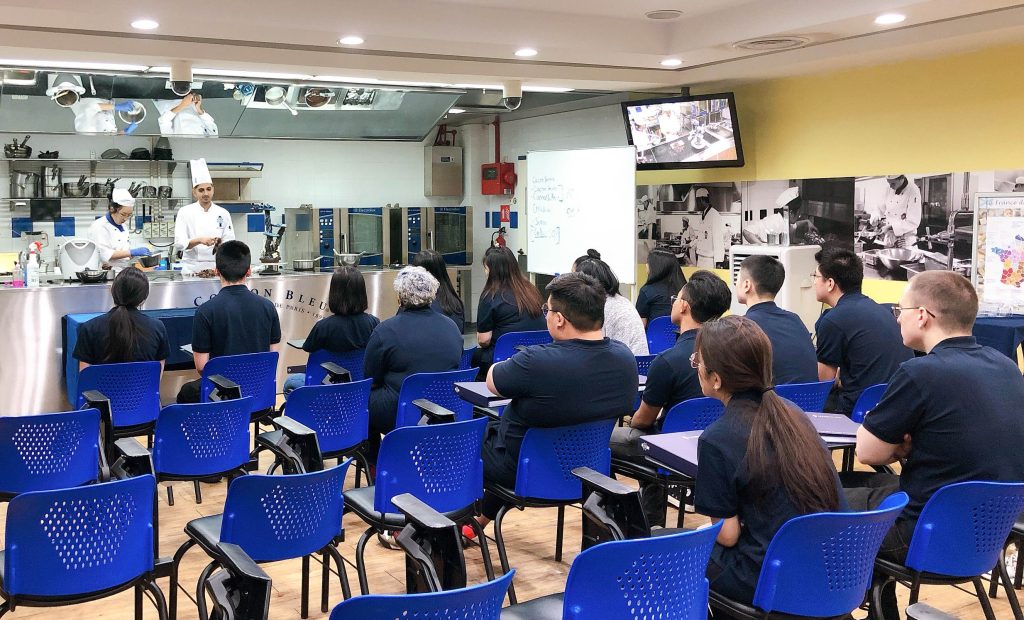
Alongside exposure, global kitchen standards are taught through structure, repetition, and a shared framework that shapes how work is approached every day. Culinary academies in Malaysia apply internationally recognised methods within local training environments, allowing students to internalise expectations that extend beyond any single cuisine or country.
This alignment begins with how programmes are designed:
- Standardised techniques with local application
Core methods are taught according to established international benchmarks. Students then apply these techniques using local ingredients and familiar flavour profiles, which strengthens understanding and flexibility.
- Clear progression across skill levels
Learning is organised into defined stages. Each stage builds on the last, allowing students to refine control and confidence as complexity increases.
- Assessment grounded in method and outcome
Evaluation focuses on execution and consistency. Students are assessed on how they work as much as what they produce, reinforcing habits that translate well into professional kitchens.
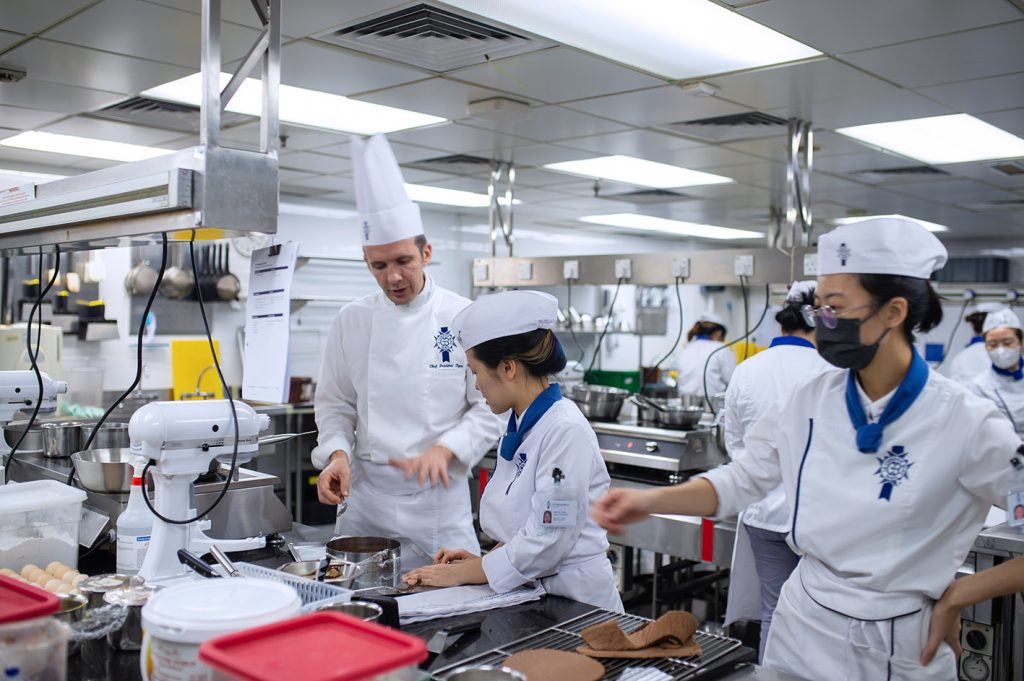
Training environments also play a role. Kitchens are set up to reflect real working conditions, including equipment standards and service expectations. This helps students adjust to professional settings without needing to relearn basic systems later.
Over time, global standards stop feeling abstract. They become part of daily practice, shaping how students plan, execute, and evaluate their work. This grounding allows graduates to step into kitchens abroad with a clear understanding of what is expected and how to meet those expectations from day one.
Preparing for International Careers from Day One
Global careers are shaped well before a graduate steps into their first overseas kitchen. Culinary academies that prepare students well do so by aligning training with real workplace expectations and professional behaviour from the outset.
Preparation begins with mindset. Students are taught to approach training with the same seriousness expected in working kitchens. Attendance, readiness, and attention to detail are treated as part of skill development.
Several elements support this international readiness:
- Exposure to professional kitchen routines
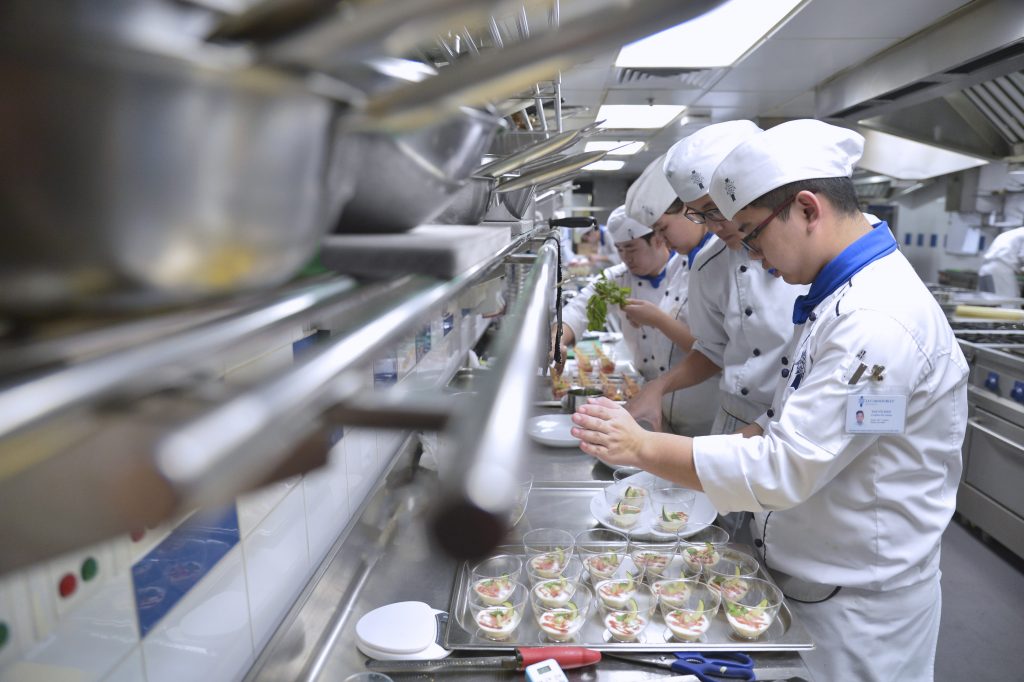
Training follows structured schedules that mirror service cycles. Students learn how preparation feeds into execution, and how small delays or lapses affect the wider team.
- Understanding expectations across cultures
Instructors emphasise clarity, respect, and adaptability. These qualities help students integrate more easily into kitchens where teams operate across languages and backgrounds.
- Familiarity with recognised credentials
Graduates leave with qualifications that hold up to international standards. This recognition helps employers assess capability quickly and gives graduates confidence when pursuing opportunities abroad.
- Early awareness of career pathways
Students are encouraged to understand how different roles function within a kitchen. This awareness helps them make informed decisions as they progress and seek placements or entry-level positions.
International readiness is built through daily habits and mindful preparation. By embedding expectations early, culinary academies help students step into new environments with confidence and a clear sense of professional direction.
Choosing a Culinary Academy with Global Ambitions in Mind
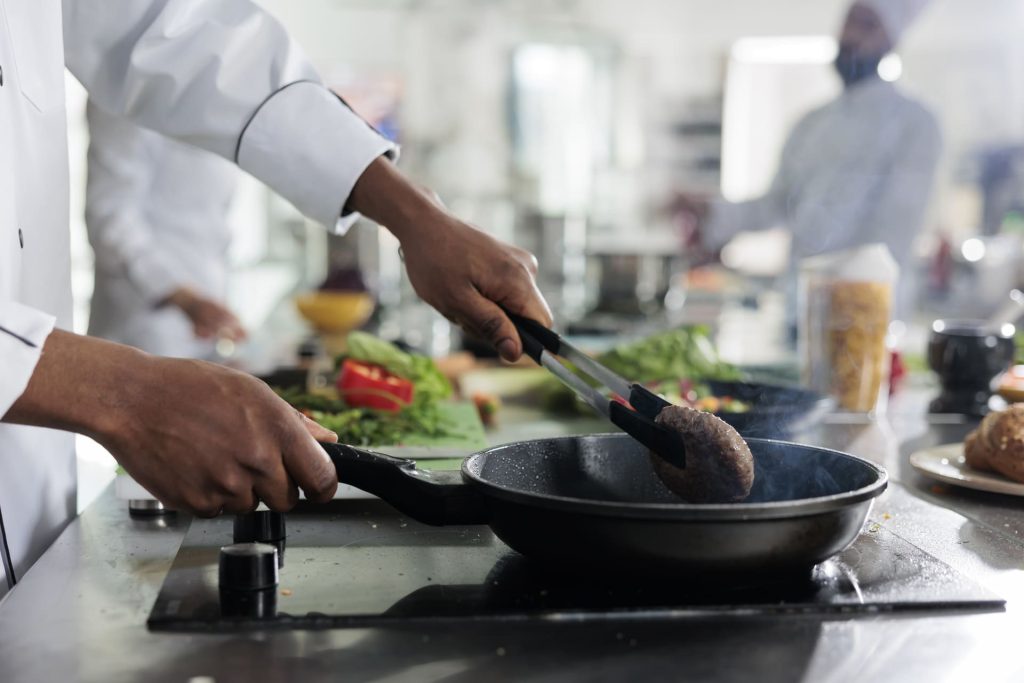
For students with international goals, selecting a culinary academy is less about location and more about alignment. The right environment supports long-term development as careers evolve.
Several considerations help clarify whether an academy supports global ambitions:
- Alignment with international standards
Programmes should follow recognised frameworks that shape technique and assessment. This helps ensure training carries consistent meaning across regions and kitchen cultures.
- Structure that supports progression
Clear learning stages allow students to understand how skills build over time. This structure supports confidence and steady development throughout training.
- Instructor experience and teaching depth
Strong instructors bring more than technical knowledge. They translate industry experience into clear guidance, correct habits early, and help students understand expectations beyond the classroom.
- Teaching that reflects working kitchens
Instruction connects technical execution with how chefs work alongside others during service.
- Recognition that travels
Qualifications should be understood beyond local contexts. Recognition supports mobility and helps graduates communicate their training clearly to future employers.
Choosing an academy with these elements in place allows students to focus on learning without second-guessing their preparation. When training is supported by experienced instructors and aligned systems, graduates are better positioned to take opportunities wherever their careers lead.
Building Global Careers from a Malaysian Foundation
Malaysia’s culinary academies have earned their place as credible starting points for global careers because they combine lived food culture with structured training. Skills are shaped through repetition, discipline, and clear standards, allowing graduates to step into different kitchen environments confidently.
Institutions such as Le Cordon Bleu Sunway reflect this approach by delivering internationally aligned programmes within a local context. The result is training that supports mobility, consistency, and long-term growth for those serious about building careers beyond borders.
If you’re thinking about where your culinary journey could lead next, don’t hesitate to reach out to us to learn more. We’d be happy to talk through how training in Malaysia can support your goals and direction.