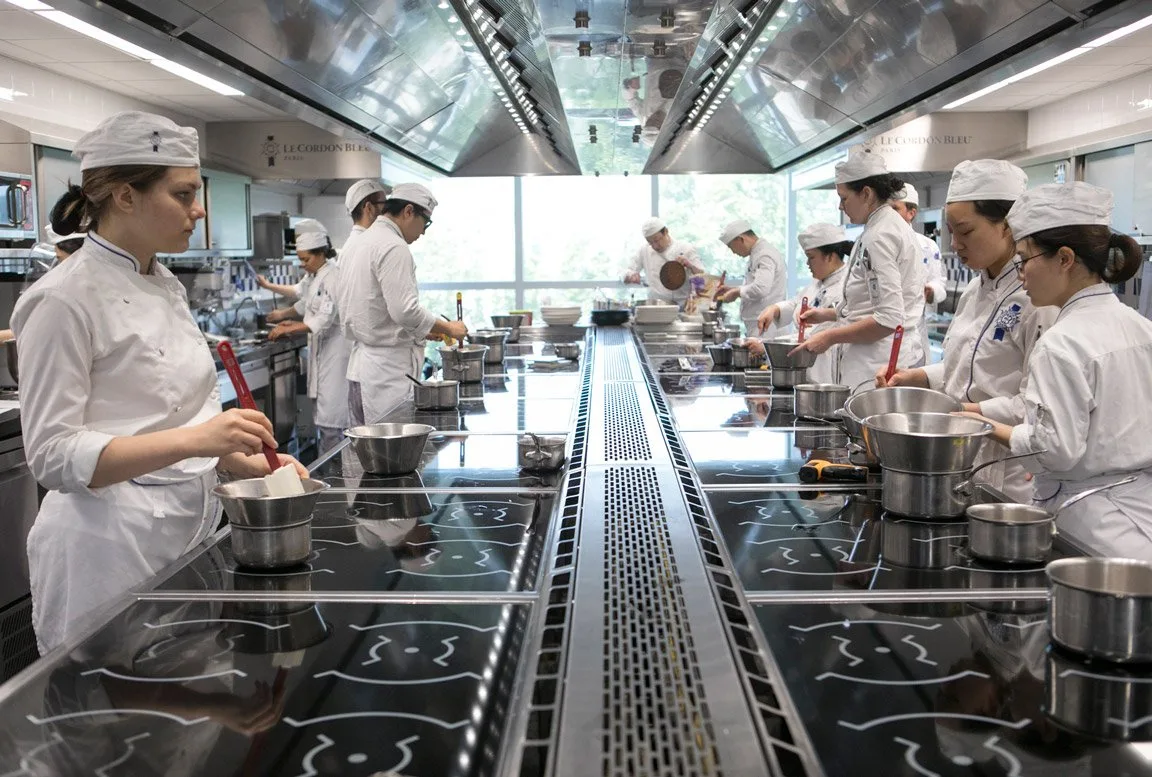

Malaysia’s relationship with food is instinctive rather than academic.
Cooking here begins long before any formal training. It is something most grow up with, shaped by family kitchens, street stalls, wet markets, and cultural traditions passed down through generations.
Yet, as the food industry evolves to cater to a global stage, passion alone is no longer enough. Technique, consistency, and structure now matter just as much as flavour for anyone serious about making cooking their profession.
This is what makes cooking classes in Malaysia more layered and meaningful than they first appear.
Learning to cook professionally does not mean abandoning local identity in favour of foreign techniques. Instead, it is about understanding how local flavours can be refined and expressed through globally recognised culinary methods.
Why Malaysia Is a Natural Home for Culinary Learning
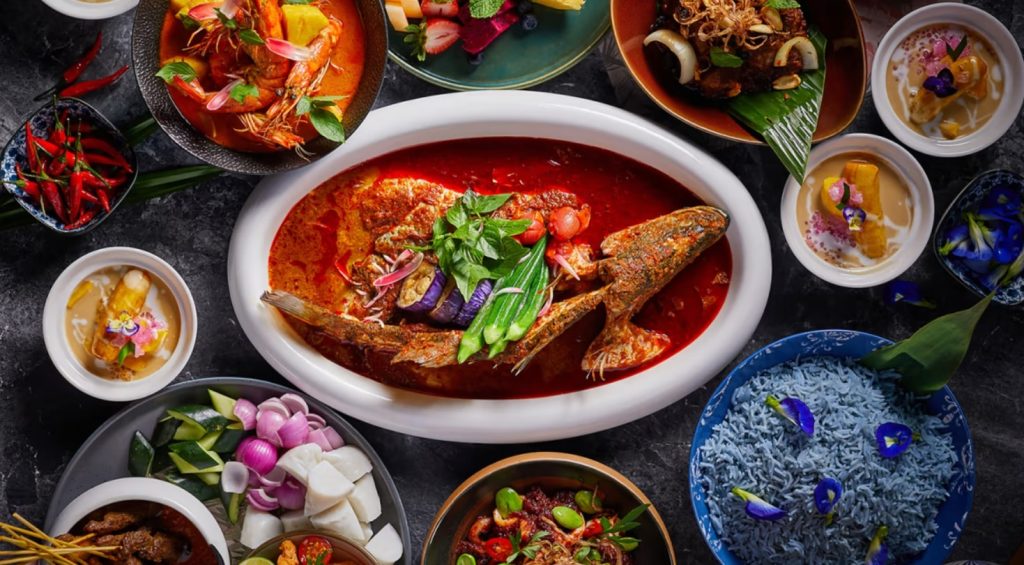
Few countries offer the same level of everyday exposure to diverse cooking styles as Malaysia. Within the same neighbourhood, you can find Malay slow-cooked dishes, Chinese stir-frying methods, Indian spice layering, Western baking techniques, and the list goes on.
For students, this is like hitting the jackpot. The environment naturally trains the palate and mind simultaneously, building a strong foundation that many learners in more homogenous food cultures only encounter much later.
This diversity matters because cooking is as much a sensory discipline as it is a technical skill. Locals learn early how aroma, texture, and balance work across cuisines. They develop an intuitive understanding of flavour relationships before they ever step into a professional kitchen, which becomes invaluable once formal training starts.
Equally important is access to ingredients. Malaysian markets offer fresh herbs, roots, spices, seafood, and produce that are actively used in daily cooking. This allows students to learn ingredient behaviour in real conditions instead of through theory alone. Over time, this builds adaptability, an essential trait for any modern chef working in dynamic kitchen environments.
More Than Meets the Eye: Behind the Scenes of Local Flavours
Many local dishes are often labelled as simple or rustic. But did you know that most of them demand a high level of technical awareness and precision?
For instance:
- A successful rendang requires careful control of heat for hours.
- Sambal depends on timing, texture, and oil separation.
- Curry bases rely on spice preparation and layering rather than raw intensity.
Formal culinary education reframes these dishes through a technical lens. Students move beyond imitation and begin to understand structure. They learn why a step exists, what happens if it is skipped, and how the right process shapes the desired outcome.
Through refinement, students gradually stop relying on memory and start relying on skill. This is the point where local cuisine becomes a foundation rather than a limitation. Once techniques are mastered, the same principles apply whether cooking Malaysian classics or international dishes.
Can You Learn Global Techniques Without Leaving Malaysia?
As dining standards rise, global culinary skills have become a practical necessity in any eatery. They form the backbone of modern kitchens, even those serving local cuisine. By learning these methods locally, students can contextualise them instead of treating them as distant traditions.
Students are introduced to classical foundations that underpin modern professional kitchens. These techniques foster consistency, efficiency, and repeatability — qualities that matter in real service environments.
Core culinary principles and skills typically include:
- Classical sauce foundations that teach structure, balance, and flavour development.
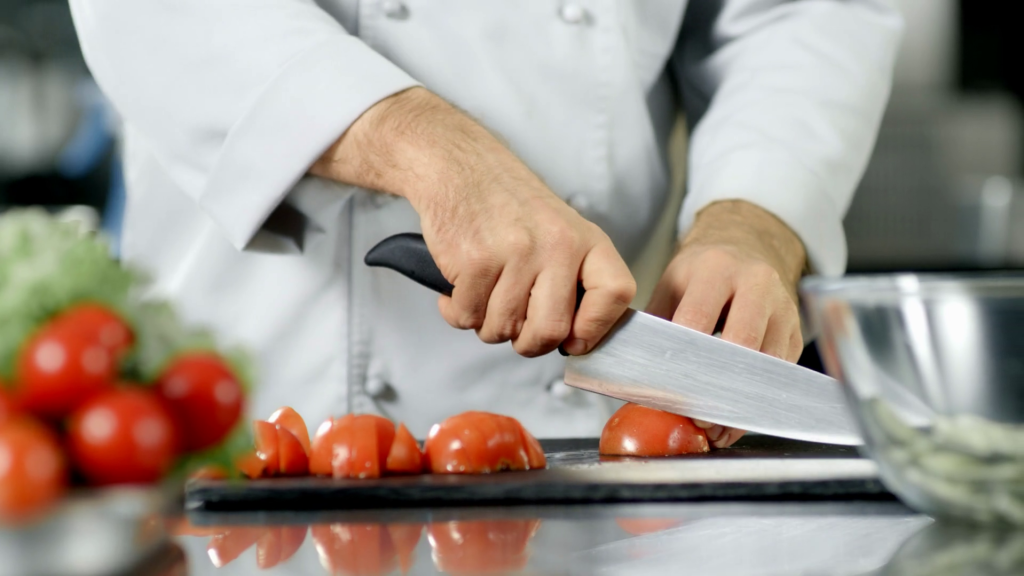
- Knife skills and ingredient preparation focused on precision, speed, and consistency.
- Controlled cooking methods that prioritise timing, temperature, and texture.
- Plating and presentation principles that enhance aesthetics without compromising portioning.
- Kitchen organisation and workflow discipline that facilitates efficiency during service.
When practised mindfully, these techniques are not detached from local food culture. They are adapted and applied in ways that respect regional tastes and ingredients.
Malaysia is home to Le Cordon Bleu Sunway, where international culinary frameworks are taught alongside an appreciation of regional ingredients and dining habits. This helps students bridge cultures naturally, preparing them for professional kitchens that operate to global standards while remaining grounded in an Asian context.
So yes, you can learn global techniques without leaving the country.
How to Know If You Should Pursue a Professional Culinary Education in Malaysia
Today, an education in culinary arts serves a broader audience than many people assume. Not every student enters with the intention of becoming a restaurant chef. Many simply want clarity, discipline, and direction.
While not everyone starts with the same end goal, they do share the desire to move beyond casual cooking into something more intentional and refined.
You may be well-suited for professional culinary education if you recognise yourself in one or more of the following groups:
- Career switchers who want a structured and credible pathway into food-related industries
- Hospitality professionals, such as kitchen staff, café owners, or F&B managers, who want to gain a better understanding of food service to support consistency and leadership in the kitchen
- Passionate home cooks who feel limited by self-taught methods and want to tackle the next level
- Students seeking international exposure who want globally recognised culinary foundations while training in a familiar regional environment
- Aspiring food entrepreneurs who want to understand technique, workflow, and standards before launching a concept or business
When you frame culinary education around intention instead of job titles, it becomes a practical investment rather than an idealistic one. The value lies in developing core skills, the right mindset, and confidence that remains relevant no matter where you choose to apply them, be it in the back of house, building a food brand, or simply cooking at a much higher level than before.
What Do Modern Culinary Classes Actually Teach?

Contemporary culinary training focuses on mindset as much as skill. Students are trained to think and operate like true professionals.
From the beginning, learners are exposed to how a professional kitchen can function as a unified system under pressure. You’ll gain insights into how time constraints, teamwork, and preparation affect outcomes, and why consistency matters as much as creativity. This helps bridge the gap between classroom learning and real service environments.
In addition to perfecting individual dishes, students are trained in core operational skills that support quality and reliability, including:
- Kitchen workflow and time management
- Hygiene standards and food safety discipline
- Ingredient evaluation and sourcing awareness
- Problem-solving during service
These elements shape reliable cooks who can adapt, communicate, and maintain standards consistently.
These elements are developed through active trial and error with expert guidance from certified culinary instructors. Over time, students gain confidence not just in cooking, but someone who can communicate clearly and respond calmly in fast-paced kitchen settings while maintaining quality.
Tips on Choosing the Right Culinary Path in Malaysia
With many programmes available, selecting the right one requires more than comparing duration or certificates. The real value lies in how skills are developed and reinforced over time.
A well-structured cooking course emphasises hands-on training, experienced instructors, and practical kitchen environments that mirror real service conditions.
Here are some prominent courses offered by Le Cordon Bleu Sunway to help you assess which might suit your goals:
Diplôme de Cuisine
A foundational professional chef programme covering classical and contemporary culinary techniques.
Students develop core skills such as knife work, stocks and sauces, cooking methods, kitchen organisation, and presentation in hands-on sessions guided by experienced chef instructors.
Diplôme de Pâtisserie
A comprehensive pastry and baking qualification that includes basic, intermediate, and superior certificates, with the option for industry placement.
This course focuses on refined baking techniques, dessert production, and plated patisserie artistry.
Diplôme de Boulangerie
A professional bread-baking programme that teaches both foundational and advanced techniques in bakery production, including viennoiserie and artisan breads.
Industry placement gives real-world experience that supports careers in bakery or artisanal bread houses.
Grand Diplôme
This dual qualification combines both the cuisine and pastry/bakery diplomas into one.
Graduates gain a globally recognised credential that opens doors to broader professional roles in both kitchen and pastry disciplines.
Diploma in Plant-Based Culinary Arts
A specialised course for learners who want expertise in plant-based cuisine and patisserie.
Students explore contemporary plant-forward cooking techniques, alternative proteins, flavour development, and modern plating, alongside plant-based pastry, bakery, and dessert production.
Short Courses &
Gourmet Workshops
For those not ready for long programmes, short-term courses and workshops provide immersive experiences in specific areas such as baking or gourmet cooking.
These are ideal for hobbyists, food enthusiasts, or professionals seeking targeted skills.
Choosing a culinary programme ultimately comes down to your goals for cooking. Whether you want professional credibility, deeper technical mastery, or a structured way to grow beyond self-learning, the right course should challenge you while supporting steady progression.
Le Cordon Bleu’s cooking classes in Malaysia are designed to help learners build confidence through technique, discipline, and real kitchen exposure, so skills developed in class remain relevant long after the course ends.
Cooking as a Global Language
Cooking is one of the few crafts that transcends borders. When a cook understands both local flavours and global techniques, food becomes a shared language that works in any kitchen, anywhere.
Malaysia opens doors to a unique setting where this fluency develops naturally through everyday exposure to diverse cuisines and professional standards.
Ready to take the next step in your culinary journey? Explore our culinary programmes offered at Le Cordon Bleu Sunway today.