
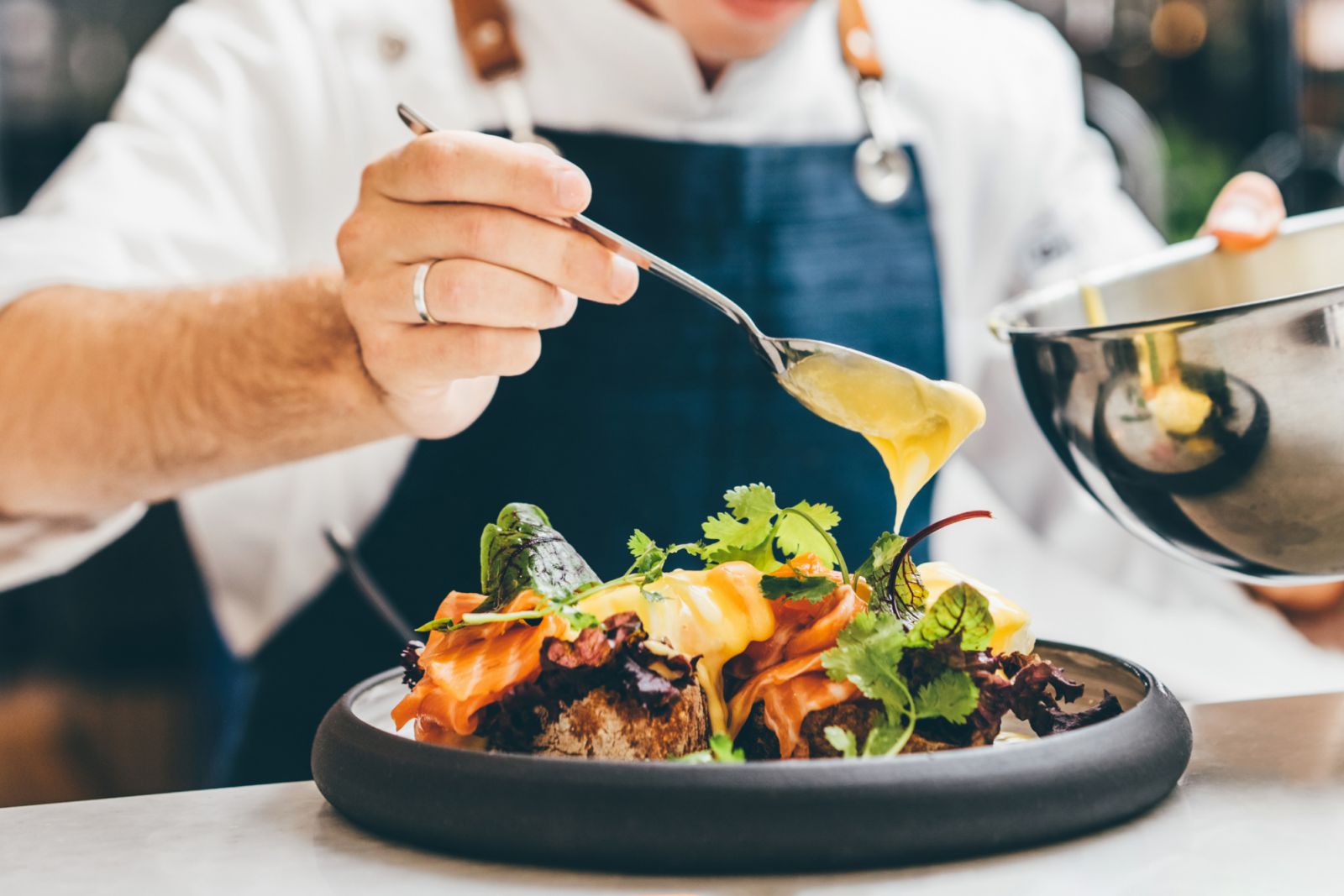
Plant-based cuisine has evolved far beyond simple salads and vegetarian substitutes. In recent years, modern chefs have transformed plant-based fine dining into a sophisticated culinary category focused on technique, flavour layering, sustainability, and elevated presentation.
Today’s plant-based fine dining experiences combine classical culinary training with innovative ingredient usage, allowing chefs to create dishes that deliver complexity, texture, and depth without relying heavily on animal-based products.
As diners become more conscious about health, sustainability, and ingredient quality, plant-based gourmet cuisine continues to gain recognition within the global culinary industry.
Key Takeaways
- Plant-based fine dining focuses on technique, flavour complexity, and presentation
- Modern chefs use advanced culinary methods to elevate vegetables and plant ingredients
- Sustainability and ingredient sourcing play a major role in modern menus
- Plant-based cuisine is increasingly popular in high-end restaurants worldwide
- Fine dining plant-based meals are designed around experience, not just dietary preference
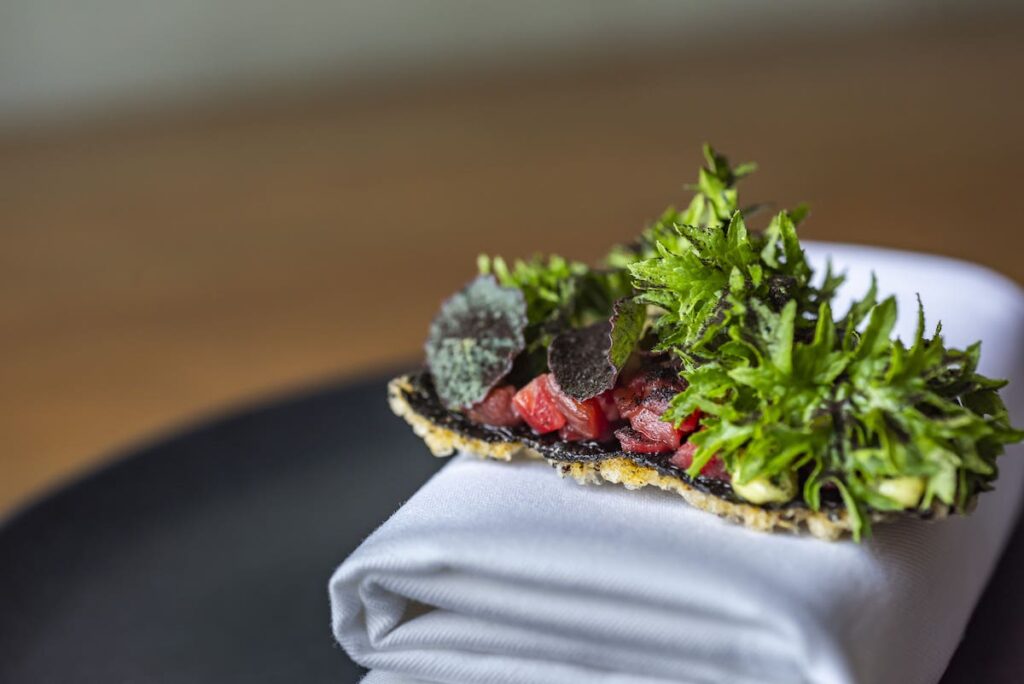
The Evolution of Plant-Based Cuisine
Plant-based dining was once associated mainly with restrictive dietary choices or simple vegetarian meals.
Today, the industry has shifted toward:
- Culinary creativity
- Premium ingredients
- Advanced cooking techniques
- Sophisticated flavour construction
Modern plant-based fine dining now competes directly with traditional gourmet experiences in terms of complexity and presentation.
Why Fine Dining Chefs Are Embracing Plant-Based Menus
Several factors have contributed to the rise of plant-based fine dining.
Changing Consumer Preferences
Many diners are becoming more interested in:
- Health-conscious eating
- Sustainability
- Ethical sourcing
- Ingredient transparency
This has encouraged chefs to rethink how vegetables and plant ingredients are used in gourmet cuisine.
Greater Ingredient Appreciation
Modern chefs increasingly focus on highlighting:
- Seasonal produce
- Natural flavours
- Ingredient purity
- Regional sourcing
Rather than treating vegetables as side dishes, many menus now position them as the centrepiece.
Sustainability and Environmental Awareness
Plant-based cuisine is often associated with reduced environmental impact compared to heavily meat-focused dining models.
This aligns with growing industry attention toward:
- Sustainable sourcing
- Waste reduction
- Responsible ingredient usage
- Farm-to-table concepts
How Modern Chefs Elevate Plant-Based Dishes
Plant-based fine dining relies heavily on culinary technique and creativity.
Advanced Cooking Techniques
Chefs use methods such as:
- Fermentation
- Smoking
- Slow roasting
- Dehydration
- Sous vide preparation
- Charcoal grilling
These techniques help develop:
- Depth of flavour
- Texture contrast
- Aromatic complexity
Layering Flavours and Textures
Modern plant-based dishes often combine:
- Sweetness
- Umami
- Acidity
- Bitterness
- Crunch and softness
This creates a more refined and balanced dining experience.
Ingredient Pairing and Innovation
Chefs experiment with ingredients such as:
- Mushrooms
- Legumes
- Nuts and seeds
- Seaweed
- Root vegetables
- Plant-based emulsions and reductions
The goal is to create dishes with richness and structure comparable to traditional gourmet cuisine.
Presentation in Plant-Based Fine Dining
Presentation remains a major part of the fine dining experience.
Modern plant-based plating often emphasises:
- Precision
- Minimalism
- Colour contrast
- Natural aesthetics
- Seasonal visual themes
The visual experience is designed to match the sophistication of the flavours.
Plant-Based Tasting Menus
Many fine dining restaurants now offer dedicated plant-based tasting menus.
These multi-course experiences allow chefs to showcase:
- Ingredient versatility
- Technical skill
- Seasonal storytelling
- Progressive flavour development
The focus is on the overall culinary journey rather than simply replacing meat.
The Role of Culinary Education
Professional culinary training has also evolved to include more plant-focused techniques.
Modern culinary education increasingly covers:
- Sustainable cooking
- Vegetable-forward menu design
- Plant-based innovation
- Contemporary dietary trends
This has influenced how younger chefs approach modern gastronomy.
Challenges in Plant-Based Fine Dining
Despite its growth, plant-based fine dining presents unique challenges.
Achieving Depth Without Traditional Proteins
Chefs must carefully build flavour using:
- Fermentation
- Stocks and reductions
- Herbs and aromatics
- Cooking techniques
Without proper balance, dishes may feel flat or incomplete.
Ingredient Seasonality
Plant-based menus rely heavily on fresh produce availability, making seasonality a major consideration for consistency and creativity.
Misconceptions About Plant-Based Cuisine
Some diners still associate plant-based meals with:
- Limited variety
- Lack of satisfaction
- Simplistic preparation
Modern fine dining chefs work to challenge these assumptions through innovation and execution.
Plant-Based Cuisine Beyond Vegetarian Diners
Plant-based fine dining is no longer limited to vegetarians or vegans.
Many diners choose these experiences because of:
- Culinary curiosity
- Ingredient appreciation
- Sustainability interests
- Desire for lighter yet refined meals
The focus is increasingly experiential rather than dietary alone.
Global Influence on Plant-Based Fine Dining
Plant-based cuisine draws inspiration from many culinary traditions worldwide.
Influences include:
- Japanese vegetable preparation techniques
- Mediterranean ingredient-focused cooking
- Southeast Asian herb and spice combinations
- Nordic seasonal dining philosophies
This diversity contributes to the creativity seen in modern plant-based gastronomy.
The Future of Plant-Based Fine Dining
The industry continues evolving through:
- Ingredient innovation
- Sustainable sourcing methods
- Culinary technology
- Regenerative agriculture concepts
Plant-based cuisine is increasingly becoming part of mainstream fine dining rather than a niche category.
Final Thoughts
Plant-based fine dining has transformed into a sophisticated culinary movement driven by innovation, sustainability, and advanced culinary craftsmanship. Modern chefs are redefining gourmet cuisine by elevating vegetables, legumes, herbs, and plant ingredients into highly refined dining experiences built around flavour complexity, texture, and presentation.
As consumer preferences continue shifting toward sustainability and ingredient-conscious dining, plant-based cuisine is expected to remain an important and evolving part of the global fine dining landscape.