Every aspiring chef eventually faces the same question. Do you learn by enrolling in a structured programme, or by working your way up in
a real kitchen?
The culinary school vs apprenticeship debate does not have a single right answer, because it depends on how you learn, what kind of career you want and how quickly you need to build a broad foundation.
This article breaks down what each path actually involves, so you can weigh them against your own goals rather than someone else’s opinion.
Key Takeaways
- Culinary school offers structured, sequenced training across cuisines, techniques and kitchen fundamentals, while apprenticeships teach through direct, on-the-job experience.
- Formal culinary education can carry more weight in hotels, international kitchens and corporate hospitality settings, though hands-on experience remains valuable everywhere.
- Apprenticeships immerse you in real service pressure early, but training quality depends heavily on the kitchen and mentor you land with.
- Many successful chefs combine both, using structured education as a foundation before or alongside real kitchen work.
The Question Every Aspiring Chef Asks
If you have spent any time researching how to become a chef, you have probably seen strong opinions on both sides.
Some chefs swear by learning entirely on the job, insisting that real kitchens teach lessons no classroom can replicate. Others point to the consistency, depth and credibility that a structured culinary education provides.
Both groups are partly right, which is exactly why this decision deserves more thought than picking whichever path sounds faster or easier.
What Culinary School Actually Teaches You
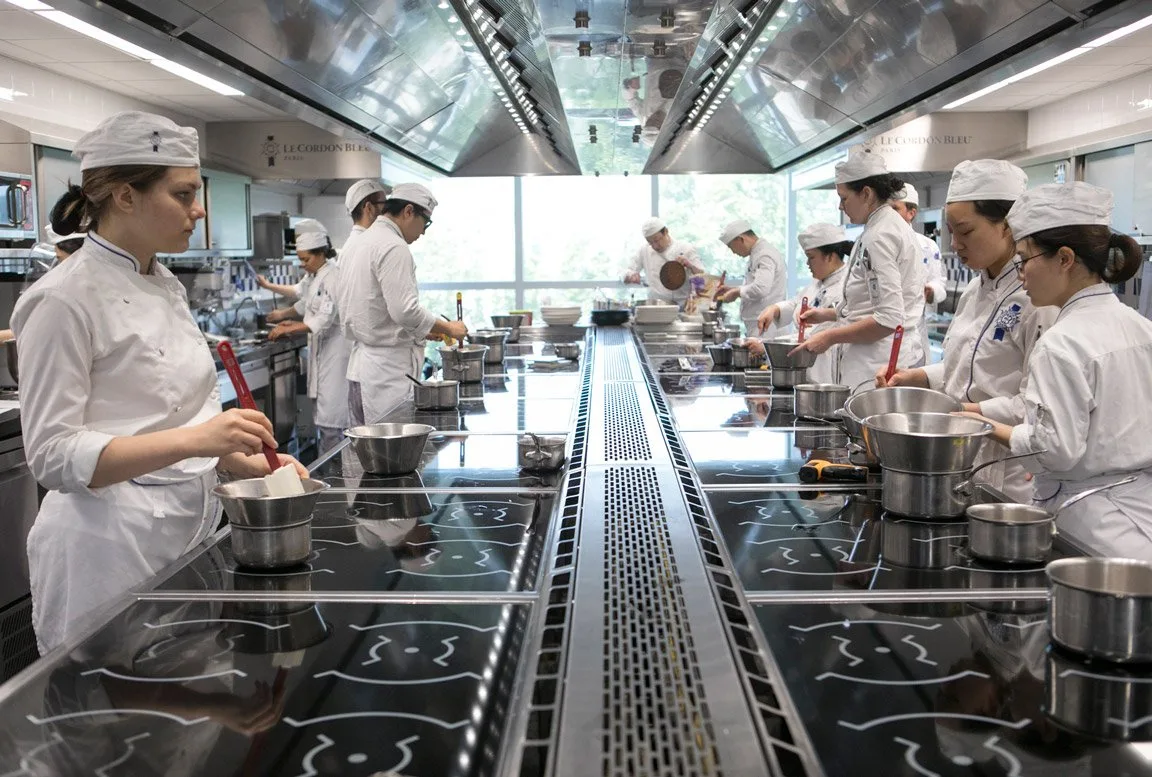
A structured culinary programme, such as the Diplôme de Cuisine offered at Sunway Le Cordon Bleu, is built around a sequence of skills rather than whatever tasks happen to need doing on a given shift.
You move through knife work, stocks and sauces, protein cookery and classical techniques in an order designed to build on itself. This matters because in a working kitchen, you often learn only what your section requires, which can leave significant gaps in your overall technique.
Structured Skill Progression
Culinary school introduces
techniques in a logical order, with each module reinforcing the one before it. You are not left guessing which fundamentals matter most.
Exposure to Multiple Cuisines and Methods
Rather than specialising early by accident, students typically encounter a wide range of culinary traditions and methods, giving them flexibility later in their careers.
A Safer Environment for Mistakes
Kitchen classrooms allow room for trial and error under instructor guidance, without the financial and reputational stakes of a live restaurant service.
Recognised Credentials
Graduates of Le Cordon Bleu programmes receive a diploma that is recognised internationally, which can support mobility across employers and, depending on individual circumstances, across countries.
What On the Job Training Really Looks Like
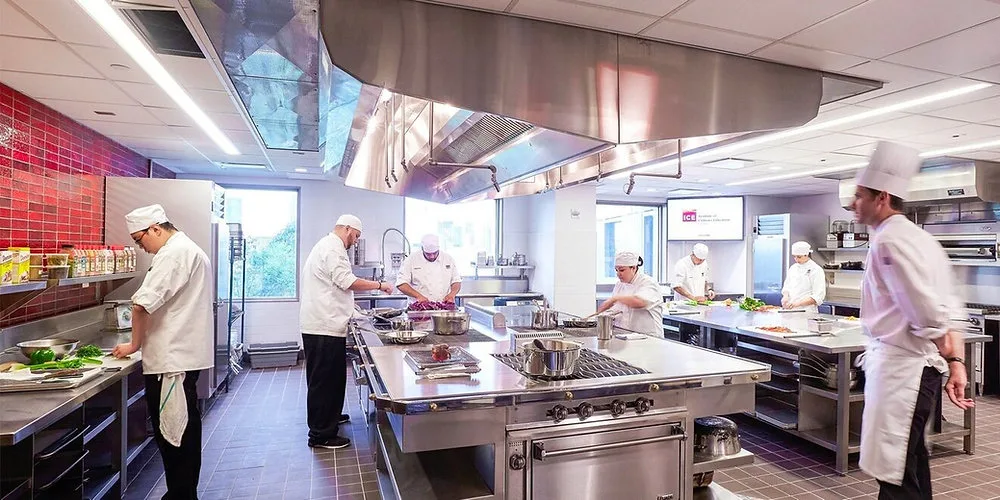
Apprenticeships and informal on-the-job learning place you inside
a working kitchen from day one. You learn by doing, often under direct supervision from an experienced chef, absorbing the rhythm and pressure of real service.
This kind of training can be highly effective for building speed, resilience and practical instincts, particularly in fast-paced environments. However, the quality of an apprenticeship depends almost entirely on the kitchen you land in and the mentor willing to teach you.
Some apprentices receive excellent, well-rounded guidance. Others end up repeating narrow tasks for months without exposure to broader techniques or kitchen management principles.
Culinary School vs Apprenticeship: Side by Side
| Factor |
Culinary School |
Apprenticeship or OJT |
| Learning structure |
Sequenced curriculum covering fundamentals to advanced techniques |
Learning shaped by daily kitchen needs and mentor availability |
| Pace pressure |
Controlled environment with room to practise and repeat |
Real service pressure from early on |
| Breadth of cuisine exposure |
Typically broad, covering multiple culinary traditions |
Often narrower, based on the kitchen’s speciality |
| Credential outcome |
Formal diploma or certificate, internationally recognised where applicable |
Experience and references, without a standardised qualification |
| Business and theory grounding |
Often includes food science, costing and kitchen management basics |
Usually limited unless specifically mentored |
How Employers View Each Path
Hiring managers do not view every kitchen background the same way, and context matters more than most guides admit. In hotels,
international dining groups and larger corporate kitchens, a formal culinary qualification can strengthen an application, partly because it signals a consistent standard of training regardless of where a candidate previously worked.
In smaller, independent restaurants or highly specialised kitchens, demonstrated hands-on skill and references from respected chefs can carry just as much weight, sometimes more. Neither path guarantees a specific job outcome or promotion timeline.
What tends to matter most across both routes is the depth of skill a candidate can actually demonstrate at the stove.

Why Malaysia’s Culinary Scene Rewards Both Paths
A Split Industry With Room for Both Paths
Malaysia’s hospitality and food and beverage industry spans everything from five-star hotel kitchens to independent local restaurants, and each segment tends to value slightly different things.
Entry Requirements Set a Baseline
Entry into a structured culinary programme in Malaysia typically requires completion of secondary school or an equivalent qualification, along with a minimum standard of English proficiency, since kitchen instruction and international brigade communication rely heavily on it.
A Structured Example: The Diplôme de Cuisine
Le Cordon Bleu’s Diplôme de Cuisine, delivered over roughly nine months full-time with several intakes across the year, is one example of how a formal pathway is structured to build competency systematically before graduates enter the workforce.
Apprenticeship Style Learning Remains Common Too
Apprenticeship style learning remains common in Malaysia too, particularly through internships tied to hospitality diplomas or informal kitchen placements, and it can suit those who thrive under direct, hands-on mentorship from day one.
Could You Actually Do Both?
This is the question that current advice often skips past too quickly. Many culinary programmes, including structured diplomas, incorporate practical placements or internship components, giving students exposure to real kitchen environments while still benefiting from a broader curriculum.
This combined approach lets you build fundamentals in a supported setting, then test and sharpen them under genuine service pressure. Rather than treating culinary school vs apprenticeship as an either or decision, it can be more useful to think about sequencing.
Structured training first can make the apprenticeship experience that follows far more productive, because you arrive with technique already in place rather than learning it reactively.
Which Path Actually Builds a Better Chef
Both paths can produce excellent chefs, and both can fall short if the training is inconsistent or the learner is not fully engaged.
Culinary school suits those who want a broad foundation before specialising, plus a credential that supports career mobility. Apprenticeship style training suits those who learn through immersion and already know which kitchen environment they want.
If you are still deciding, speak with a culinary institution about how their programme structure, practical components and industry links fit the chef you want to become.
Le Cordon Bleu Sunway welcomes enquiries from prospective students exploring how structured culinary education fits into their career plans, whether full time or as a complement to practical kitchen experience.
Frequently Asked Questions
What is the difference between culinary school and an apprenticeship?
Culinary school is a structured educational programme where students follow a set curriculum covering techniques, cuisines and kitchen theory under professional instructors. An apprenticeship is on-the-job training where you learn directly within a working kitchen, usually under the guidance of an experienced chef.
Both aim to build culinary competence, but they differ significantly in structure, pacing and the breadth of skills typically covered.
What does a culinary diploma programme typically include?
Most structured diploma programmes, including those offered at Sunway Le Cordon Bleu, include modules covering knife skills, stocks and sauces, protein and vegetable cookery and classical culinary techniques. Some programmes also include practical placements, business fundamentals or food science components.
Exact content and duration can vary depending on the institution and specific course chosen, so it is worth reviewing a programme’s curriculum directly before enrolling.
Who tends to benefit most from formal culinary education?
Formal culinary education can suit people who want a broad foundation across multiple cuisines before specialising, as well as those aiming for roles in hotels, international kitchens or corporate hospitality settings. It may also appeal to career changers who lack existing kitchen experience and want structured, sequential learning.
It is not the only route to becoming a chef, and suitability depends on individual learning style and career goals.
When should I start planning if I want to attend culinary school?
It is generally advisable to start researching programmes several months before your intended intake, since application requirements, document preparation and enrolment steps take time. Programmes such as the Diplôme de Cuisine run multiple intakes throughout the year, which offers some flexibility.
Timelines can vary depending on individual circumstances, including prior qualifications and visa requirements for international students.
What should I expect in terms of time commitment and workload?
Full-time structured culinary diplomas typically run over several months and involve a demanding mix of theory and hands-on practical sessions. Apprenticeships can vary widely in duration depending on the kitchen and the scope of responsibilities you take on over time.
In both cases, expect the learning curve to be steep, particularly in the early stages, regardless of which path you choose.
Is culinary school necessary to become a professional chef?
Culinary school is not the only route into a professional chef career, and many respected chefs have built their careers primarily through kitchen experience. However, formal education can provide a broader and more consistent skill foundation, along with a recognised credential that may support certain career paths.
The right choice depends on your learning preferences, career goals and the type of kitchens you hope to work in.
How do I choose the right culinary school or training pathway?
Consider the curriculum depth, the practical to theory ratio, industry accreditation and whether the programme includes real kitchen exposure through placements or internships. It also helps to look at instructor experience, facilities and the institution’s connections within the hospitality industry.
Speaking directly with admissions staff and, where possible, current students or graduates can give you a clearer sense of whether a programme fits your goals.
Culinary school vs apprenticeship: which one leads to better career opportunities in Malaysia?
Career outcomes in Malaysia’s hospitality sector depend on the type of employer you are targeting, and both paths can lead to strong opportunities. Formal qualifications such as a Le Cordon Bleu diploma can be advantageous when applying to hotels or international dining groups that value standardised training.
Apprenticeship experience remains highly respected too, particularly in independent kitchens, and many chefs ultimately combine both approaches over the course of their careers.