
Plenty of talented cooks can produce a beautiful dish. Far fewer can turn that dish into a business that survives past its first year.
This gap between kitchen skill and business skill is exactly what a diploma in culinary entrepreneurship is designed to close. It raises a fair question: can a classroom, even a professional kitchen classroom, actually teach you how to run a food business?
This article looks at what that kind of training realistically covers, what it cannot replace, and how to think about it if you are weighing up culinary school as your route into F&B ownership.
Key Takeaways
- A diploma in culinary entrepreneurship combines hands-on culinary training with business modules like costing, branding, operations and compliance.
- These programmes are structured around developing an original food product or concept, not just practising recipes from a textbook.
- Business fundamentals such as menu engineering and legal frameworks are taught alongside kitchen technique, addressing a gap many culinary graduates face.
- Mentorship and industry feedback help students test their ideas against real market expectations before launch.
Why Cooking Well Is Not the Same as Running Well
Ask any chef who has opened their own place and they will tell you the cooking was rarely the hard part.
The hard part was pricing a menu so it actually turns a profit, negotiating with suppliers, understanding food safety compliance and figuring out how to brand a concept so customers remember it.
Traditional culinary training understandably focuses on technique, palate and consistency in the kitchen. That focus produces excellent cooks.
But a commercial kitchen is only one part of a food business. Everything around it, from costing to marketing to legal compliance, determines whether that kitchen stays open.
This is the specific gap that a diploma in culinary entrepreneurship is built to address. It teaches business fundamentals alongside culinary practice rather than assuming graduates will pick them up on the job.

What This Diploma Actually Covers
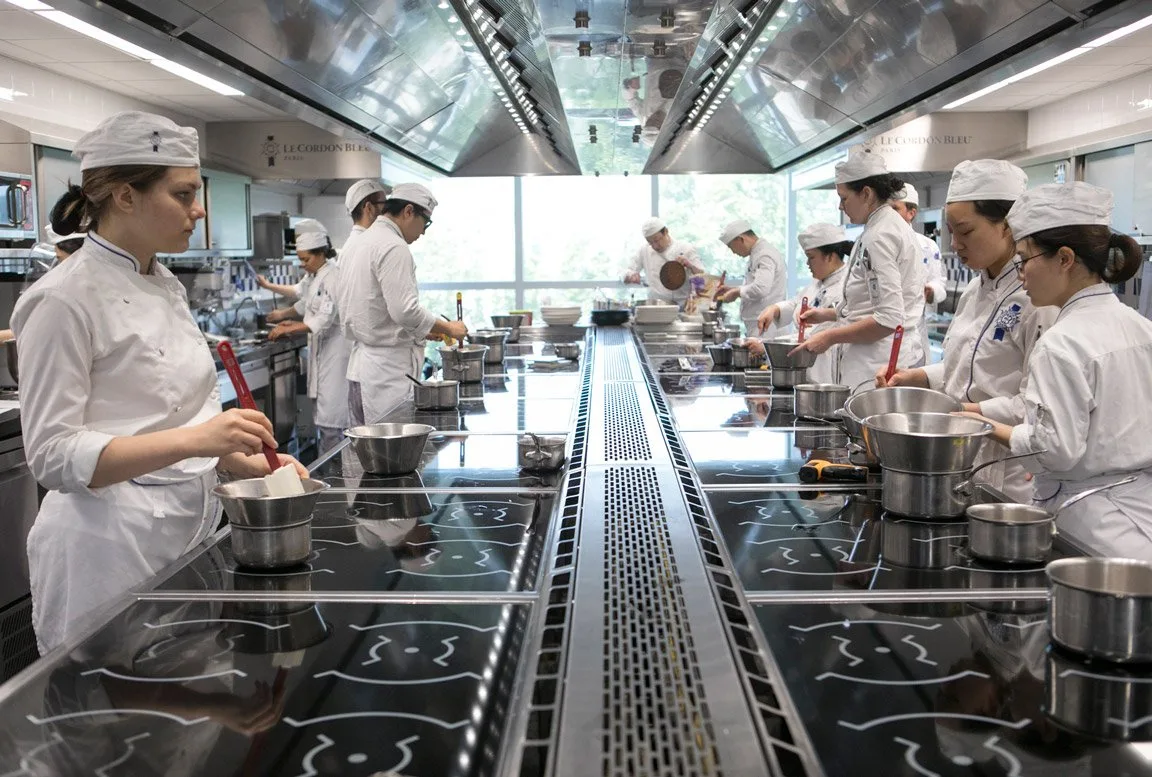
At Le Cordon Bleu Sunway, Culinary Entrepreneurship is one of the institute’s core programme areas, combining cuisine, pastry and bakery training with dedicated business modules.
Rather than teaching cooking and business as separate tracks, the programme is built around developing one original food concept from idea to something closer to a market-ready product.
Food Business Start Up and Business Operations
These modules cover the practical realities of setting up and running a food business, including day-to-day operational decisions that affect profitability and consistency.
Business Plan Project
Students work on an actual business plan tied to their own concept, rather than a hypothetical case study. This gives the exercise more direct relevance to their goals.
Menu Engineering and Costing
This addresses one of the most common blind spots for chefs: understanding how to price dishes so they reflect true food cost, labour and margin rather than guesswork.
Concept Branding, Marketing and E-commerce
Modules here look at how a food concept is positioned, presented and sold, including digital channels that many small F&B businesses now depend on.
Legal Framework and Halal Certification
The programme is designed to cover the practical legal and compliance considerations relevant to operating a food business in Malaysia.
Building One Concept, Start to Finish
What sets this diploma apart from a general culinary arts qualification is its incubator structure.
Instead of moving through a series of unrelated recipes and techniques, students develop research and product development work around a single original food concept throughout the programme.
Applicants are asked to submit a project application before enrolling, including a recorded presentation of their proposed concept along with expected specialty ingredients and packaging needs.
This means the diploma suits people who already have some direction, whether that is a sauce line, a bakery concept, a plant-based product or a specific cuisine niche. They want structured support to develop it properly.
Throughout the course, mentorship and industry feedback are used to pressure-test that concept. This helps students refine pricing, positioning and feasibility before they commit significant capital to launching it independently.

Who Gets the Most Out of This Path
This diploma is not aimed at absolute beginners with no cooking background.
Entry requirements vary by applicant background and industry experience.
That prerequisite matters. The programme assumes a baseline of kitchen competence already exists, so it can dedicate its three months to business development rather than basic technique.
| Background | How this diploma may fit |
|---|---|
| Recent culinary graduate with kitchen skills but no business grounding | Strong fit, addresses the exact gap between technical training and running a business |
| Experienced industry professional with sufficient relevant industry experience | Eligible via industry experience pathway, useful for formalising business knowledge |
| Complete beginner with no cooking background | Likely better suited to a foundational culinary programme first |
| Established business owner refining an existing concept | Can benefit from structured feedback, costing discipline and branding modules |
What Culinary School Cannot Do for You
It is worth being honest about the limits of any classroom, however well designed.
It Cannot Guarantee Your Concept Will Succeed
A diploma in culinary entrepreneurship can teach you how to cost a menu, structure a business plan and understand halal compliance requirements. It cannot guarantee that your specific concept will succeed in the market.
Real World Variables Are Still Yours to Manage
Location, competition, capital available, staffing and consumer trends will still shape outcomes after graduation. These depend heavily on individual circumstances.
It Shortens the Learning Curve, Not the Effort
What structured training does offer is a shorter, more guided route to understanding the questions you need to ask. This beats learning those lessons through costly trial and error after you have already opened.
Mentorship Surfaces Weaknesses Early, Not Guarantees
Mentorship and feedback during the programme are designed to surface weaknesses in a concept while the stakes are still relatively low. This can be valuable regardless of how the business ultimately performs.
Is It Worth Considering?
If you already have a food concept in mind and the kitchen skills to execute it, a structured programme that pairs culinary training with costing, branding, compliance and mentorship addresses a real and common gap in the industry.
It will not replace the judgement, resilience and adaptability that running a business demands day to day.
But it can give you a more complete foundation than culinary skill alone. You get a chance to test your idea with informed feedback before you commit to launching it on your own.
If you are exploring whether this kind of programme fits your goals, it is worth speaking directly with Le Cordon Bleu Sunway to understand the current intakes, entry requirements and how the incubator project process works.
Frequently Asked Questions
What is a diploma in culinary entrepreneurship?
It is a culinary programme that combines professional cooking training with business education, covering areas such as costing, branding, operations and legal compliance.
Rather than focusing only on technique, it prepares students to develop and manage their own food business concept from an early idea into something closer to a market-ready product.
What subjects and modules are typically included?
Programmes generally include kitchen-based culinary, pastry or bakery training alongside business modules such as food business start-up, business operations, menu engineering and costing, concept branding and marketing, e-commerce, financial principles, legal framework and halal certification.
The exact modules and their weighting can vary depending on the institution and specific programme structure.
Who is this type of diploma suitable for?
It tends to suit people who already have some culinary background or industry experience and a genuine interest in starting or formalising a food business.
This can include recent culinary graduates, experienced industry professionals without formal qualifications or existing small business owners looking to refine their concept, depending on individual entry requirements.
When should I start planning if I am interested?
It is sensible to start researching intakes, entry requirements and application timelines several months in advance, since some programmes require a project application, recorded presentation and supporting documents before enrolment.
Planning ahead also gives you time to develop or refine your food concept before you apply, which can strengthen your application.
What should I expect in terms of time and commitment?
Programmes of this kind are often structured as intensive, several-month courses rather than multi-year degrees, combining classroom learning, kitchen practice and independent project work.
Expect a demanding schedule that requires consistent commitment, since much of the value comes from developing a genuine business concept alongside your studies rather than passive learning.
Does completing this diploma guarantee my food business will succeed?
No structured programme can guarantee business success, since outcomes depend on many factors including market conditions, capital, location and ongoing management decisions.
What this type of diploma can offer is a more structured understanding of costing, compliance, branding and operations, which may reduce some of the common mistakes new food entrepreneurs make.
How do I choose the right programme or institution?
Consider the institution’s culinary credentials, the depth and relevance of the business modules offered, whether mentorship or industry feedback is built into the course and how clearly the entry requirements and project expectations are explained.
It also helps to speak directly with the institution about how the programme supports students in developing their own concept rather than following a generic curriculum.
Is a diploma in culinary entrepreneurship different from a standard culinary arts diploma?
Yes. A standard culinary arts diploma focuses primarily on cooking technique and kitchen skills, while a diploma in culinary entrepreneurship is built specifically around developing a food business. It pairs culinary training with modules like costing, branding, legal compliance and business planning.
It generally suits students or professionals who already have kitchen experience and want structured guidance on turning a concept into an operating business.