A professional culinary diploma is often misunderstood as a course focused only on cooking recipes. In practice, it is a structured training programme that builds technical competence, kitchen discipline, and operational understanding from the ground up.
Students are trained to work within professional kitchen environments where precision, timing, consistency, and safety are non-negotiable. The curriculum progresses from core foundations to advanced techniques, preparing graduates for real-world culinary roles rather than casual cooking.
This article outlines what is actually taught in a professional culinary diploma and how each stage contributes to long-term capability.
Key Takeaways
- A professional culinary diploma develops both technical cooking skills and kitchen discipline
- Training begins with foundational techniques before progressing to advanced applications
- Students learn food safety, kitchen operations, and time management alongside cooking
- Advanced modules cover international cuisines, plating, and menu development
- The programme prepares students for structured, high-pressure kitchen environments
Foundation Stage: Building Core Culinary Skills
The first phase of a culinary diploma focuses on fundamental techniques that form the basis of all professional cooking.
Students are trained in:
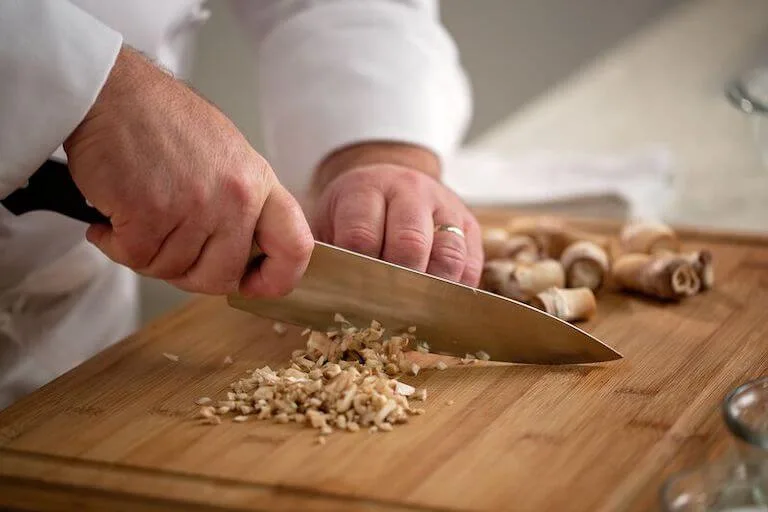
- Knife skills and cutting techniques
- Basic cooking methods such as boiling, sautéing, roasting, and grilling
- Preparation of stocks, soups, and sauces
- Ingredient handling and storage
Precision is emphasised from the beginning.
Knife cuts must be uniform. Cooking times must be controlled. Measurements must be accurate. These standards establish consistency, which is essential in professional kitchens.
Food Safety and Kitchen Hygiene
Food safety is a core component, not an optional module.
Students learn:
- Proper food handling procedures
- Temperature control and storage standards
- Cross-contamination prevention
- Personal hygiene protocols
- Kitchen sanitation practices
These principles align with industry requirements and are enforced throughout training.
Failure to maintain hygiene standards in a professional kitchen has operational and legal consequences. As a result, discipline in this area is embedded early.
Understanding Ingredients and Flavour Profiles
Beyond technique, students develop an understanding of how ingredients behave.
This includes:
- Identifying ingredient quality and freshness
- Understanding flavour balance (sweet, sour, salty, bitter, umami)
- Pairing ingredients effectively
- Recognising regional and cultural flavour profiles
This knowledge allows students to move beyond following recipes toward making informed culinary decisions.
Intermediate Training: Expanding Technical Range
Once foundational skills are established, the programme introduces more complex techniques and broader cuisine exposure.
Students begin working with:
- Meat fabrication and seafood preparation
- Advanced sauce techniques
- Baking and pastry fundamentals
- Multi-component dish preparation
At this stage, timing becomes more critical.
Students must coordinate multiple elements simultaneously while maintaining consistency across each component.
Exposure to International Cuisines
Professional culinary diplomas typically include structured exposure to global cuisines.
This may cover:
- Western culinary techniques
- Asian cooking methods
- Fusion concepts
- Regional specialisations depending on the institution
The objective is not mastery of every cuisine, but familiarity with different techniques, ingredients, and presentation styles.
This broadens adaptability in diverse kitchen environments.
Kitchen Operations and Workflow Management
Technical cooking alone is insufficient for professional readiness.
Students are trained in:
- Kitchen station management
- Mise en place preparation
- Time management under service conditions
- Communication within a kitchen brigade
Understanding workflow is critical.
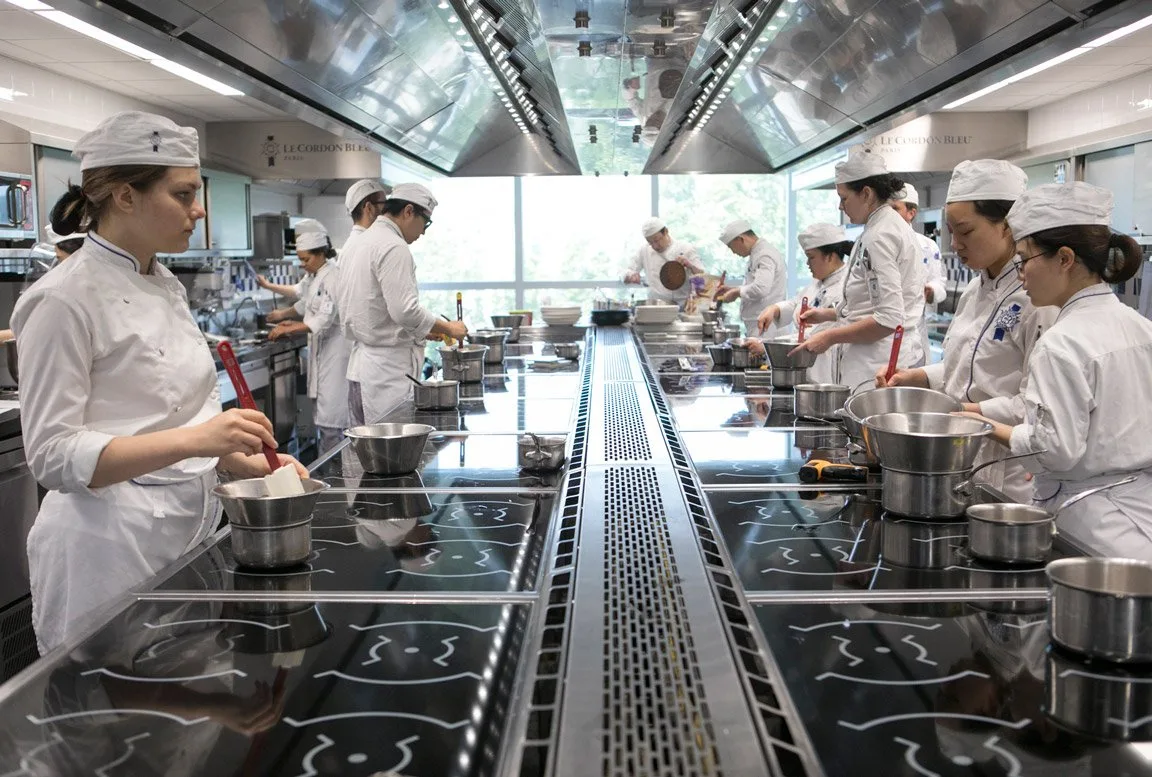
A professional kitchen operates as a coordinated system. Delays or errors at one station affect the entire service. Training simulates these conditions to build operational awareness.
Advanced Stage: Refinement and Specialisation
In the later stages, training shifts toward refinement, creativity, and consistency under pressure.
Key focus areas include:
Advanced Cooking Techniques
- Precision cooking methods
- Temperature control for different proteins
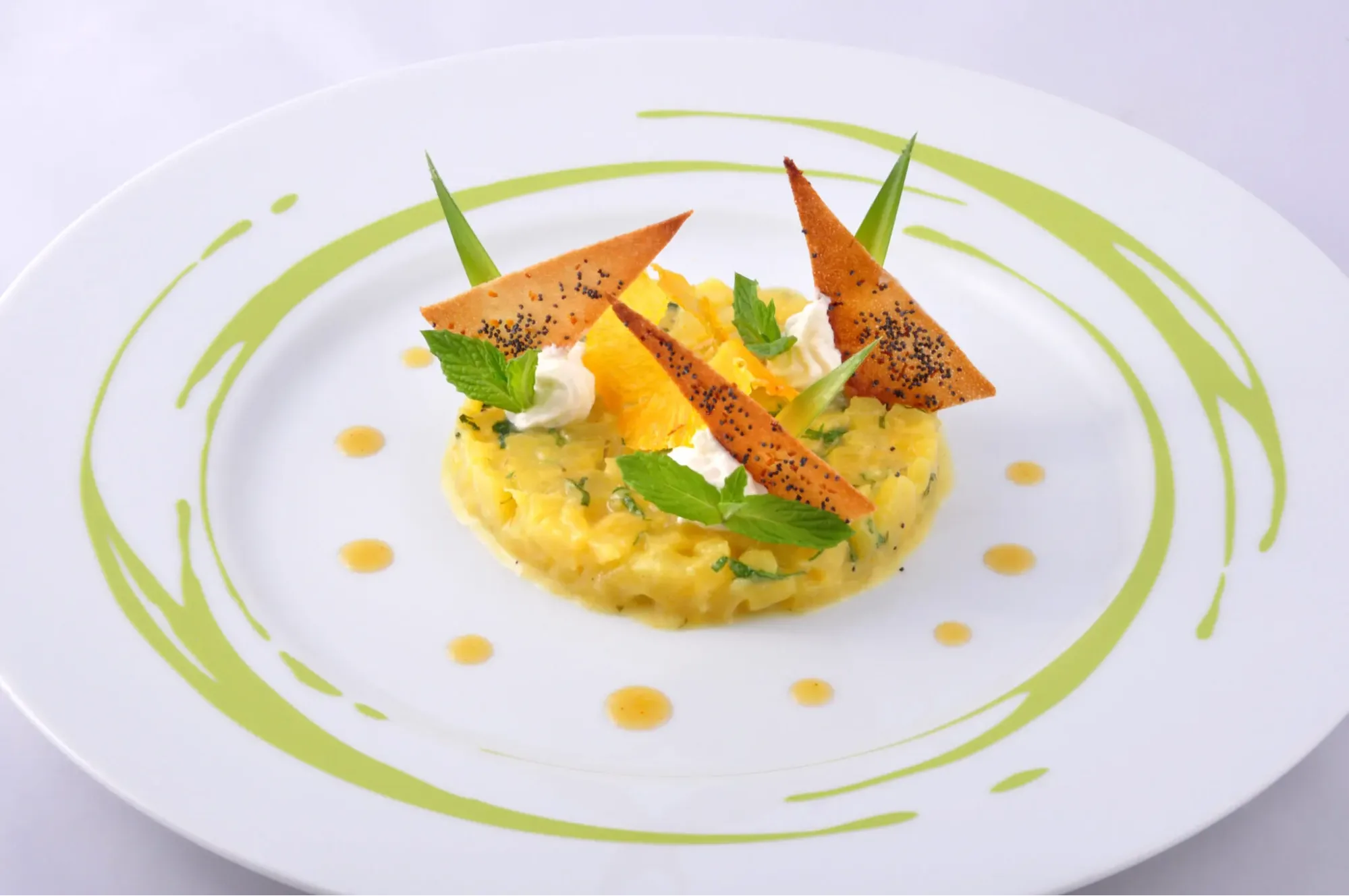
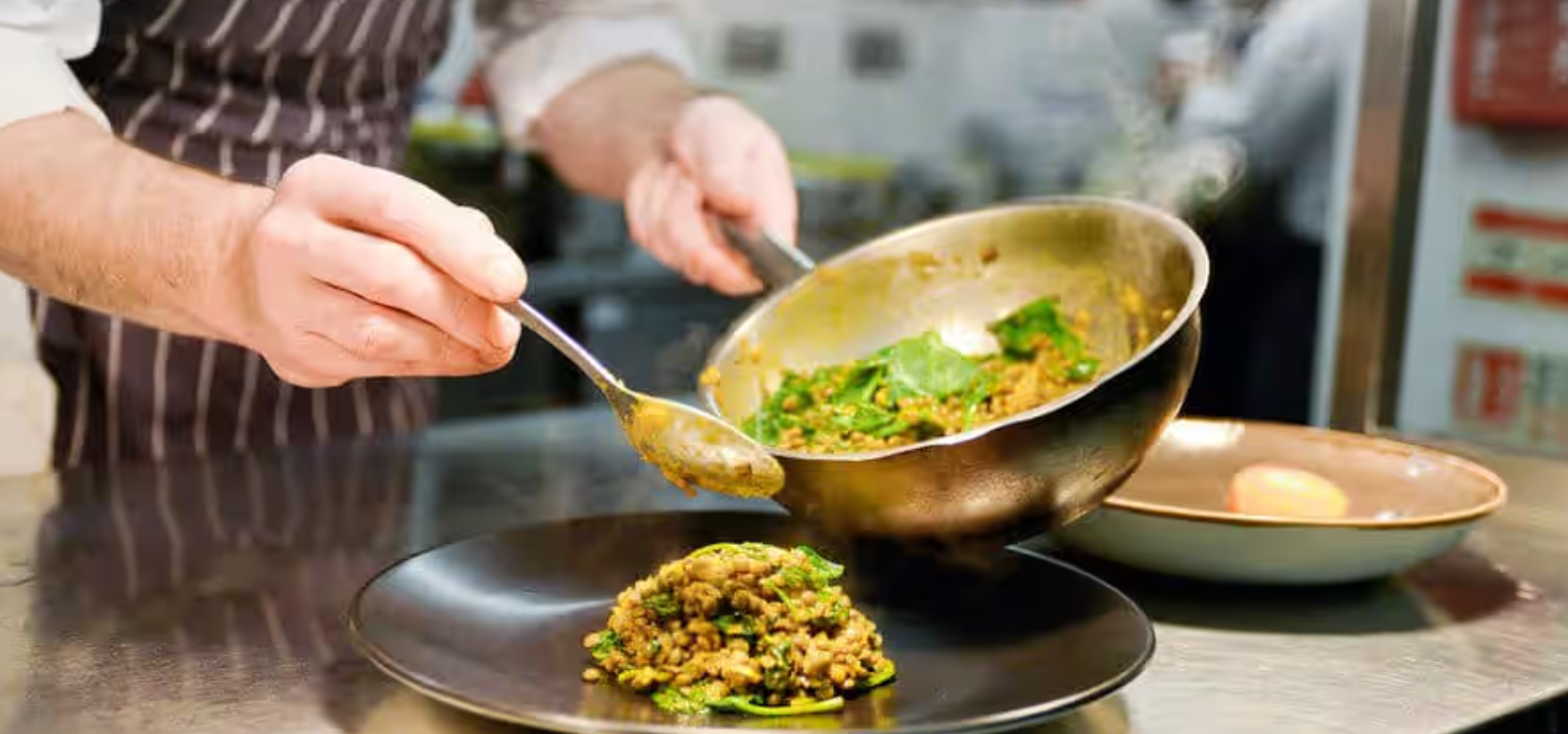
- Complex plating execution
Menu Development
- Designing balanced menus
- Cost control considerations
- Portion planning
Plating and Presentation
- Visual composition of dishes
- Consistency in presentation
- Alignment with dining concepts
At this stage, students are expected to apply foundational knowledge independently rather than follow step-by-step instruction.
Assessment and Practical Evaluation
Evaluation in a culinary diploma is primarily practical.
Students are assessed based on:
- Execution accuracy
- Consistency across dishes
- Time management
- Cleanliness and organisation
- Ability to follow kitchen procedures
Written assessments may support theoretical understanding, but practical performance remains the primary measure.
Real Kitchen Simulation and Industry Exposure
Many programmes incorporate:
- Live kitchen simulations
- Timed service scenarios
- Internships or industry placements
These components expose students to:
- Real service pressure
- Customer expectations
- Professional kitchen standards
The transition from training to employment is therefore more structured.
Skills Developed Beyond Cooking
A professional culinary diploma develops additional competencies that extend beyond food preparation.
These include:
- Discipline and consistency
- Attention to detail
- Ability to work under pressure
- Team coordination
- Problem-solving in fast-paced environments
These attributes are essential for long-term progression within the culinary industry.
From Foundation to Professional Readiness
The structure of a culinary diploma can be summarised as follows:
Stage | Focus Area |
Foundation | Basic techniques, knife skills, food safety |
Intermediate | Expanded cooking methods, ingredient handling |
Advanced | Menu creation, plating, refinement |
Industry Exposure | Real kitchen operations and service experience |
Conclusion
A professional culinary diploma is a structured progression from foundational skills to advanced kitchen capability.
It combines technical training, operational discipline, and real-world application to prepare students for professional environments where consistency and precision are required.
The outcome is not simply the ability to cook, but the ability to perform within a system, manage time effectively, and execute dishes to a professional standard under pressure.