Cake decorating looks effortless in photos. Smooth buttercream, delicate piping, perfectly balanced tiers.
The reality is different. Professional cake decorating demands precision, timing, structural knowledge and repetition under pressure.
If you are considering a cake decorating course in Malaysia, understanding what you will actually learn and which qualifications hold weight in the industry can save time, effort and confusion. For broader context on pastry training pathways, refer to our Complete Guide to Pastry and Baking.
This article explains the core skills taught in structured cake decorating programmes and how to evaluate certification value before you enrol.
Key Takeaways
- Cake decorating courses teach foundational techniques, structural stability, piping precision and finishing consistency.
- Professional programmes include workflow discipline, hygiene standards and time management under service conditions.
- Not all certifications carry the same industry recognition or employment value.
- Choosing the right course depends on career goals, skill level and the type of certification employers respect.
What You Actually Learn in a Cake Decorating Course
A structured cake decorating course is not a casual workshop. It is technical training designed to build repeatable skills under professional standards.
Students begin with foundational techniques before progressing to advanced applications.
Buttercream and Ganache Application
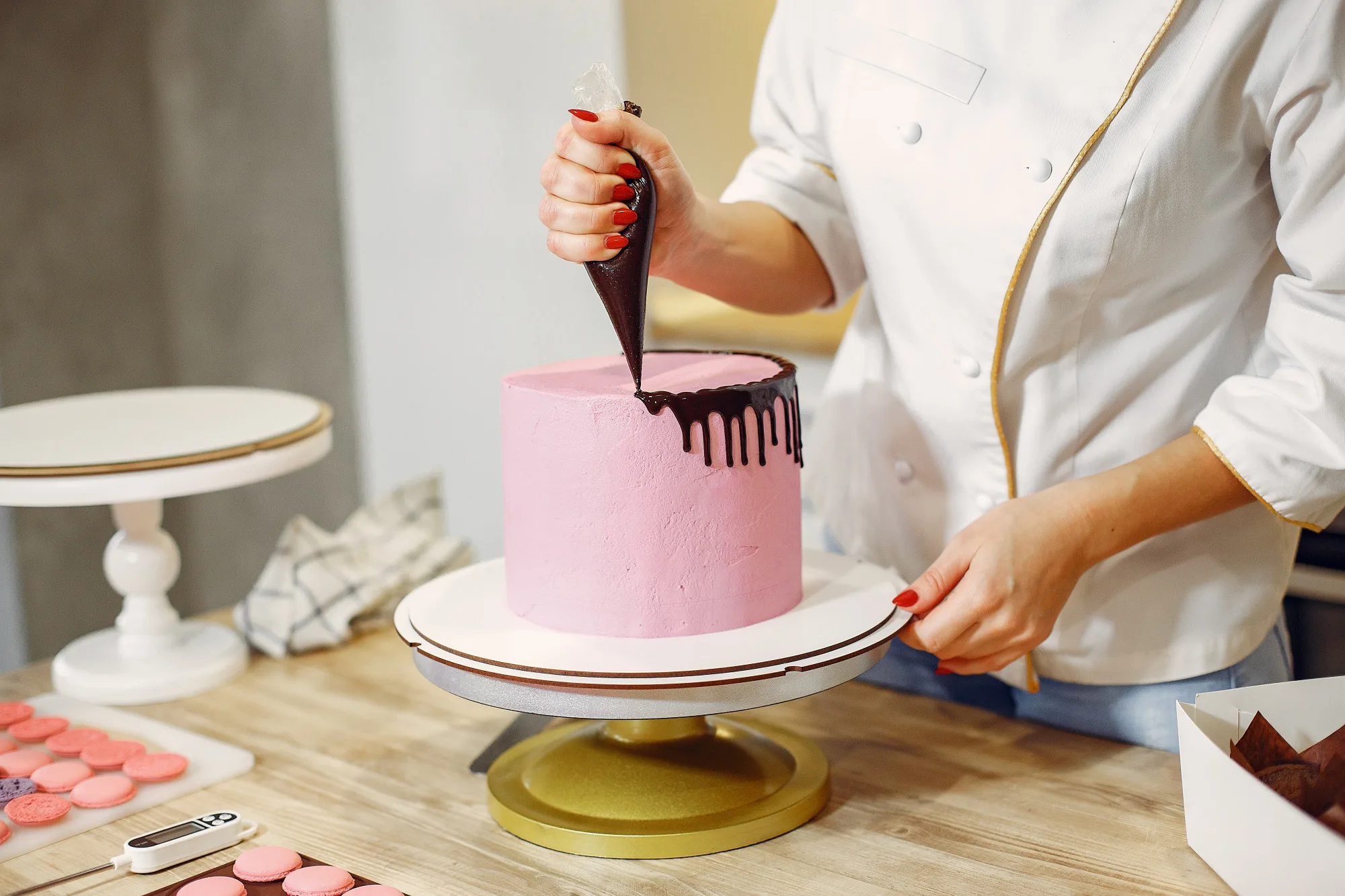
Students learn to prepare, colour and apply buttercream and ganache with consistent texture and coverage.
Training includes crumb coating, smoothing techniques, temperature control and achieving sharp edges on tiered cakes.
Piping Techniques and Pattern Control
Piping is practised repeatedly until pressure control, nozzle angle and hand stability become consistent.
Students work with borders, rosettes, shells, writing and lace patterns. Precision improves through correction and repetition.
Fondant Handling and Structural Coverage
Fondant application requires understanding elasticity, rolling thickness and draping without tearing or air pockets.
Students learn to cover cakes smoothly, create sharp corners and repair surface imperfections.
Cake Assembly and Structural Stability
Stacking tiered cakes involves dowelling, levelling and weight distribution to prevent collapse.
Training covers internal support systems, board placement and transportation stability.

Why Workflow Discipline Matters More Than Creativity
Creativity is valuable, but professional cake decorating depends on workflow discipline.
Students are trained to work within time constraints, maintain clean stations and coordinate tasks efficiently.
Decorating under service pressure requires planning ahead, organising tools and managing multiple components simultaneously.
This discipline is what separates hobbyist decorating from professional kitchen readiness.
The Difference Between Short Courses and Diploma Programmes
Not all cake decorating courses offer the same depth or certification value.
Short Courses and Workshops
Short courses typically run from one day to a few weeks. They focus on specific techniques such as floral piping, fondant modelling or single-tier decoration.
These courses suit hobbyists or those exploring interest before committing to formal training, including gourmet dessert workshops in Malaysia. They do not usually result in industry-recognised certification.
Diploma Programmes in Pastry
Diploma programmes include cake decorating as part of a broader pastry curriculum. Training covers not only decoration but also baking, dough preparation, plating and kitchen operations.
Graduates receive formal certification that is recognised by employers in hotels, restaurants, bakeries and catering businesses.
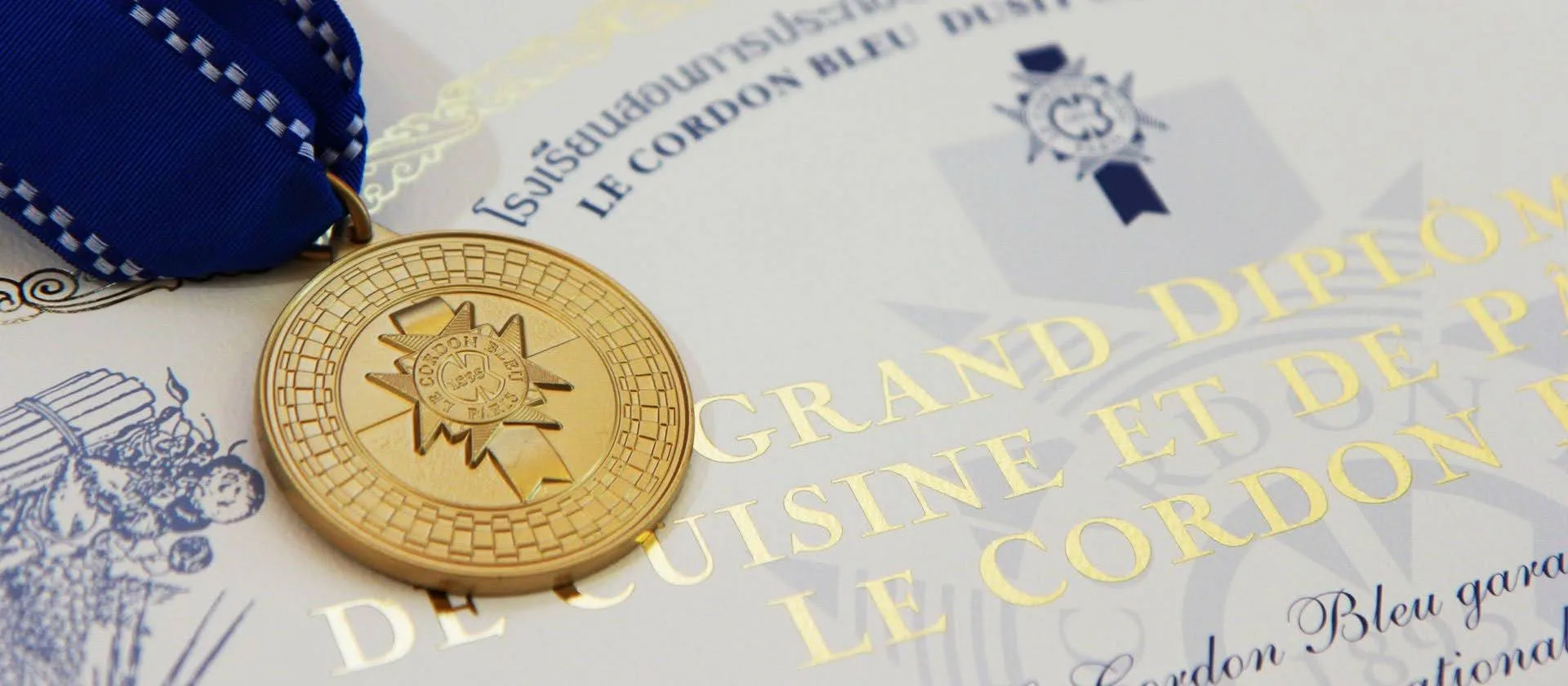
Programmes such as the diploma in pastry at Le Cordon Bleu integrate cake decorating within a structured progression from foundational pastry skills to advanced techniques.
Which Certification Holds Real Industry Value
Certification value depends on recognition, curriculum depth and the institution’s reputation.
Internationally Recognised Diplomas
Certifications from globally recognised culinary institutions carry weight across borders. Employers understand the training standards and skill expectations associated with these qualifications.
Le Cordon Bleu diplomas are recognised internationally and signal completion of rigorous, structured training that employers respect across borders.
Local Short-Course Certificates
Certificates from local workshops may demonstrate skill development but do not usually meet the criteria for professional employment in established kitchens.
They are better suited for personal development or small-scale home baking ventures.
What Employers Look For
When hiring pastry professionals, employers prioritise candidates with formal qualifications that demonstrate comprehensive training, not just isolated decorating skills. Understanding the full range of pastry chef skills and career expectations helps clarify why certifications that confirm knowledge of hygiene standards, workflow discipline and technical consistency are valued above all.
How to Choose the Right Cake Decorating Course
Choosing the right course depends on your career goals, current skill level and the type of certification you need.
| Factor | What to Consider |
|---|---|
| Career Goals | Are you pursuing professional employment or personal interest? |
| Curriculum Depth | Does the course cover foundational techniques and advanced applications? |
| Certification Recognition | Is the qualification recognised by employers locally and internationally? |
| Instructor Expertise | Are instructors experienced pastry professionals with industry backgrounds? |
| Facilities | Does the training environment replicate professional kitchen conditions? |
If your goal is professional employment, a pastry course in Malaysia that includes cake decorating within a broader curriculum offers greater long-term value than standalone short courses.
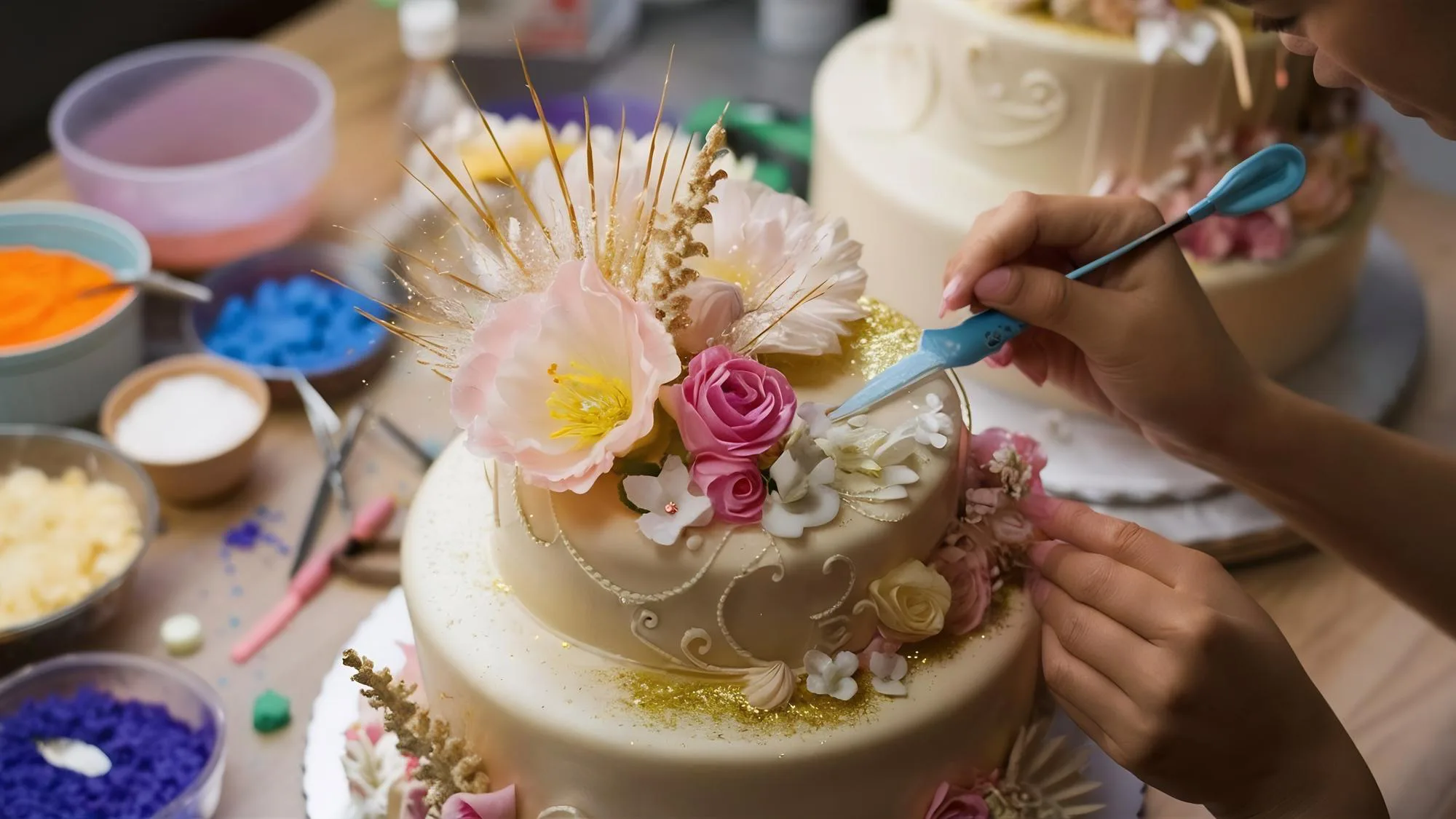
Beyond Decoration: Understanding the Full Pastry Skill Set
Cake decorating is one component of pastry work. Professional pastry roles require additional competencies.
Students trained in comprehensive pastry programmes learn dough preparation, lamination, chocolate work, plated desserts and kitchen hygiene alongside decoration.
This broader skill set increases employability and career flexibility within hotels, restaurants, bakeries and catering operations. For more on the career paths for pastry and bakery graduates in Malaysia, explore the range of roles that structured training can open up.
The Value of Structured Repetition and Real-Time Feedback
Skill development in cake decorating depends on repetition and correction.
In structured programmes, instructors observe technique continuously and provide real-time feedback on hand pressure, tool angle and timing.
Students repeat techniques until consistency is achieved. This process builds muscle memory and reduces reliance on guesswork.
Without structured correction, bad habits form early and become difficult to reverse.
Final Thoughts
A cake decorating course in Malaysia can provide valuable skills, but not all courses deliver the same depth or certification value.
Professional programmes that integrate cake decorating within a broader pastry curriculum offer structured training, industry-recognised certification and greater career readiness.
If you are serious about pursuing a career in pastry, choosing a course that builds foundational skills, enforces workflow discipline and provides recognised qualifications will position you for long-term success.
Visit Le Cordon Bleu Sunway to find out more about how structured pastry training can support your career goals.