Bread making looks deceptively simple until you try to do it professionally.
A home baker might produce a decent loaf through trial and error. A professional baker must deliver consistency across dozens of loaves, manage fermentation timing, troubleshoot dough failures and meet commercial production standards.
That gap is what a structured bread making course is designed to close.
This article explains what students actually learn in bread making courses in Malaysia, from foundational dough techniques to the realities of commercial bakery operations.
Key Takeaways
- Bread making courses progress from basic straight doughs to complex fermentation techniques including sourdough and enriched breads
- Students learn commercial production workflows, batch consistency and quality control standards used in professional bakeries
- Training covers ingredient science, troubleshooting common dough failures and adapting recipes for different environmental conditions
- Professional programmes integrate bread making within broader bakery courses in Malaysia that include viennoiserie, pastry and entrepreneurship skills
Starting Point: Straight Dough Methods
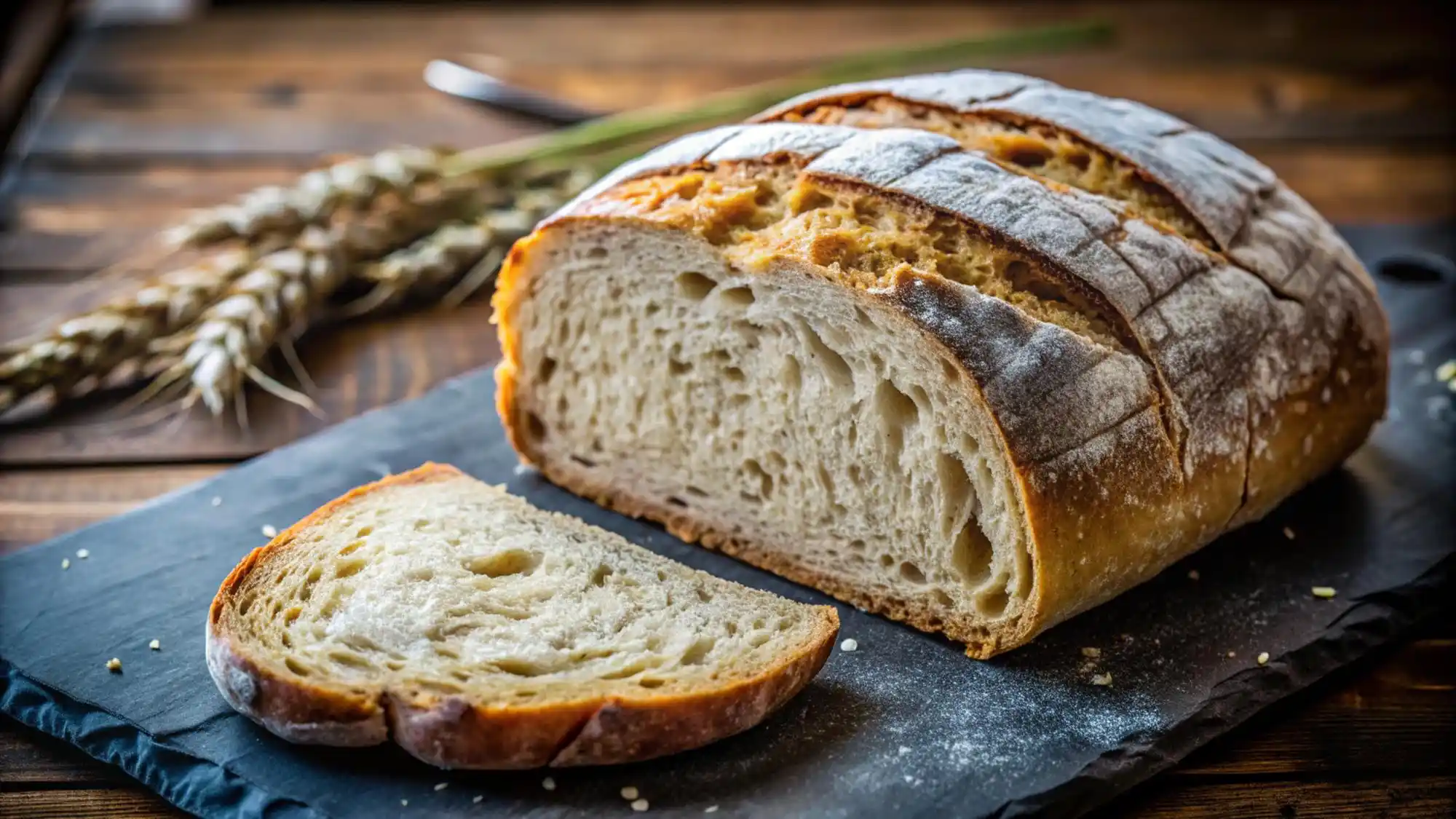
Most bread making courses begin with straight dough, the most direct method of bread production.
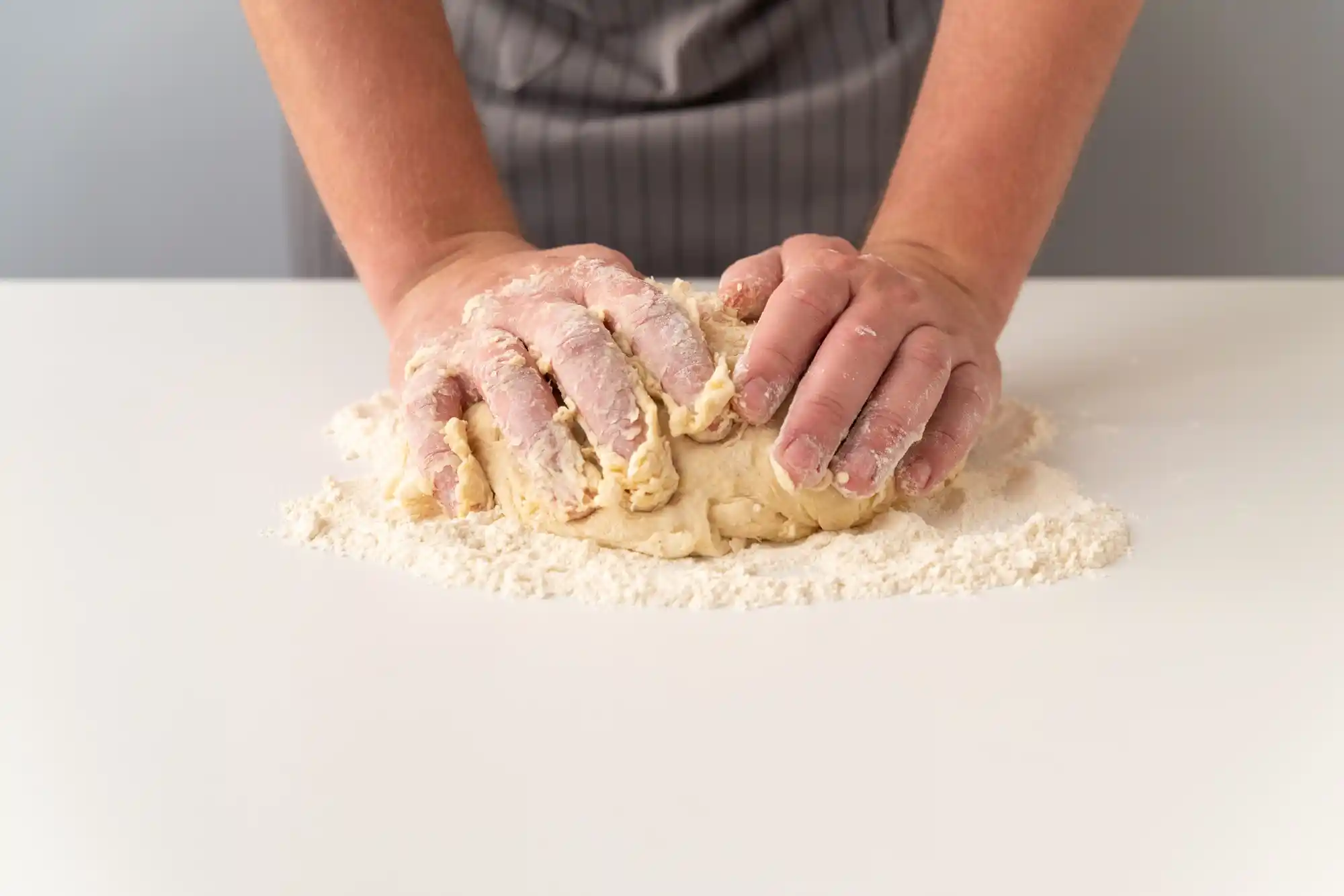
Students learn to combine flour, water, yeast and salt in a single mixing session. The dough is kneaded, left to ferment, shaped and baked.
This foundation teaches:
- Proper mixing technique – Understanding when dough has reached adequate gluten development
- Fermentation observation – Recognising when dough has doubled in volume and is ready for shaping
- Shaping fundamentals – Creating tension in dough to support structure during baking
- Oven management – Controlling temperature and steam for crust development
Straight dough provides immediate results. Students see the direct relationship between technique and outcome.
Mistakes are visible. Under-kneaded dough collapses. Over-proofed dough spreads. These failures become learning tools.
The Science Behind Gluten Development
Understanding gluten is not optional in professional bread making.
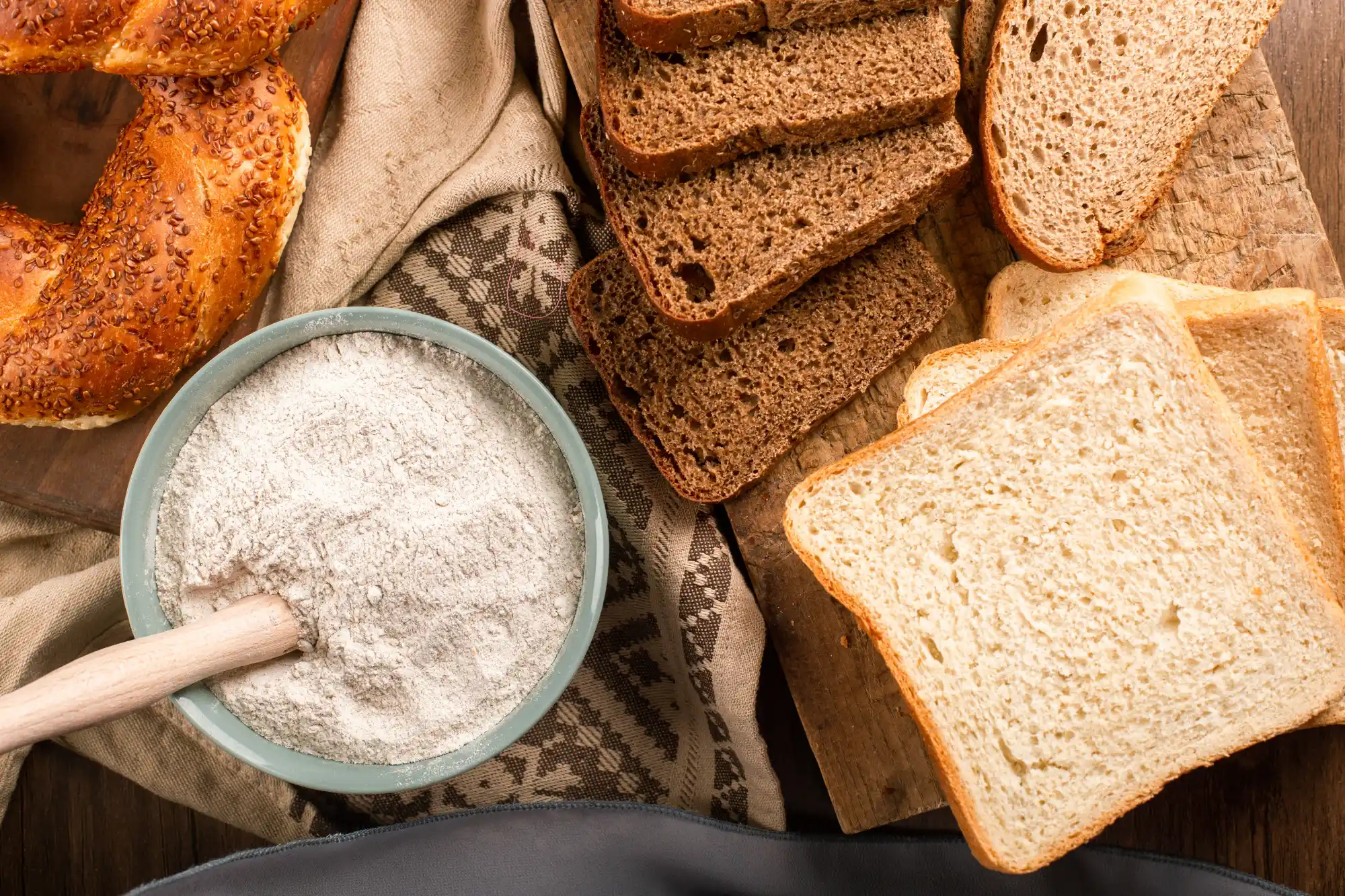
Courses explain how gluten works in bread making, forming protein strand networks that trap gas during fermentation. Students learn to assess dough by touch, recognising elasticity and extensibility.
Training includes:
- Windowpane testing to evaluate gluten strength
- Adjusting hydration levels based on flour protein content
- Recognising how different mixing speeds affect dough structure
- Understanding autolyse and its impact on dough handling
This knowledge allows bakers to troubleshoot problems before they reach the oven.
Pre-Ferments and Flavour Development
Once straight dough is mastered, courses introduce pre-fermentation techniques.
Students work with poolish, biga and pâte fermentée. Each method extends fermentation time to develop deeper flavour and improve texture.
Poolish
A liquid pre-ferment using equal parts flour and water. It creates an open crumb structure and mild acidity.
Biga
A stiff Italian pre-ferment with less water. It produces stronger flavour and improved dough strength.
Pâte Fermentée
Reserved dough from a previous batch. It adds complexity and reduces waste in commercial production.
Students learn to calculate baker’s percentages, adjusting formulas to incorporate pre-ferments while maintaining dough balance.
Sourdough: Natural Fermentation Mastery
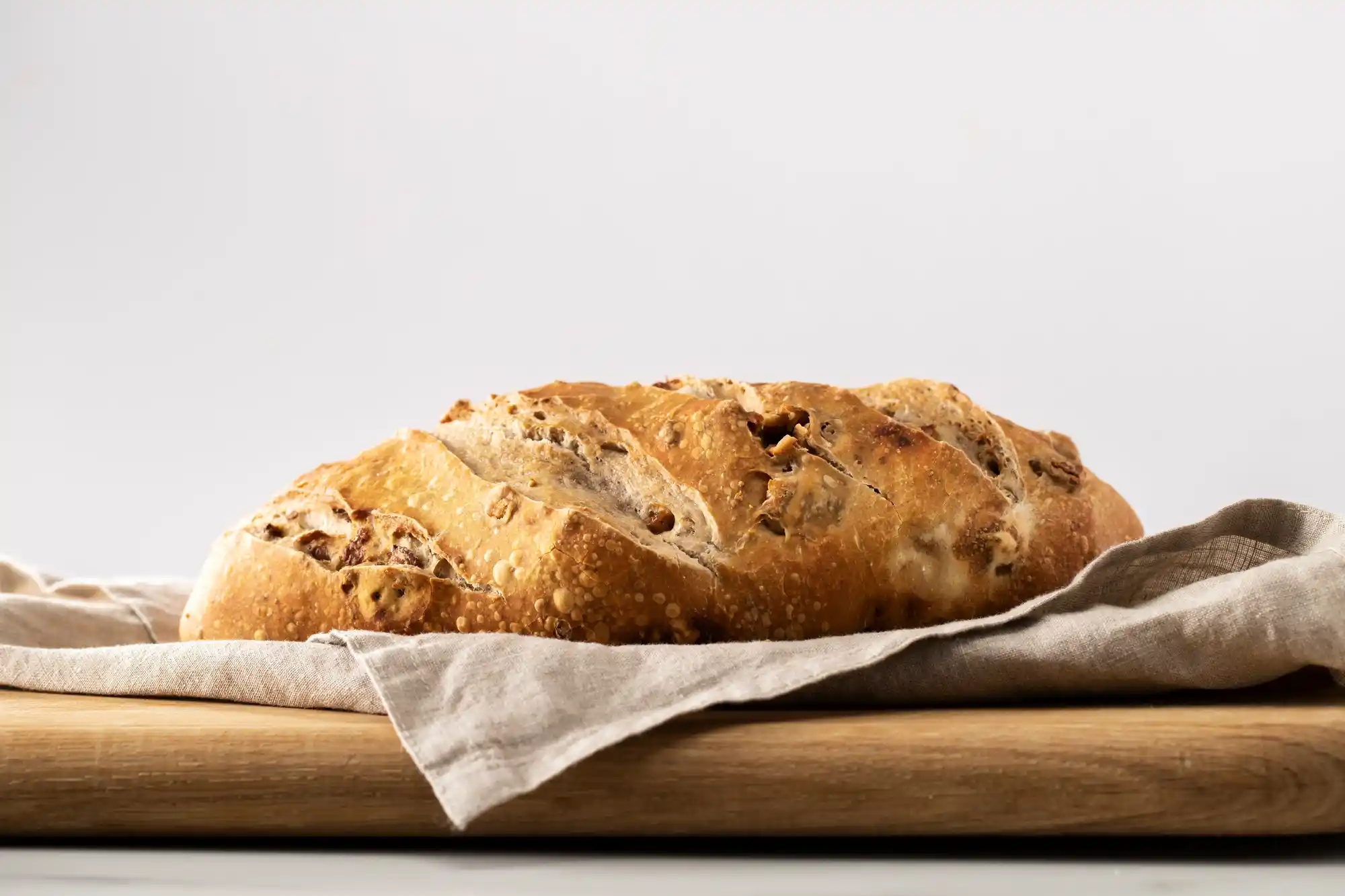
Sourdough represents a significant step in complexity within any bread making course in Malaysia.
Instead of commercial yeast, students cultivate the sourdough microbiome wild yeast and bacteria through a sourdough starter. This living culture requires daily feeding and careful temperature management.
Training covers:
- Starter creation and maintenance – Building a healthy culture from flour and water
- Fermentation timing – Reading starter activity and dough readiness in tropical climates
- Flavour control – Adjusting acidity through temperature and feeding schedules
- Scoring techniques – Creating expansion patterns that control oven spring
Malaysia’s warm, humid climate affects sourdough fermentation differently than temperate regions. Students learn to adapt techniques for local conditions.
Sourdough failures are common during training. Starters die from neglect. Dough over-ferments in warm kitchens. These experiences build troubleshooting skills essential for professional consistency.
Enriched Breads and Laminated Dough
Professional bakeries produce more than rustic loaves.
Courses expand into enriched doughs containing butter, eggs, milk and sugar. These ingredients change dough behaviour completely.
Students work with brioche, challah and milk bread. Each requires adjusted mixing methods and longer fermentation due to fat interference with gluten development.
Laminated dough takes this further. Butter is folded into dough repeatedly to create distinct layers.
This technique appears in croissants, Danish pastries and other viennoiserie products. Many programmes in Malaysia integrate this with broader pastry training, as seen in specialised croissant making course modules.
Precision matters intensely here. Butter temperature, dough temperature and folding technique must align perfectly or layers fuse together.
Commercial Production and Batch Consistency
Home baking allows for experimentation. Commercial baking demands replication.
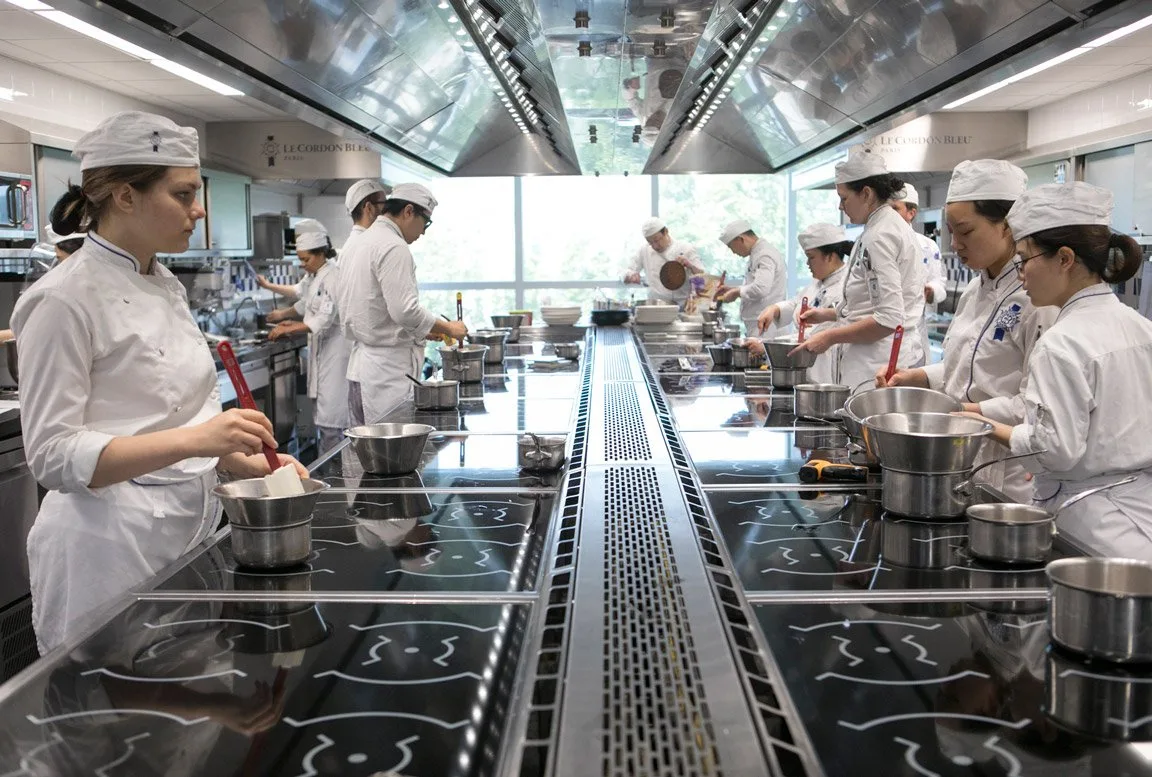
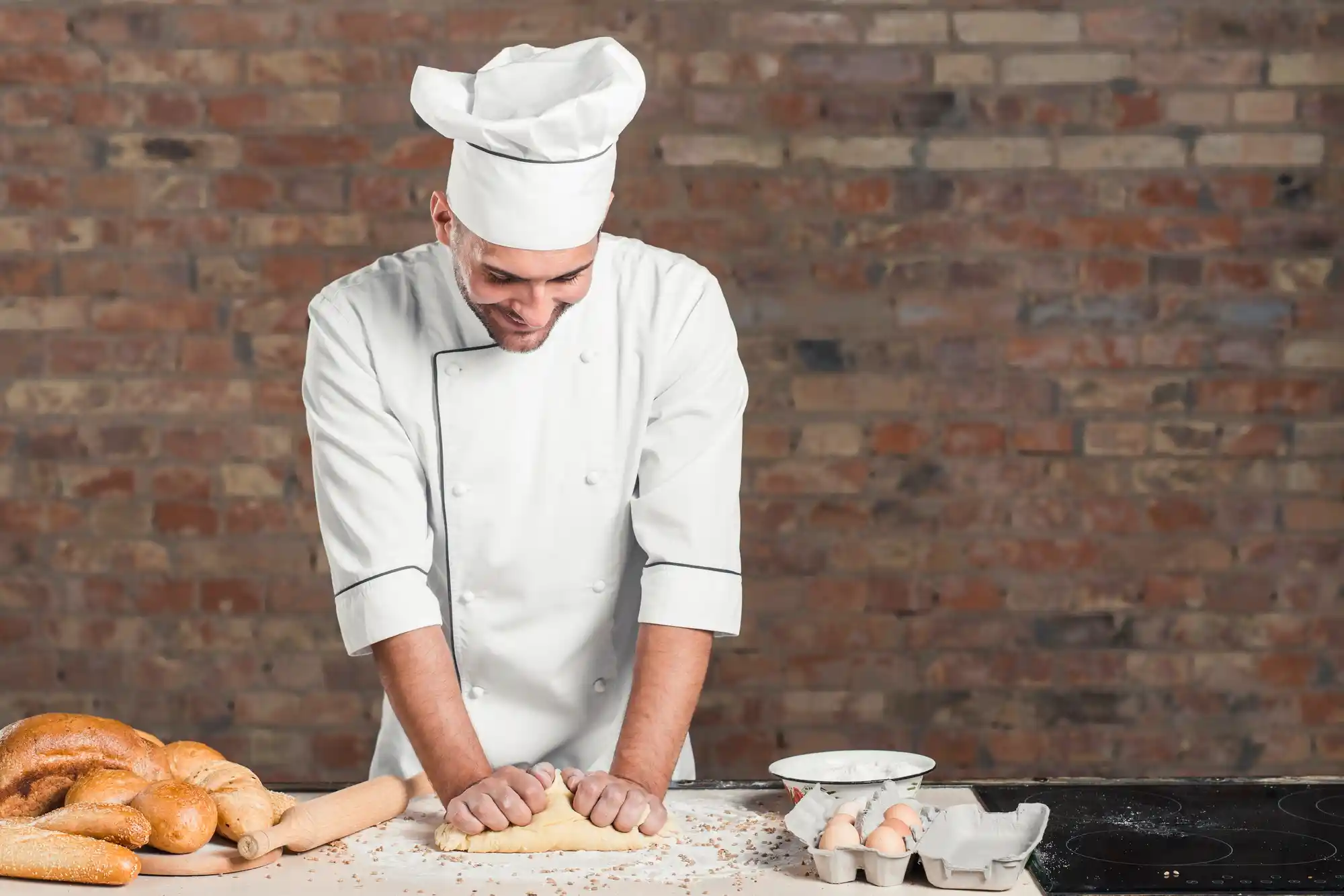
Bread making courses prepare students for production environments where consistency across batches is non-negotiable.
Training includes:
| Production Skill | What Students Learn |
|---|---|
| Scaling recipes | Converting small-batch formulas to commercial volumes while maintaining ratios |
| Batch timing | Staggering production so fresh bread is available throughout service hours |
| Quality control | Identifying acceptable variation versus product failure |
| Equipment operation | Using commercial mixers, proofers and deck ovens safely and efficiently |
Students learn to maintain production flow even when individual loaves fail. Speed increases through repetition without sacrificing quality standards.
Troubleshooting Common Dough Failures
Professional bakers must diagnose problems quickly.
Courses dedicate significant time to understanding why dough behaves unexpectedly and how to correct issues mid-production.
Dense, Heavy Loaves
Caused by insufficient gluten development, under-proofing or oven temperature too low. Students learn to adjust mixing time and fermentation duration.
Flat, Spread-Out Dough
Result of over-proofing or weak gluten structure. Training emphasises recognising optimal fermentation endpoints.
Pale, Thick Crust
Indicates inadequate steam in the oven or insufficient baking time. Students practice steam injection techniques.
Uneven Crumb Structure
Often caused by poor shaping or uneven fermentation. Proper degassing and tension-building techniques are reinforced.
These failures are intentionally created during training so students recognise them instantly in professional settings.
What Professional Programmes Add Beyond Bread
Standalone bread making workshops exist, but comprehensive professional training integrates bread within broader bakery education.
Diploma programmes combine bread making with pastry, viennoiserie and business skills. This reflects how commercial bakeries actually operate.
Students gain:
- Menu development skills to create balanced product offerings
- Cost calculation and pricing strategies for a baking course to start a bakery business
- Food safety and hygiene standards required for commercial licensing
- Customer service and retail bakery operations
This integrated approach appears in programmes like those detailed in the Complete Guide to Pastry and Baking, where bread making forms one component of comprehensive culinary training.
Professional readiness requires more than technical bread skills. It demands understanding how bread production fits within overall bakery workflow and profitability.
From Technique to Professional Capability
A bread making course in Malaysia moves students from basic dough handling to commercial production capability.
The progression is deliberate. Straight doughs build foundational skills. Pre-ferments introduce flavour complexity. Sourdough develops patience and observation. Enriched doughs demand precision. Commercial training ensures consistency.
By the end, students understand not just how to make bread, but how to produce it reliably within professional kitchen environments where timing, quality and efficiency determine success.
Visit Le Cordon Bleu Sunway Malaysia to explore how professional training can transform your baking capability.