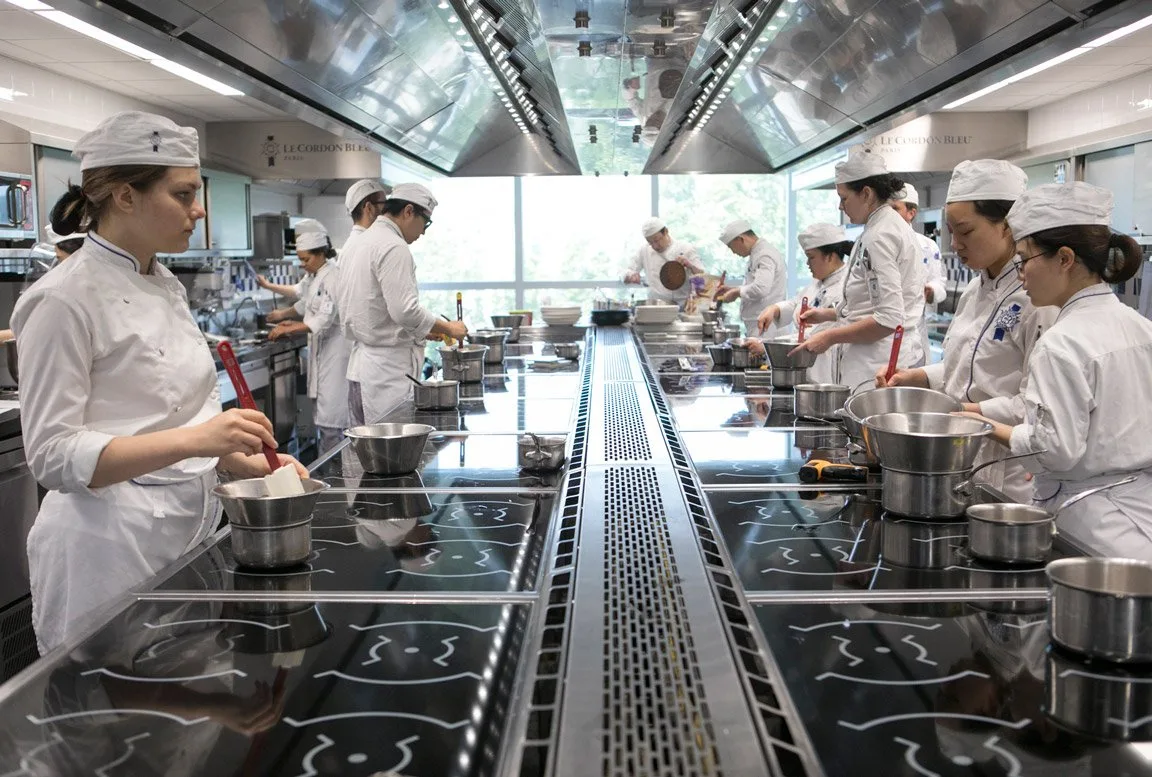
A professional kitchen classroom is not a theoretical learning space. It operates as a controlled replica of a commercial kitchen, where structure, timing, discipline, and execution standards mirror real industry conditions.
For culinary students, the transition from classroom to restaurant is less about learning new concepts and more about adapting to intensity. This is intentional. Culinary training is designed to remove the gap between education and professional kitchen reality.
This article explains how kitchen classrooms are structured and how they replicate real industry workflows from day one.
Key Points
- Culinary training environments replicate real commercial kitchen systems and hierarchy
- Students operate under time pressure and station-based responsibilities
- Discipline, hygiene, and safety are enforced as non-negotiable standards
- Industry-grade equipment is used to simulate real working conditions
- Repetition and structured feedback build speed, accuracy, and consistency
What a Professional Kitchen Classroom Is Designed to Do
A professional kitchen classroom is built to simulate the working structure of a real restaurant kitchen.
It typically includes:
- Station-based layout (hot kitchen, cold kitchen, pastry, prep)
- Defined hierarchy similar to a brigade system
- Scheduled “service” sessions with time constraints
- Supervised workflow with performance evaluation
The objective is not just culinary knowledge. It is operational readiness within a structured, high-pressure environment.
Kitchen Hierarchy and the Brigade System
Most culinary training environments follow a structured hierarchy based on the classical brigade system.
Typical structure includes:
- Instructor acting as executive chef
- Station supervisors managing specific sections
- Students assigned to defined roles per session
This system teaches:
- Clear communication under pressure
- Respect for task ownership and responsibility
- Coordination between multiple kitchen stations
The focus is discipline within structure, reflecting how professional kitchens operate during service hours.
How Workflow Mirrors Real Restaurant Operations
Workflow in a kitchen classroom is deliberately designed to replicate commercial service conditions.
Key elements include:
- Pre-service preparation lists
- Time-controlled cooking execution
- Simulated order tickets during service sessions
- Multi-station coordination during peak periods
Students are trained to operate within timing constraints where delays affect the entire system, not just individual tasks.
This builds awareness that kitchen performance is collective, not individual.
Discipline, Hygiene, and Safety Standards
Culinary training environments enforce strict operational discipline.
Standards include:
- Mandatory hygiene checks before entry into kitchen
- Proper uniform and grooming compliance
- Continuous workstation cleaning during use
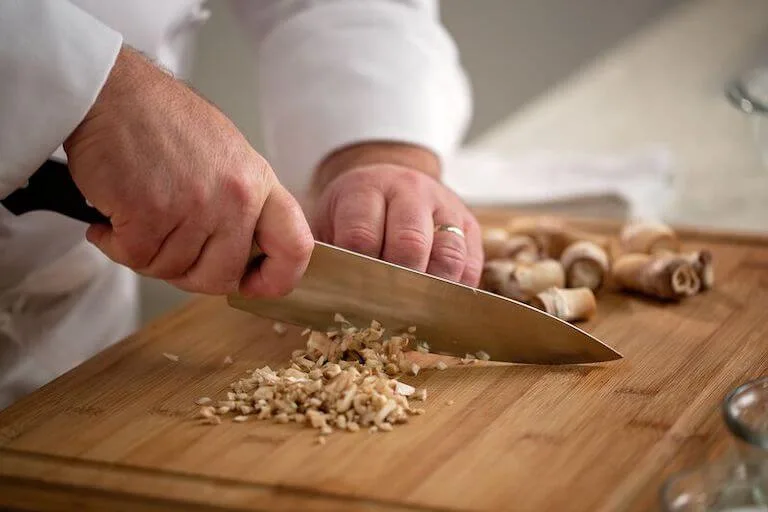
- Safe handling of knives, heat, and equipment
These requirements reflect real-world food safety regulations and kitchen audit expectations.
Consistency in discipline reduces operational risk and builds professional habits early.
Industry-Grade Equipment Exposure
A key part of culinary training is exposure to professional-grade kitchen tools.
Students regularly work with:
- Commercial ovens and stovetops
- Industrial mixers and prep equipment
- Precision weighing and measuring tools
- Cold storage and ingredient handling systems
This ensures familiarity with real kitchen environments before entering employment.
It also reduces operational errors during early career stages.
Repetition as a Core Learning Method
Culinary training relies heavily on repetition as a skill-building mechanism.
Students are expected to:
- Repeat core techniques until consistency is achieved
- Refine timing across multiple attempts
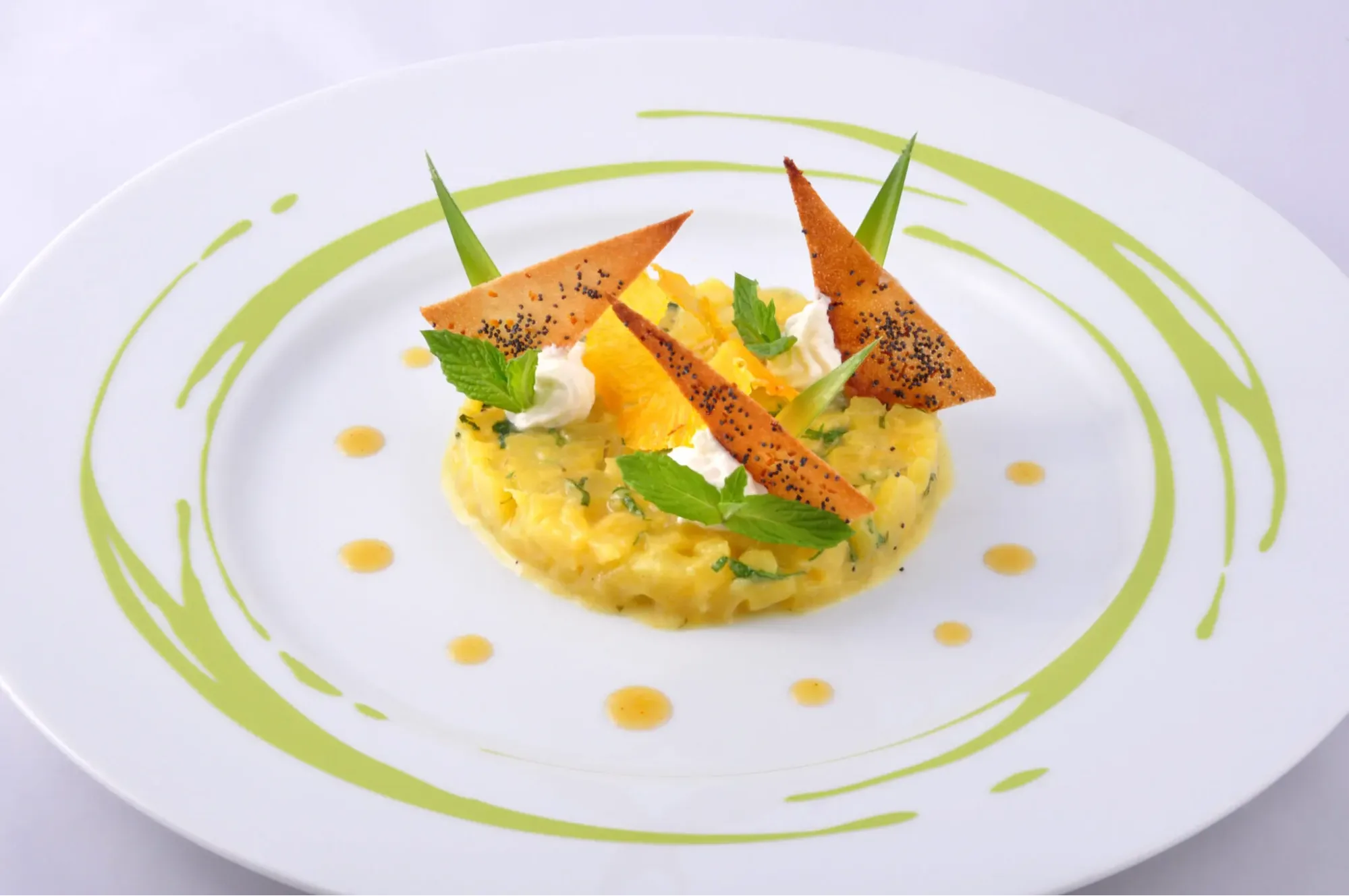
- Improve plating precision under supervision
- Build speed without compromising quality
Repetition develops muscle memory, which is essential in fast-paced service environments.
Over time, execution becomes more consistent and less dependent on conscious effort.
Pressure Simulation and Real Service Conditions
Kitchen classrooms simulate real service pressure to prepare students for industry conditions.
This includes:
- Strict timing for dish completion
- Multiple simultaneous orders
- Instructor-led live service evaluation
- Real-time correction during execution
The purpose is to replicate restaurant-level pressure where performance is measured in speed, accuracy, and consistency.
Communication and Team Coordination
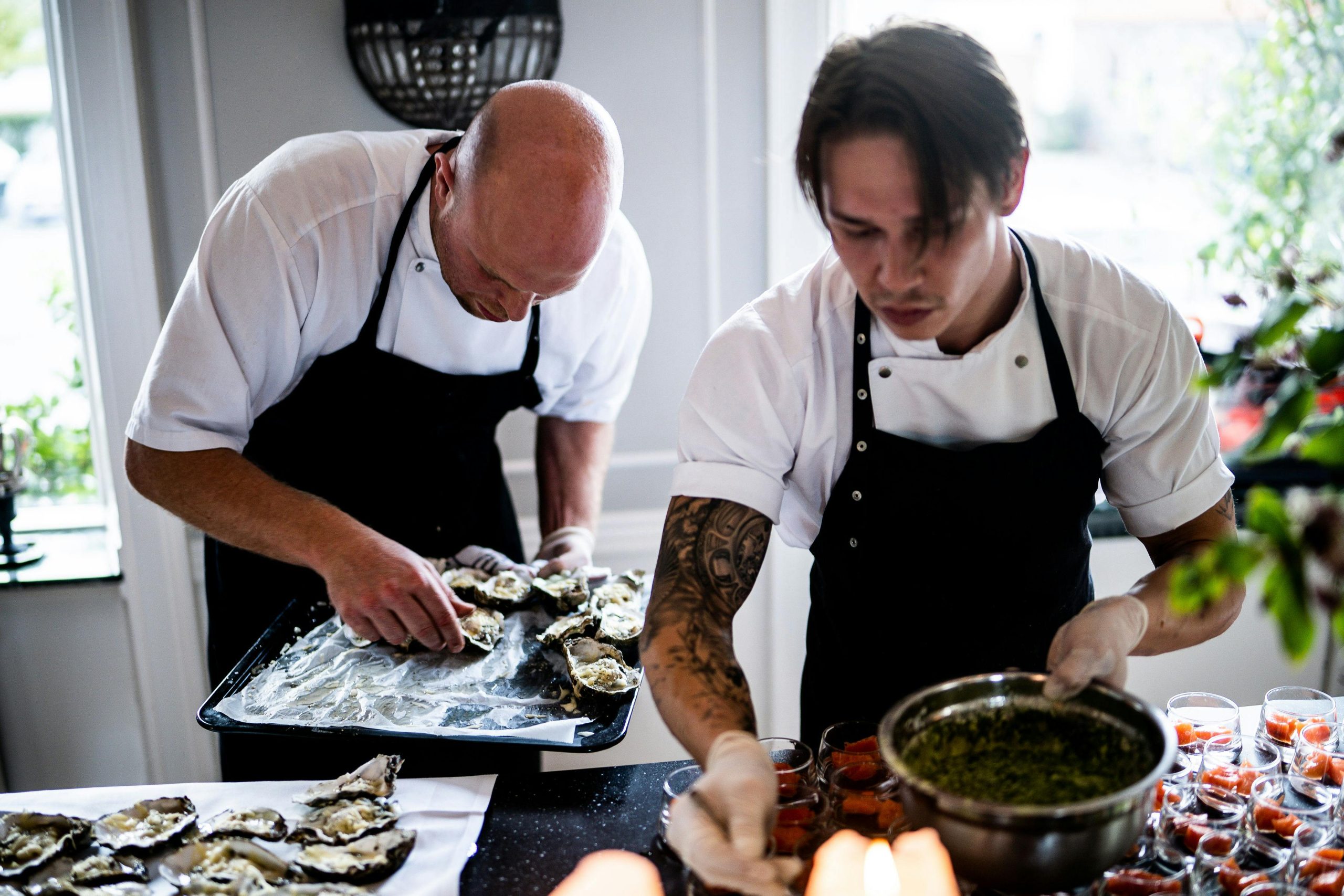
Professional kitchens operate as coordinated teams rather than individual cooks.
Training environments develop:
- Clear and fast communication during service
- Coordination between different kitchen stations
- Responsiveness to instructions under pressure
- Support for overall kitchen output
Communication breakdowns are treated as operational failures, reflecting real kitchen consequences.
Why This Training Model Is Effective
A kitchen classroom structured this way reduces the gap between training and employment.
By the time students graduate, they already understand:
- Kitchen hierarchy and workflow systems
- Real-time service pressure
- Hygiene and safety compliance standards
- Equipment handling in professional environments
This leads to smoother transition into professional kitchens and improved employability in the culinary industry.
Final Thoughts
A professional kitchen classroom is designed to replicate real industry workflows as closely as possible.
It is not focused only on cooking skills but on operational discipline, timing, teamwork, and execution under pressure.
For culinary students, this training model ensures readiness for real kitchen environments where performance depends on structure, consistency, and coordination rather than theory alone.