Before you can plate a refined dish with confidence, you need to master the fundamentals that sit underneath it.
The Diplôme de Cuisine techniques taught at Le Cordon Bleu build on core French cooking techniques, taking you from basic knife work to advanced, creative cooking in structured stages.
This article breaks down exactly what you learn at each level, so you know what to expect before you enrol.
Key Takeaways
- The Diplôme de Cuisine is structured across three progressive levels: Basic, Intermediate and Superior
- Core Diplôme de Cuisine techniques include knife skills, mise en place, classical cooking methods and food safety practices
- Later stages introduce international cuisine, modern techniques such as sous-vide and refined plating
- No prior professional cooking experience is required, though minimum academic and English language requirements apply
Why This Diplôme Starts With a Knife, Not a Recipe
Most people assume culinary training begins with recipes. It does not.
It begins with your hands, your knife and your ability to work cleanly and efficiently in a professional kitchen environment.
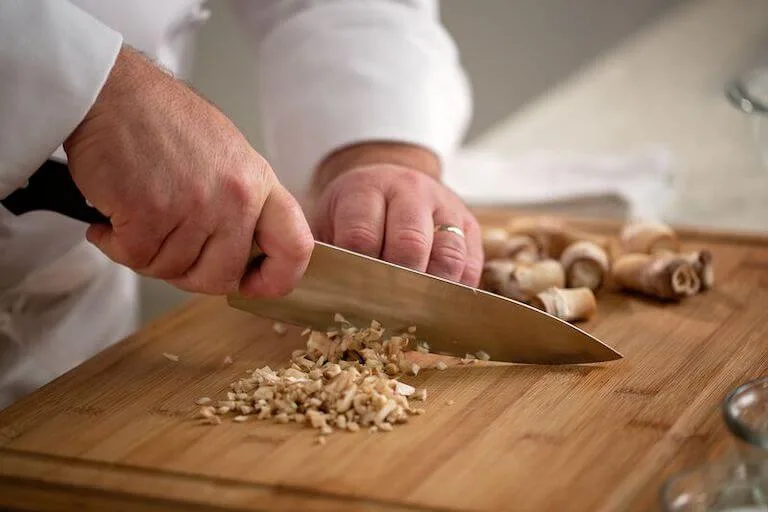
At the Basic level of the Diplôme de Cuisine, students are introduced to professional knife handling, including understanding which knife suits which task and practising the different cuts used throughout classical French cooking.
This includes preliminary preparation of vegetables, fish and meat, taught through repeated practice rather than a single demonstration.
Alongside knife work, students learn mise en place, the systematic organisation and preparation of ingredients before cooking begins.
It sounds simple, but it is one of the most important habits a professional cook develops and it underpins everything that follows in the programme.
Food safety and hygiene, along with personal kitchen organisation, are also introduced early. These are not treated as separate compliance topics but as part of how a competent cook is expected to work every single day.
Building Your Foundation With Core Methods
Once the basics are in place, the Basic Cuisine certificate expands into the core cooking methods that appear across almost every cuisine in the world.
These techniques are taught through chef demonstrations followed by supervised practical sessions, giving students the chance to watch a method performed correctly before attempting it themselves.
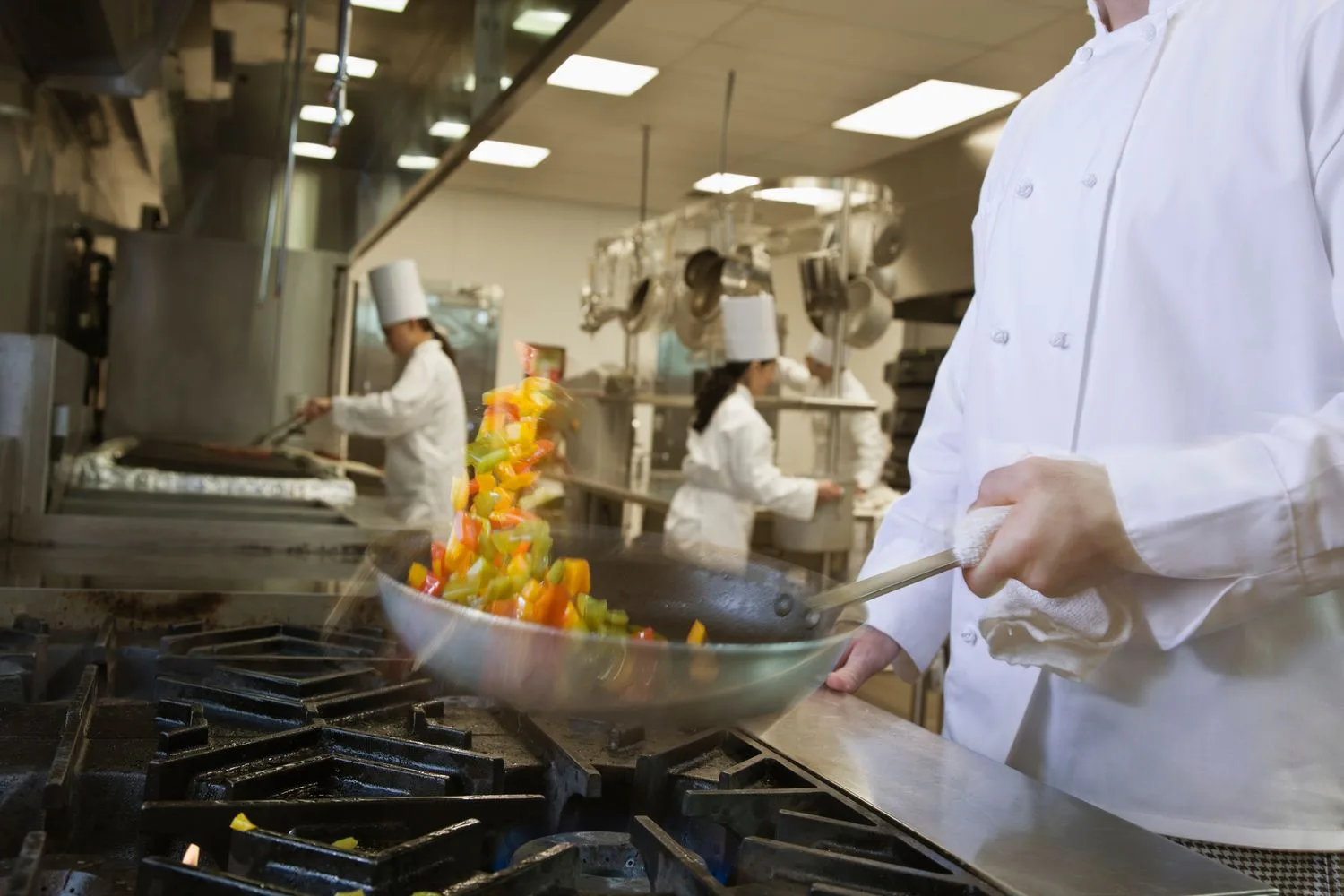
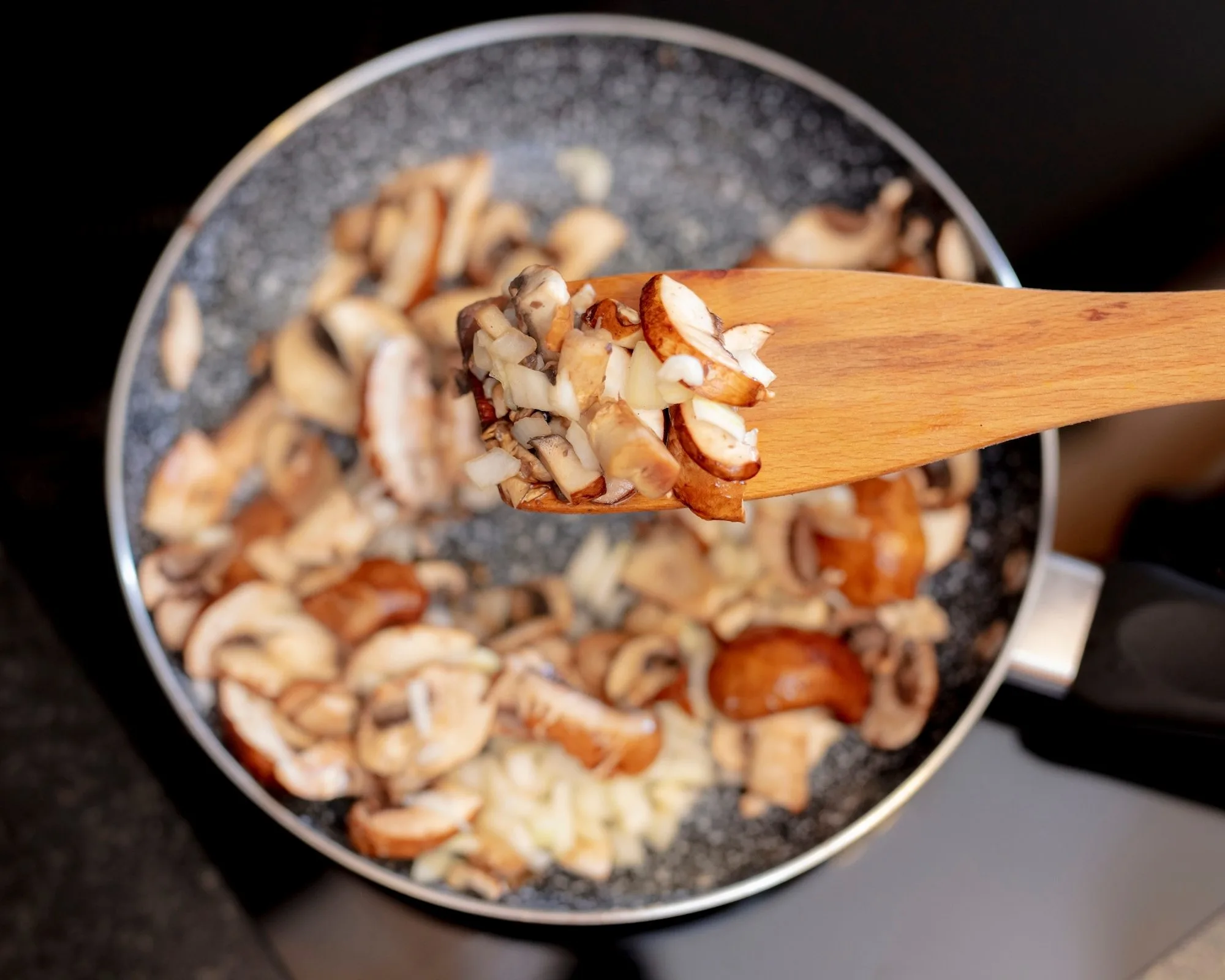
Sautéing
Cooking quickly over direct heat with a small amount of fat, used to develop colour and flavour while keeping ingredients tender.
Braising
A slower, moisture-based method that softens tougher cuts of meat and vegetables over extended cooking times, building deep, layered flavour.
Poaching and Simmering
Gentle, controlled cooking in liquid, often used for delicate proteins and eggs where precision matters more than speed.
Roasting
Dry heat cooking that relies on oven temperature and timing to achieve consistent results across different cuts and sizes.
Sous-vide
A modern technique involving precisely controlled water temperature, used to achieve consistent doneness that is difficult to replicate with traditional methods alone.
These methods are not taught in isolation. Students learn to diagnose why a dish has not turned out as expected and adjust technique accordingly, which is a skill that matters far more than memorising a single recipe.
How the Three Levels Progress
The Diplôme de Cuisine is structured across three certificates, each building on the one before it.
Understanding what changes between levels helps explain why full diploma training takes the time it does to complete.
| Level | Focus | Typical Techniques Introduced |
|---|---|---|
| Basic | Foundations | Knife skills, mise en place, core cooking methods, food safety |
| Intermediate | Expansion | Broader classical techniques, sauce work, international dishes |
| Superior | Refinement | Advanced plating, seasonal menu design, creative composition |
At the Intermediate stage, students extend their repertoire into a wider range of classical and contemporary methods, alongside a first proper introduction to international cuisine styles beyond traditional French cooking.
By the Superior level, the focus shifts towards creativity and refinement. Students work on seasonal and market-driven menu planning, more advanced presentation techniques and dishes that require greater judgement rather than just correct execution.
Across all three levels, the weekly structure typically combines chef demonstrations with hands-on practical classes and supporting theory, reflecting a training format built around observation followed by repetition.
The Techniques Nobody Tells You Also Matter
A lot of attention goes to knife skills and cooking methods, and rightly so. But several other techniques quietly shape how well a student performs once qualified.
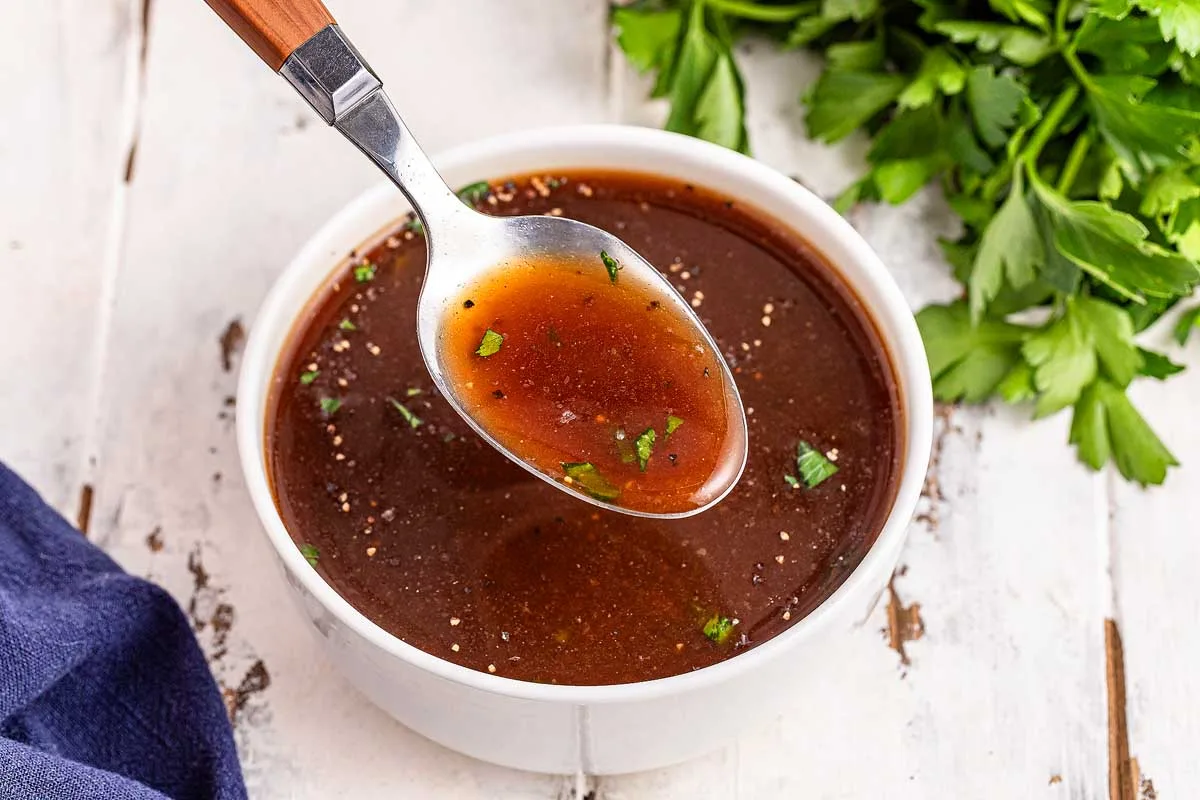
Stock and Jus Preparation
Building flavour from the ground up using bones, aromatics and time, forming the base for sauces and soups used throughout the culinary arts.
Sauce Work
Understanding classical sauce families and how they are adapted, thickened or finished, giving students a framework rather than a fixed list of recipes.
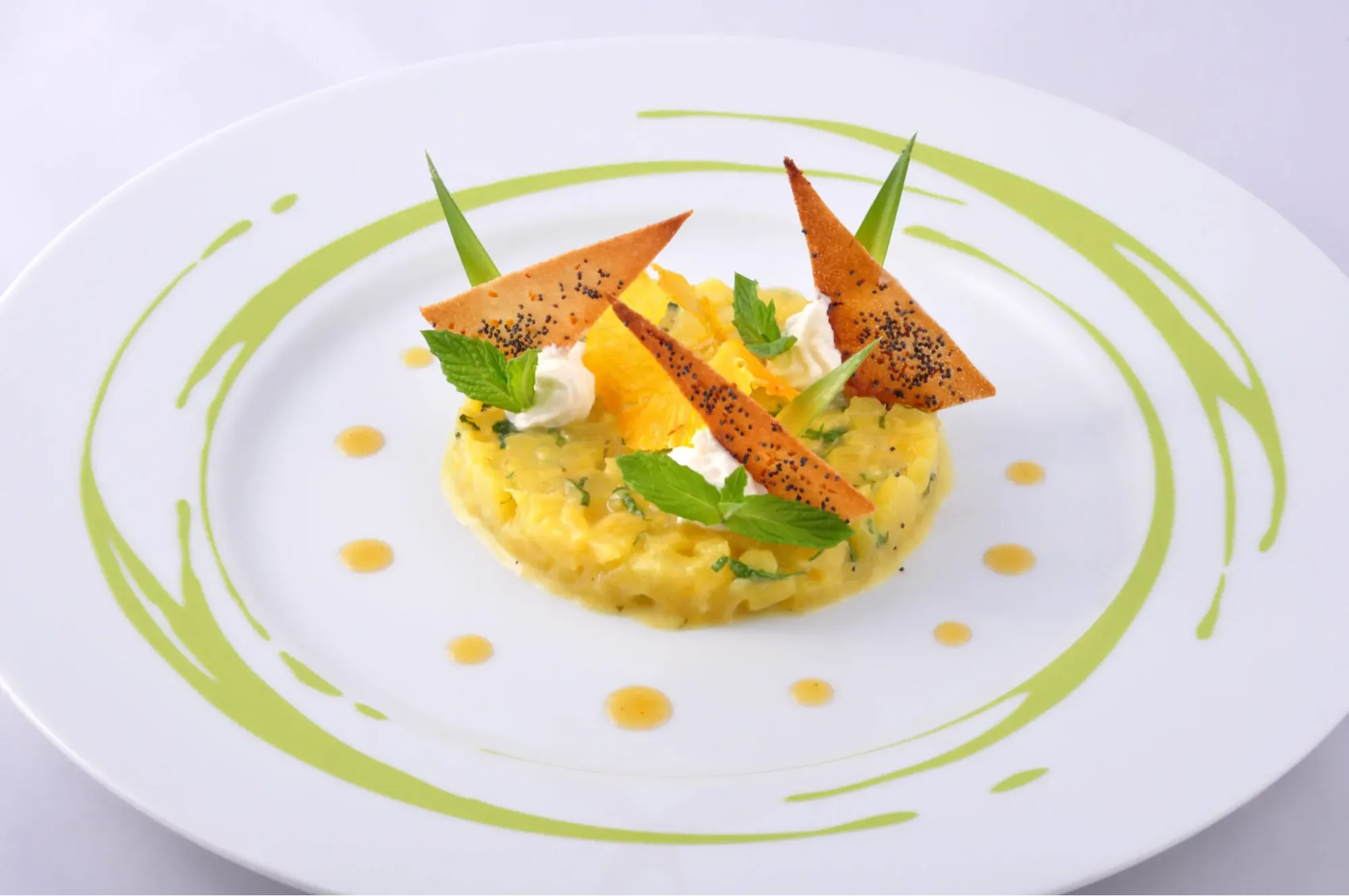
Plating and Presentation
How a dish is composed visually, with attention to balance, colour and portioning, particularly emphasised at the Intermediate and Superior levels.
Pastry Integration
Selected pastry methods integrated into the Diplôme de Cuisine, applying techniques such as dough work or cream preparation to both sweet and savoury contexts, which becomes especially relevant for students progressing towards the Grand Diplôme.
These techniques often make the difference between a competent dish and a genuinely refined one, even though they rarely get top billing in course descriptions.
What This Diploma Actually Prepares You For
This diploma is not a collection of recipes to memorise. It teaches technique, organisation and judgement, applicable to classical French, international or Malaysian cooking alike.
No prior kitchen experience is needed, only the right qualifications, English proficiency and genuine interest.
In Malaysia, this becomes real workplace skill, from mise en place discipline to plating standards in hotel and restaurant service.
Graduates leave with a technical foundation recognised well beyond a single restaurant or cuisine style, especially those who continue into the combined Grand Diplôme pathway.
Ready to build these techniques from the ground up? Visit Le Cordon Bleu Sunway to find out more about the Diplôme de Cuisine.
Frequently Asked Questions
What is the Diplôme de Cuisine?
The Diplôme de Cuisine is a structured culinary qualification that teaches classical French techniques alongside international cooking methods. It progresses through three levels, from foundational skills such as knife work and basic cooking methods to more advanced, creative techniques.
It is designed to build transferable cooking skills rather than teach a fixed set of recipes.
What techniques are included in the programme?
The programme typically includes knife skills, mise en place, core cooking methods such as sautéing, braising and poaching, food safety practices, sauce and stock preparation and plating techniques. Later levels introduce international cuisine, sous-vide cooking and more advanced presentation.
Exact content may vary slightly depending on the specific campus and current curriculum.
Who is the Diplôme de Cuisine suitable for?
It suits career changers, school leavers and hospitality professionals who want formal, structured culinary training. No prior professional cooking experience is required, though minimum academic qualifications and English proficiency are typically expected.
It is generally most suitable for those genuinely committed to working in professional kitchens or the food industry.
When should I start planning to enrol?
It is worth starting your research and preparing documentation, such as academic transcripts and English proficiency evidence, several months before your intended intake. Timelines can vary depending on individual circumstances and intake availability.
Reaching out early gives you time to ask questions and plan around the programme’s structure.
How long does the Diplôme de Cuisine take to complete?
Completion time depends on the campus and study format, with some programmes completed in around nine months for local students, though this can extend for international students or intensive formats.
The programme is delivered through a mix of demonstrations, practical sessions and theory classes each week. Specific durations should be confirmed directly with the institute.
Do I need prior cooking experience to enrol?
Prior professional cooking experience is generally not required to begin the Diplôme de Cuisine. Admission typically depends on meeting minimum academic and English language requirements, along with demonstrated interest in culinary arts.
This is a common misconception that sometimes discourages capable beginners from applying.
How do I choose the right culinary school for this diploma?
Consider the school’s teaching format, the balance between demonstration and hands-on practice and how the curriculum progresses across levels. It also helps to look at facilities, campus environment and how the programme connects to further pathways such as the Grand Diplôme.
Speaking directly with admissions staff can clarify whether the structure suits your goals.
What Diplôme de Cuisine techniques will I actually use in a professional kitchen?
The Diplôme de Cuisine techniques most directly applied in professional kitchens include knife skills, mise en place discipline, classical cooking methods and plating standards.
These form the daily working vocabulary of restaurant, hotel and catering kitchens. Students also carry forward sauce and stock knowledge, which underpins menu planning across many cuisine styles.