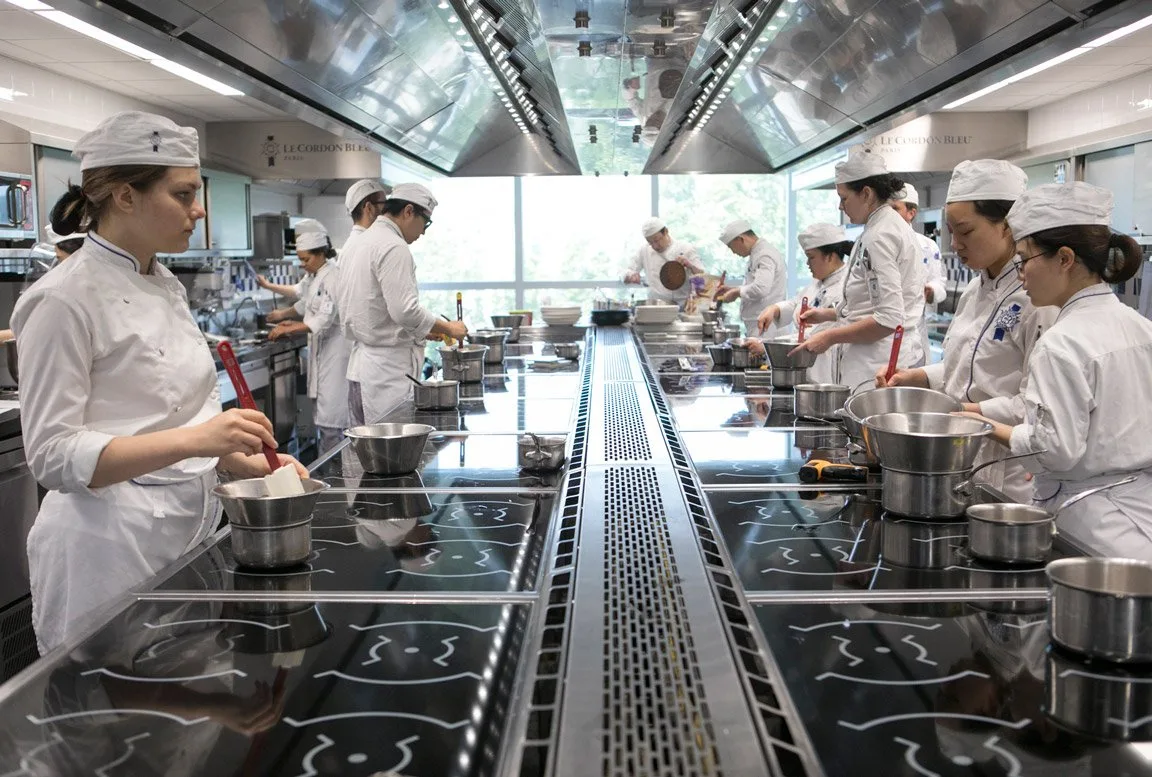

There is a reason croissants are notoriously difficult to get right. The layers, the shear, the honeycomb crumb when you pull one apart – none of that happens by accident. It happens through a precise sequence of lamination, temperature control and timing that takes real instruction to understand. If your croissants have been coming out dense, greasy or flat, it is not a recipe problem.
It is a technique problem, and that is exactly what a structured croissant making course in Malaysia is designed to fix. Whether you are a home baker chasing bakery-standard results, a café owner looking to standardise quality or a pastry professional adding viennoiserie to your skill set, this guide covers everything you need to know before enrolling.
What You Will Take Away
- Croissant courses in Malaysia range from beginner-friendly workshops to professionally structured training, with options available across different price points and durations
- Laminated dough mastery is the core skill taught, covering butter temperature control, folding sequences and proofing techniques adapted for Malaysia’s humid climate
- Most workshops bundle multiple viennoiserie items such as croissants and pain au chocolat, teaching transferable shaping and baking skills across the full category
- Choosing the right course depends on your skill level, time availability, budget and whether you need accredited training or a focused short workshop
Why Croissant Training is Crucial in Malaysia
Viennoiserie skills open real commercial and creative opportunities for Malaysian bakers. Cafés and artisan bakeries are increasingly featuring croissants, danishes and laminated pastries on their menus, and consistent quality requires trained staff who understand exactly how laminated dough behaves under local conditions.
For home bakers, croissant training transforms trial-and-error guesswork into repeatable, professional-quality results that can support a side business, build a social media presence or simply give you the satisfaction of producing something genuinely world-class from your own kitchen.
Malaysia’s humid climate presents specific challenges for butter lamination and dough handling that generic recipes and YouTube tutorials do not address. Local courses are built around these realities, teaching humidity-adapted techniques alongside foundational viennoiserie skills.
What Laminated Dough Training Covers
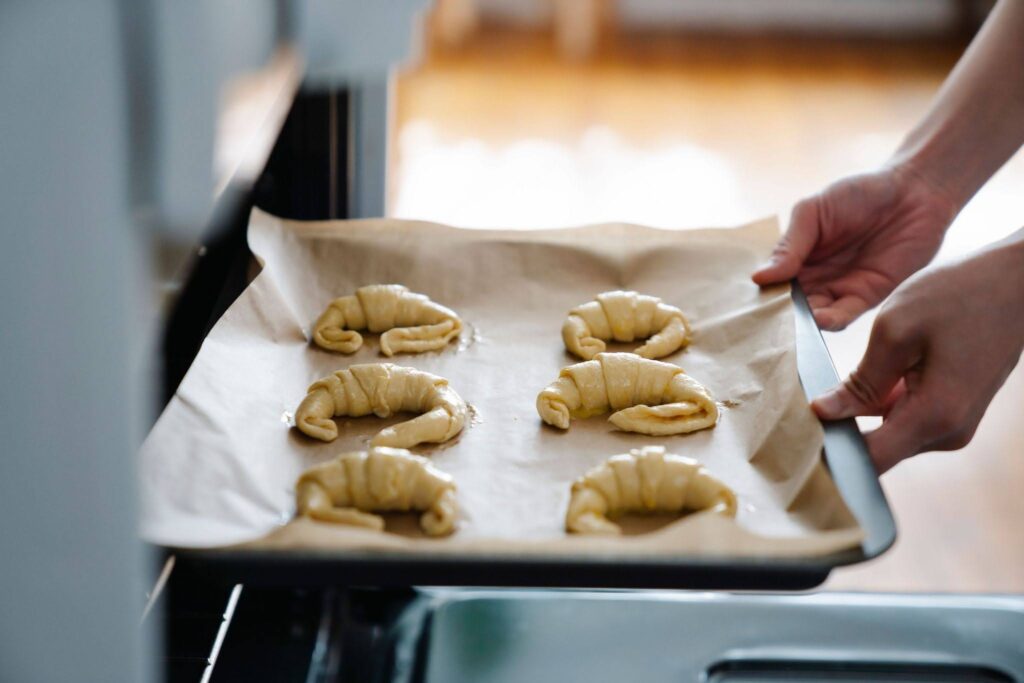
Laminated dough is the technical foundation of all viennoiseries. Every croissant, danish and pain au chocolat starts from the same principle: butter and dough repeatedly folded together to create thin, alternating layers that expand into flaky pastry during baking.
Core Technical Skills Taught in Croissant Courses
- Butter incorporation – selecting the right butter fat content and preparing the beurrage block correctly
- Folding sequences – understanding single folds, double folds and how the number of layers affects texture
- Temperature control – keeping butter pliable without melting, the defining challenge in Malaysian kitchens
- Fermentation management – controlling proofing speed and knowing when the dough is ready to bake
- Shaping techniques – rolling, cutting and shaping croissants, pain au chocolat and danishes with consistent sizing
- Baking temperatures – achieving a golden, crisp exterior with a tender, open crumb interior
Each of these skills is interconnected. A croissant that fails at the shaping stage often fails earlier at the lamination stage, which is why hands-on instruction with real-time feedback from an experienced instructor makes such a measurable difference compared to self-directed practice.
How Malaysian Humidity Affects Croissant Making
This is the variable that trips up most Malaysian home bakers attempting viennoiserie from international recipes. Warmth and humidity soften butter, accelerate dough fermentation and compress the working window available between folds.
How Courses Address the Malaysian Climate
- Teaching the use of chilled work surfaces and cold equipment to extend the lamination window
- Shortening resting periods between folds to prevent over-fermentation
- Adjusting butter selection to higher-fat European-style varieties that hold structure better in heat
- Using temperature-controlled proofing environments to manage the final rise
- Recognising the visual and tactile signs that dough is ready versus overproofed in humid conditions
These adaptations are not covered in most international croissant tutorials, which assume a temperate kitchen environment. Local instruction built around Malaysian conditions is one of the most practical advantages of enrolling in a course here rather than following overseas guides.
Course Formats Available in Malaysia
Understanding the different course formats helps you choose the right investment for your current goals and schedule.
Course Type Comparison
Course Type | Typical Duration | Best For | Accreditation |
Beginner Workshop | 1 full day | Complete novices, home bakers | Sometimes available |
Premium Short Course | 6 hours | Time-pressed hobbyists, small business owners | Rarely |
Professional Training | Multi-session | Career switchers, bakery staff, café owners | Often available |
Beginner Workshops
Beginner workshops are designed for complete novices with no prior pastry experience. They typically cover classic croissant production from start to finish in a single day, with step-by-step guidance through every stage of the lamination process.
These are the most accessible entry points for home bakers and career changers who want to understand the fundamentals before committing to longer programmes.
Premium Short Courses
Premium short courses, such as the six-hour croissant and pain au chocolat workshop offered at Le Cordon Bleu Malaysia, cater to time-constrained learners seeking high-quality instruction without long-term commitment.
These sessions move at a professional pace and are best suited to learners who already have some baking confidence and want focused, expert-led training in a condensed format.
Professional Multi-Session Training
Professional programmes span multiple sessions and cover the full viennoiserie range, including danishes, kouign-amann and seasonal variations.
These are the most appropriate format for bakery staff, café owners and pastry professionals who need comprehensive, production-level competence across the entire laminated dough category.
Real-World Application: Café Owners and Bakery Staff
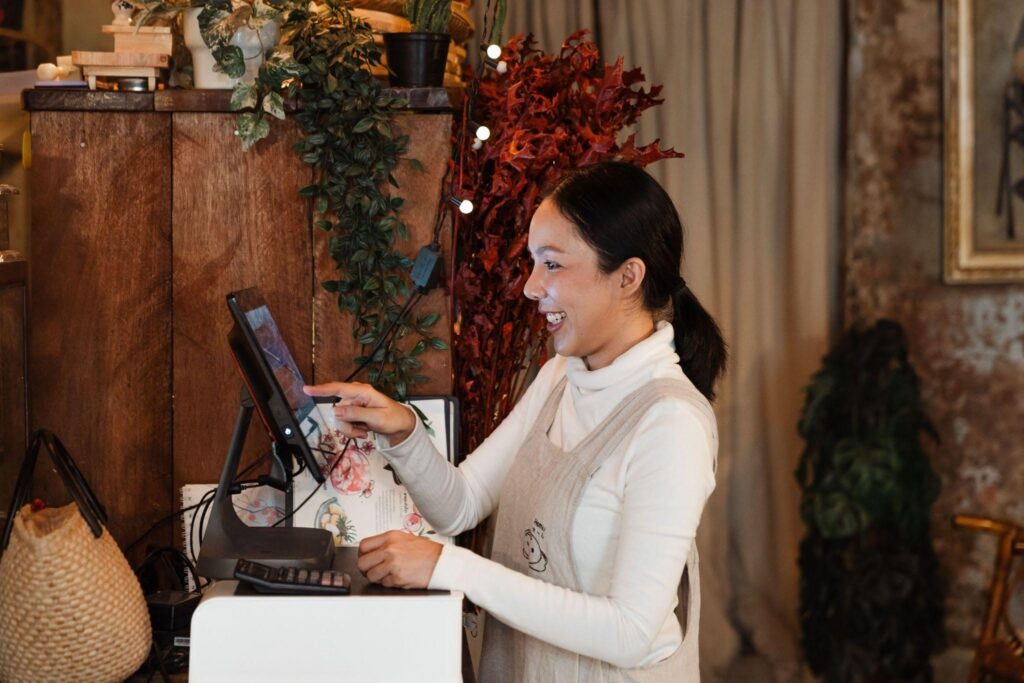
A boutique café in Kuala Lumpur sent two staff members to a six-hour viennoiserie workshop to standardise croissant quality across morning service. After training, the café reduced waste from failed batches, improved consistency across shifts and saw measurable improvement in customer satisfaction with the texture and flavour of their croissants.
For bakery staff, croissant training provides a clear skill progression. Employees move from basic croissant production to pain au chocolat, then to danishes and seasonal viennoiserie, increasing menu versatility and production efficiency in ways that directly affect the business’s bottom line.
For individual bakers building a home-based brand or preparing to launch a pastry business, structured viennoiserie training is one of the fastest ways to differentiate your product offering in a competitive market.
Common Misconceptions About Croissant Courses
Myth: You need prior baking experience to join a croissant course.
Reality: Many Malaysian croissant courses are explicitly designed for complete beginners, teaching foundational lamination skills from scratch with no prior pastry knowledge assumed. If you are new to baking, look for courses that clearly state they welcome novices.
Myth: All croissant courses teach the same things.
Reality: Malaysian providers differ significantly in duration, price, teaching methodology, class size and the range of viennoiserie items covered. A six-hour premium workshop and a multi-day professional programme are fundamentally different learning experiences even if both teach croissant production.
Myth: Laminated dough cannot be mastered in humid climates.
Reality: With the right techniques, equipment and instruction, consistent viennoiserie production is entirely achievable in Malaysian kitchens. Courses here are specifically built around humidity management, which actually gives locally trained bakers a practical advantage when adapting international recipes.
Myth: Short courses are not worth the investment.
Reality: A well-structured six-hour workshop with an experienced instructor can eliminate months of failed attempts and wasted ingredients. The return on investment for a focused short course is often faster than most learners expect.
How to Choose the Right Croissant Making Course in Malaysia
Step 1 – Assess Your Skill Level and Goals
Complete beginners should prioritise courses that explicitly welcome novices and provide step-by-step instruction throughout. Those with some baking experience who want to refine their lamination technique or add specific viennoiserie items to their repertoire are well suited to premium short courses.
Bakery owners and professionals looking to build production-level competence should consider multi-session programmes.
Step 2 – Consider Your Time and Budget
Six-hour premium workshops suit working adults who want concentrated, high-quality instruction without ongoing time commitments. Multi-day programmes require greater schedule flexibility but deliver broader skill coverage and more hands-on practice time overall.
Step 3 – Verify Accreditation If Relevant
If you or your employer require accredited training for professional development purposes, confirm this with the institution before enrolling. Not all short courses carry formal accreditation, and this matters if you are seeking employer-sponsored training support.
Step 4 – Evaluate the Instructor and Facilities
Ask about instructor credentials and teaching methodology. Professional-grade equipment, quality ingredients and a low student-to-instructor ratio all contribute significantly to the learning experience and the quality of what you produce on the day.
Practical Checklist Before You Enrol
Use this checklist when evaluating any croissant making course in Malaysia:
- Is the course clearly suited to your skill level, whether beginner, intermediate or advanced?
- What viennoiserie items are covered – croissants only, or also pain au chocolat, danishes or other pastries?
- What is the class size and how much hands-on practice time does each student receive?
- What are the instructor’s qualifications and professional background?
- Are materials, tools and take-home products included in the course fee?
- Is the course held in a professionally equipped kitchen with appropriate temperature control?
- Does the course address Malaysia-specific challenges such as humidity and butter management?
Final Thoughts and Next Steps
Mastering viennoiserie through a structured croissant making course in Malaysia equips you with transferable skills for professional bakery work, café menus or home baking at a genuinely high standard. From laminated dough fundamentals to humidity-adapted techniques, quality instruction transforms ambition into consistent, flaky results that are hard to achieve any other way.
If you are ready to develop world-class pastry skills with expert instruction, explore the gourmet short courses and professional programmes available at Le Cordon Bleu Malaysia and take the first step towards viennoiserie mastery.
Frequently Asked Questions
Q: What is a croissant making course in Malaysia?
A: A croissant making course in Malaysia is a hands-on class that teaches dough mixing, butter lamination, shaping, proofing and baking techniques to produce flaky, buttery croissants consistently. Sessions range from six-hour premium workshops to multi-day professional programmes depending on the provider and level of training required.
Q: Are croissant courses in Malaysia suitable for complete beginners?
A: Yes. Many Malaysian providers offer beginner-friendly croissant courses that teach lamination skills from scratch with no prior pastry experience required. Look for courses that explicitly state they are designed for novices and include step-by-step practical instruction throughout the session.
Q: What viennoiserie items will I learn to make?
A: Most croissant courses cover classic croissants as the primary focus, with many bundling additional items such as pain au chocolat into the same session. More comprehensive multi-session programmes extend into danishes, kouign-amann and other laminated pastries to build a broader viennoiserie skill set.
Q: How does Malaysian humidity affect croissant making?
A: Warmth and humidity soften butter, accelerate dough fermentation and reduce the working window between folds. Malaysian croissant courses address these challenges directly by teaching chilled work surfaces, shorter resting periods and temperature-controlled proofing techniques to maintain butter integrity and dough structure throughout the lamination process.
Q: How much does a croissant course cost in Malaysia?
A: Pricing varies by format, institution and the range of viennoiserie items covered. Premium short courses at established culinary schools differ from beginner workshops and multi-session professional programmes, so it is worth contacting your chosen provider directly for current fees and what is included in the course.
Q: Where can I take a croissant making course in Malaysia?
A: Croissant courses are most commonly available in Kuala Lumpur, with established culinary institutions offering both short workshops and professional training programmes. Le Cordon Bleu Malaysia offers a six-hour croissant and pain au chocolat workshop as part of its gourmet short course series, taught by internationally trained chef-instructors.