
You want to bake professionally, but life is already full. Maybe you have a job you cannot walk away from, a family depending on your income, or a commute that eats half your day. The good news is that in Malaysia, you do not have to choose between building a career in pastry and keeping your life intact.
Both part-time and full-time baking programmes exist precisely for people at different stages, and understanding which one fits your reality right now could be the difference between completing your diploma and burning out halfway through. This guide lays out everything you need to make that call with confidence.
Key Takeaways
- Many Malaysian baking schools offer part-time or weekend pastry and bakery programmes specifically designed for working adults and hobbyists seeking flexible schedules
- Full-time baking courses typically require daytime attendance five days per week, completing diplomas faster but demanding you step away from employment or other daytime responsibilities
- Part-time routes spread learning over longer calendar periods, allowing students to retain full-time jobs and apply classroom skills immediately in home baking or side ventures
- Cost structures differ: full-time courses condense fees into shorter timeframes, while part-time formats may lower monthly outlay but extend total payment schedules
- Career outcomes depend less on study mode and more on total hours of hands-on practice, internship placements and portfolio quality by course completion
What Defines Part-Time Versus Full-Time Baking Study in Malaysia
Full-time baking courses require students to attend classes during standard working hours, usually Monday to Friday, for the entire duration of the diploma. Total contact hours closely mirror a conventional job, leaving little room for external employment.
Part-time programmes compress weekly contact into evenings, Saturdays, Sundays or intensive weekend blocks, spreading the same curriculum over a longer calendar span. Many Malaysian baking schools offer part-time or weekend pastry and bakery programmes specifically designed for working adults and hobbyists seeking flexible schedules.
The core difference is not the content or the credential. It is the pace and the shape of your week.

Time Commitment and Weekly Schedules
Understanding what each format demands on a weekly basis helps you assess whether it fits around your current commitments before you enrol.
Full-Time Schedule Overview
- Attendance: Monday to Friday during standard working hours
- Weekly contact hours: 20 to 30 hours
- Additional time required: assignments, ingredient sourcing and home practice
- Typical diploma duration: 9 to 12 months
Part-Time Schedule Overview
- Attendance: evenings, Saturdays, Sundays or intensive weekend blocks
- Weekly contact hours: 6 to 12 hours
- Additional time required: home practice sessions and self-directed recipe trials
- Typical diploma duration: 18 to 24 months
Part-time baking courses in Malaysia allow students to hold down daytime jobs, manage household duties or care for dependents without major disruption to their existing routine.
Financial Considerations: Fees, Opportunity Cost and Return on Investment
The financial picture looks very different depending on which format you choose, and it goes beyond just the tuition fees.
Full-Time Financial Reality
- Tuition fees are concentrated into a shorter period
- Students forgo salary for the full duration of the course
- Opportunity cost is high, but earlier completion means earlier market entry
- Faster credential completion supports quicker access to paid employment or business revenue
Part-Time Financial Reality
- Students continue earning while studying, reducing financial strain
- Fees can be spread across a longer payment schedule, easing monthly outlay
- Lower immediate financial risk, particularly for those testing a career change
- Trade-off is delayed credential completion, which may postpone professional transitions or business launch by 12 to 18 months compared to full-time peers
For Malaysian learners balancing household expenses and family obligations, the part-time financial model often provides a more sustainable path to completion without debt stress or income disruption.
Full Comparison: Part-Time vs Full-Time Baking Courses
Aspect | Part-Time Baking Course | Full-Time Baking Course |
Weekly contact hours | 6 to 12 hours (evenings/weekends) | 20 to 30 hours (weekdays) |
Total duration | 18 to 24 months | 9 to 12 months |
Employment compatibility | Can retain full-time job | Requires leaving employment |
Opportunity cost | Lower, continue earning | Higher, forgo salary |
Monthly fee outlay | Spread over longer period | Concentrated into shorter period |
Speed to market entry | Slower, extended timeline | Faster, earlier credential |
Internship access | May require negotiation | Often integrated seamlessly |
Skill application pace | Gradual, applied alongside daily life | Intensive, immersive environment |
Best suited for | Working adults, caregivers, career changers | School leavers, career-focused full-timers |
Career Pathways and Outcomes by Study Mode
Employers and clients judge bakers on portfolio quality, hands-on competence and consistency, not on whether a diploma was earned part-time or full-time.
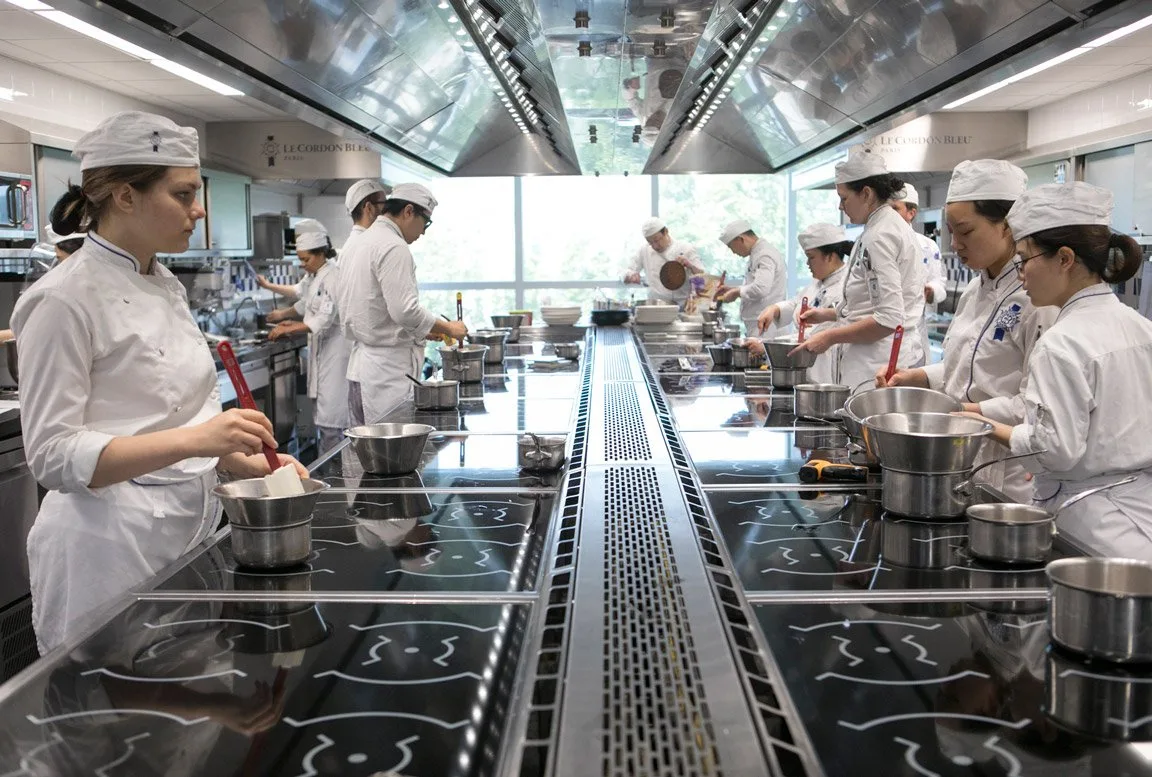
Le Cordon Bleu Sunway is one example of a Malaysian pastry school where industry placements and internships form part of the diploma structure, giving students real-world bakery and pastry kitchen experience. Full-time students often access these placements during course tenure, building professional networks and employment references faster.
Part-time learners may need to negotiate weekend or evening placements, or delay internships until after formal coursework ends, which can slow initial career traction. However, many part-time students simultaneously apply their skills in real contexts such as home baking, weekend markets or small catering jobs, building a working portfolio while still studying.
What Employers Actually Look For
- Demonstrated technical competence across core pastry disciplines
- A portfolio showing range, consistency and attention to presentation
- Evidence of real-world kitchen or production experience
- Food safety awareness and hygiene compliance
- Willingness to work shifts, weekends and high-demand periods
Neither study mode carries an inherent advantage in the eyes of most Malaysian hiring managers. What separates candidates is the quality and breadth of what they produce.

Choosing the Right Format for Your Life Stage
Different life situations call for different approaches. Here is a practical breakdown of which format tends to work best for different types of learners.
Full-Time Baking Study Is Usually Better If You
- Are a school leaver with no dependents and can rely on family financial support
- Have savings or a scholarship that covers living costs during study
- Want the fastest possible route to a professional pastry credential
- Are targeting hotel or café employment and want seamless internship access
- Can fully commit your days to structured learning without distraction
Part-Time Baking Study Is Usually Better If You
- Hold a job you cannot afford to leave or do not want to leave yet
- Have caregiving responsibilities for children or elderly family members
- Are exploring baking as a potential career change and want to test it first
- Prefer a lower-risk financial entry into culinary education
- Are building a side hustle or home baking business alongside your studies
Mid-career professionals exploring a pastry diploma as a longer-term transition benefit most from weekend or evening formats, while aspiring pastry chefs aiming directly for hotel or restaurant employment gain a speed advantage from intensive full-time training.
Common Misconceptions About Part-Time Baking Education
Myth: Part-time courses are easier or less rigorous than full-time diplomas.
Reality: Established culinary institutes in Malaysia highlight hands-on practical training as a core teaching method, where students learn in professional kitchen environments guided by experienced chef instructors, regardless of study mode. The curriculum content and assessment standards are the same across both formats.
Myth: Employers prefer full-time graduates over part-time certificate holders.
Reality: Hiring decisions hinge on demonstrated skill, portfolio breadth and internship or work experience. Employers rarely differentiate between part-time and full-time pathways when competence is clearly evident in the candidate’s work.
Myth: You cannot build a baking business while studying part-time.
Reality: Many part-time students launch small-scale operations precisely because they are still earning and studying simultaneously. The extended timeline creates space to test recipes, build a customer base and develop business fundamentals before making a full financial commitment.
How to Evaluate Any Baking Programme Before You Enrol
Regardless of format, ask these questions before committing to any baking school in Malaysia:
- What are the exact weekly timetable options for part-time and full-time enrolment?
- Can I switch between formats mid-course if my circumstances change?
- Is there an internship or industry placement component, and how is it structured for part-time students?
- What credential will I receive, and is it recognised by industry employers?
- What is the student-to-instructor ratio in practical kitchen sessions?
- Are ingredient costs and uniform fees included in tuition, or charged separately?
- What support is available if I fall behind due to work or personal commitments?
Getting clear answers to these questions before signing anything protects your time, money and momentum.
Final Thoughts and Next Steps
Your choice between part-time and full-time baking study must align with your current financial capacity, time availability and career urgency, not an abstract ideal of what your life should look like. Both routes lead to the same hands-on skills and industry-recognised credentials when completed with genuine commitment.
The most important decision is not which format is objectively better. It is which format you can actually complete without burning out, breaking the bank or resenting the process.
Explore detailed programme structures, speak with admissions advisers and request sample timetables to visualise your weekly reality before committing. Visit Le Cordon Bleu Sunway to compare part-time and full-time pastry diplomas tailored to Malaysian learners at every stage of life.
Frequently Asked Questions
Q: What are the best part-time baking classes in Malaysia for working adults?
A: The best part-time baking classes suit your goals, budget and location. Look for weekend or evening schedules, hands-on practical training and clear credential pathways that align with your career or entrepreneurial ambitions.
Q: Can I switch from part-time to full-time study mid-course?
A: Some institutions permit format transfers if timetable slots and progression stages align, but policies vary widely. Contact your school’s academic office early to explore credit recognition, fee adjustments and intake availability before attempting a switch.
Q: Do part-time students receive the same qualification as full-time graduates?
A: Yes. Le Cordon Bleu awards qualifications based on competency and assessment performance, not study mode. Certificates, diplomas and international diplomas are available to both part-time and full-time students who meet the required standards.
Q: How do I manage work, family and part-time baking classes simultaneously?
A: Success requires advance planning, shared household responsibilities and calendar blocking for practice sessions. Many part-time students dedicate one weekend day to class and one evening per week to recipe trials, protecting other time for work, rest and family commitments.
Q: Are online baking courses a viable alternative to part-time or full-time in-person programmes?
A: Online baking courses offer flexibility and allow students to revisit content at their own pace. However, they lack immediate instructor feedback and hands-on kitchen experience. A hybrid approach combining online theory with occasional in-person workshops can offer a balanced middle ground for some learners.
Q: Will a part-time baking course help me start a home baking business in Malaysia?
A: Part-time courses build essential baking skills and product consistency. Combine them with basic business knowledge, market research, costing exercises and an understanding of Malaysian food safety and halal requirements to strengthen your launch readiness before going to market.