Malaysian hotels and restaurants are scrambling to hire chefs who can do more than toss vegetables into a stir-fry and call it plant-based.
Guests are asking for proper vegan tasting menus, dairy-free desserts that actually taste good and plant-based options that deserve a place on the main menu, not buried at the bottom as an afterthought.
If you are a culinary professional or student wondering whether plant-based skills are worth developing, the answer is already being written in job listings, menu redesigns and the quiet panic of head chefs who have no idea how to replace eggs in a soufflé.
This guide explains why demand for plant-based chef in Malaysia roles is rising, what skills employers actually need and how to position yourself in this growing segment before it becomes standard.
Key Takeaways
- Hotels and upscale restaurants across Malaysia are expanding plant-based menus in response to guest demand, dietary trends and sustainability commitments, creating new roles for chefs trained in plant-based techniques
- A plant-based chef Malaysia role requires more than removing meat from recipes; it demands expertise in ingredient substitution, flavour layering, texture development and nutritional balance across appetisers, mains and desserts
- Formal culinary training that includes plant-based modules, combined with hands-on practice in vegan baking, dairy-free pastry and plant protein cookery, significantly improves employability and menu development confidence
- Career opportunities span hotel kitchens, resort properties, boutique cafés, catering companies and private chef services, with plant-based skills increasingly viewed as essential rather than niche
Why Malaysian Hotels Are Hiring Plant-Based Chefs Right Now
The shift is not ideological. It is commercial.
International hotel chains operating in Malaysia are responding to corporate sustainability targets, guest feedback surveys and the reality that a significant portion of their clientele now expects plant-based options as standard, not special request.
Resorts hosting wellness retreats, yoga groups and health-focused travellers cannot afford to serve uninspired salads anymore. They need chefs who understand how to build a five-course plant-based tasting menu that rivals the meat-based offering in complexity, presentation and satisfaction.
Urban hotels catering to business travellers and conferences are fielding more dietary requests than ever before. Vegan, vegetarian, dairy-free, gluten-free and combinations of all four are now routine, not rare.
The chef who can execute these requests without slowing down the kitchen or compromising quality becomes indispensable very quickly.
What a Plant-Based Chef Malaysia Role Actually Involves
This is not about swapping chicken for tofu and calling it done.
A plant-based chef Malaysia role requires a completely different technical skill set that most traditionally trained chefs do not possess without deliberate study and practice.
Core Skills Employers Expect
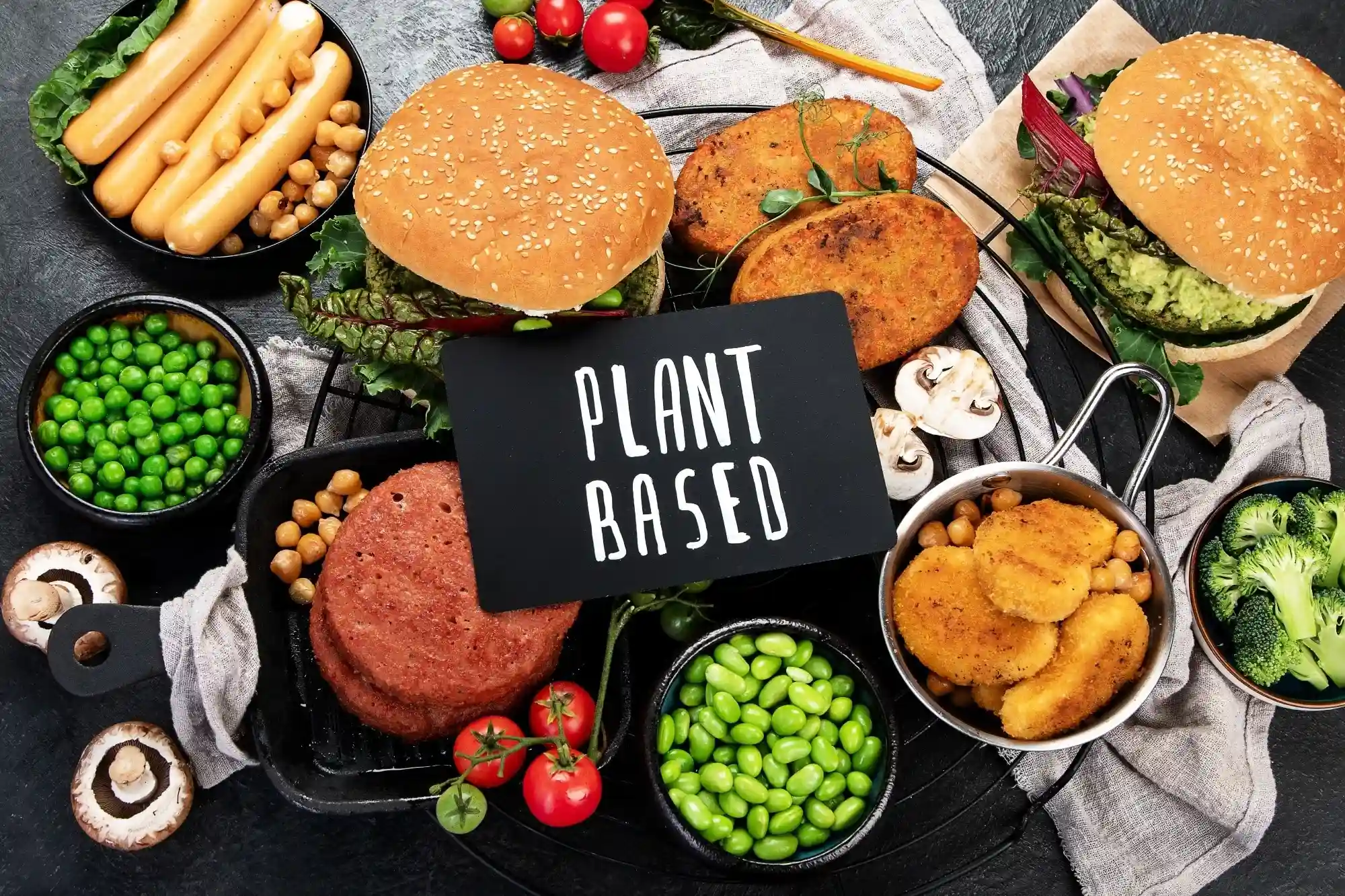
- Ingredient knowledge: Understanding aquafaba, nutritional yeast, cashew cream, tempeh, jackfruit, seitan and plant-based proteins beyond soy
- Flavour building: Developing depth without animal fats, stocks or dairy, using fermentation, roasting, smoking and umami-rich plant ingredients
- Texture mastery: Replicating creaminess, richness and mouthfeel using nuts, seeds, coconut, oats and starches
- Baking and pastry: Producing cakes, pastries, mousses and ice creams without eggs, butter or cream while maintaining structure and taste
- Plating and presentation: Ensuring plant-based dishes look as refined and appealing as their conventional counterparts
- Nutritional awareness: Balancing macronutrients and ensuring dishes provide adequate protein, healthy fats and essential nutrients
These skills are not picked up casually. They require structured learning, recipe testing and repetition under guidance from chefs who already know how plant-based cookery works at a professional level.

The Skills Gap Slowing Down Menu Development
Most culinary programmes in Malaysia still teach French technique, classical sauces and protein-centred plating.
Plant-based cookery, if covered at all, is often treated as a single module or elective rather than integrated throughout the curriculum.
This leaves graduates capable of producing excellent beef Wellington but completely lost when asked to create a vegan dessert for a banquet or develop a dairy-free afternoon tea menu.
Hotels and restaurants that want to expand plant-based offerings face a choice: hire externally, retrain existing staff or bring in consultants. All three options take time and money, which is why chefs who already possess these skills have leverage in salary negotiations and role discussions.
Where Plant-Based Chefs Are Working in Malaysia
The opportunities are broader than most people expect, spanning multiple segments of the hospitality and food service industry.
Workplace | Typical Role | What It Involves |
|---|---|---|
Five-star hotels | Commis or chef de partie, plant-based menu development | Banquet menus, à la carte plant-based sections, breakfast buffets |
Resorts and wellness retreats | Plant-based chef or sous chef | Daily plant-based menus, detox programmes, cooking demonstrations |
Boutique cafés and restaurants | Head chef or menu consultant | Full plant-based or plant-forward menu creation and execution |
Catering companies | Plant-based specialist or event chef | Corporate events, weddings, private functions with dietary requirements |
Private chef services | Personal chef for high-net-worth clients | Customised meal plans, dinner parties, weekly meal preparation |
Each environment offers different creative freedom, team size and compensation structures, while the same plant-based expertise can also support entrepreneurs looking to launch a bakery business or other food ventures.
How to Build Plant-Based Skills as a Culinary Professional
If you are already working in a kitchen or enrolled in a culinary programme, adding plant-based expertise does not require starting over.
It requires deliberate practice in the areas where plant-based cookery diverges most sharply from conventional technique.
Practical Steps to Develop Plant-Based Competence
- Enrol in short courses or workshops focused specifically on vegan baking, plant-based pastry or plant protein cookery
- Experiment with ingredient substitutions in familiar recipes, documenting what works and what fails
- Stage or intern in a plant-based restaurant or hotel kitchen section to observe professional execution
- Study plant-based cookbooks and online resources from chefs with formal culinary training, not just home cooks
- Attend food expos, trade shows and industry events where plant-based suppliers showcase new ingredients and techniques
Formal culinary training that includes plant-based modules provides the most structured and efficient path, particularly for students still deciding which specialisation to pursue.
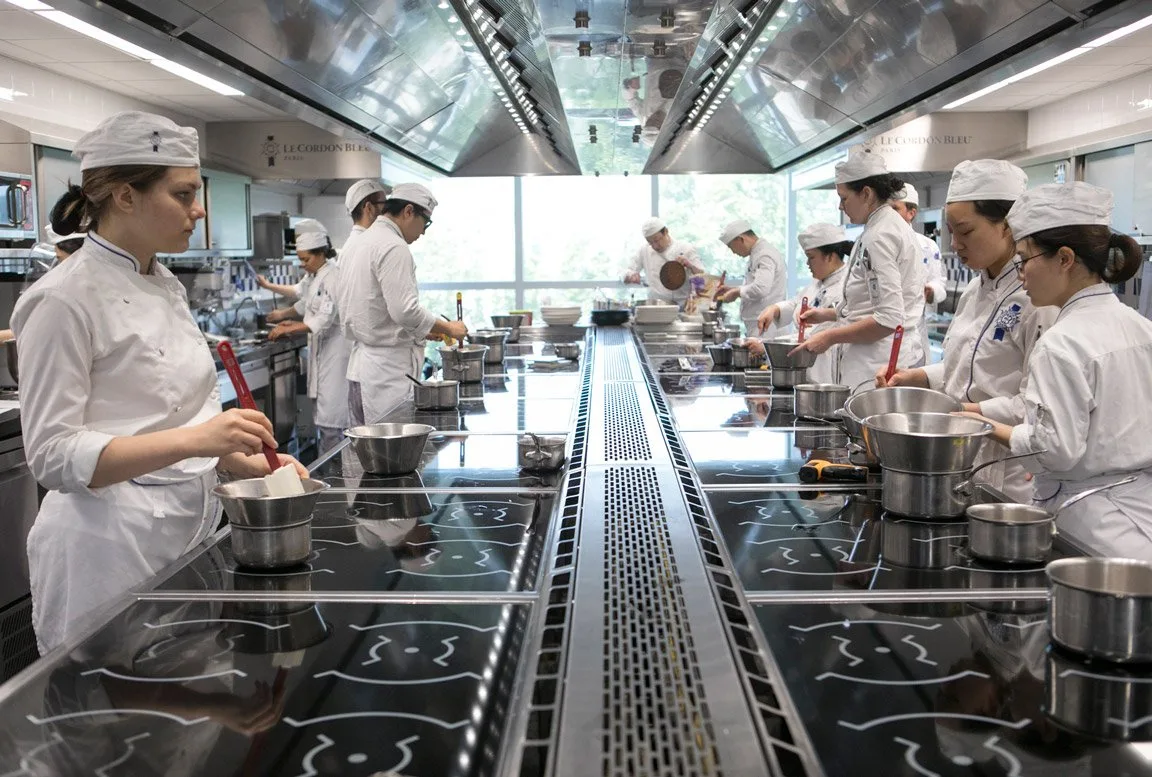
Programmes such as the Le Cordon Bleu Diplôme de Cuisine or Diplôme de Pâtisserie increasingly incorporate plant-based techniques into core curriculum, recognising that modern chefs must be fluent in both conventional and plant-based cookery to remain employable.

What Employers Look for When Hiring Plant-Based Chefs
A CV that lists “can cook vegan food” is not enough.
Hiring managers want evidence of hands-on experience, recipe development capability and the ability to execute plant-based dishes under the same time and quality pressures as the rest of the menu.
Portfolio Elements That Strengthen Applications
- Photographs of plated plant-based dishes you have created, with descriptions of techniques and ingredients used
- Sample menus you have developed for specific contexts: banquets, tasting menus, buffets, afternoon tea
- References from chefs or employers who can confirm your plant-based cookery skills in a professional setting
- Certifications or completion records from recognised plant-based culinary courses or workshops
Employers also value adaptability. A chef who can seamlessly switch between conventional and plant-based execution within the same service is more useful than one who only works in plant-based kitchens.
The Long-Term Career Advantage of Plant-Based Skills
Plant-based menu development is not a trend that will peak and fade. It is a permanent expansion of what professional kitchens are expected to deliver.
Chefs who develop these skills early position themselves for roles that did not exist five years ago and will only grow in number and seniority over the next decade.
As sustainability becomes a measurable part of hotel and restaurant operations, plant-based menu offerings will be tracked, reported and expanded. The chefs leading that expansion will be the ones who invested in learning the skills now, not later.
If you are a culinary student or working chef in Malaysia considering where to focus your professional development, plant-based cookery offers one of the clearest paths to differentiation, employability and long-term career security.
Le Cordon Bleu Malaysia integrates modern culinary techniques, including plant-based preparation, into internationally recognised diploma programmes. Explore how structured training can prepare you for the kitchens that are hiring now and the roles that will define the next generation of Malaysian hospitality.
Frequently Asked Questions
What does a plant-based chef Malaysia role involve?
A plant-based chef in Malaysia develops and prepares dishes that rely entirely or predominantly on plant ingredients, using specialised techniques to achieve satisfying flavour, texture and nutritional balance.
Why are Malaysian hotels expanding their plant-based menus?
Hotels are responding to guest demand, dietary preferences and sustainability initiatives, making plant-based options an increasingly important part of modern hospitality.
Do chefs need special training to become a plant-based chef Malaysia employers will value?
Yes. Formal training and hands-on practice in plant-based cooking, vegan baking and menu development help chefs build the technical skills employers seek.
Can a traditionally trained chef transition into plant-based cuisine?
Absolutely. Many chefs expand their expertise through short courses, self-study and practical experience in plant-based kitchens.
Where can plant-based chefs work in Malaysia?
Opportunities exist in hotels, wellness resorts, cafés, restaurants, catering companies and private chef services.
What skills are most important for plant-based menu development?
Key skills include ingredient substitution, flavour building, texture creation, plant-based baking and an understanding of nutrition.
Are plant-based culinary skills only useful in vegan restaurants?
No. These skills are increasingly valuable in mainstream hospitality settings, where guests expect diverse and inclusive menu options.
How can chefs demonstrate their plant-based expertise to employers?
A strong portfolio featuring original dishes, sample menus, references and relevant certifications is an excellent way to showcase competence.
Is plant-based cuisine a long-term career opportunity?
Yes. As sustainability and dietary diversity continue to shape the hospitality industry, demand for chefs with plant-based expertise is expected to grow.
Why is the plant-based chef Malaysia pathway becoming more attractive?
It offers chefs the chance to develop sought-after skills, contribute to innovative menus and position themselves at the forefront of a lasting shift in dining preferences.