Choosing between a short culinary course and a full diploma is not just an education decision. It is a career planning decision.
For aspiring chefs, the path you take determines how quickly you enter the industry, how deeply you develop technical skills, and what roles you can realistically grow into over time.
Both routes have value. The difference lies in timeline, depth, and long-term positioning within the culinary industry.
This article breaks down short courses vs full diplomas in culinary arts to help you match the right pathway with your career goals.
Key Points
- Short courses focus on speed, fundamentals, and targeted skill development
- Full diplomas provide structured, in-depth training across multiple culinary disciplines
- Career timelines differ significantly between the two pathways
- Industry readiness and job positioning depend on training depth
- The right choice depends on career urgency, budget, and long-term goals
Understanding Short Courses in Culinary Arts
Short culinary courses are designed for fast, focused learning.
They typically range from a few days to a few months and concentrate on specific skill sets.
Common examples include:
- Basic cooking techniques
- Baking or pastry fundamentals
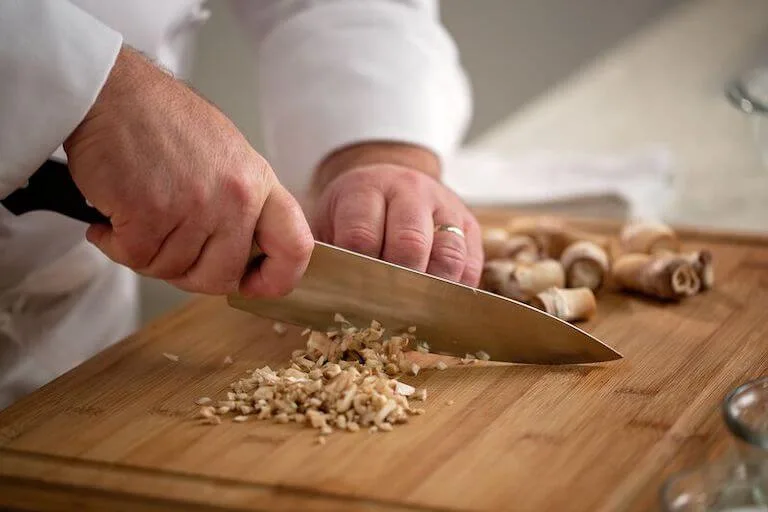
- Food preparation and knife skills
- Specialty cuisine modules
What Short Courses Are Best For
Short courses are most suitable for:
- Individuals seeking quick entry into the food industry
- Career changers testing interest in culinary work
- Entrepreneurs learning specific skills for business use
- Working professionals upgrading targeted techniques
Strength of Short Courses
- Fast completion timeline
- Lower financial commitment
- Focused, practical skill acquisition
- Flexible learning structure
Limitation of Short Courses
- Limited exposure to full kitchen operations
- Minimal training in advanced techniques
- Less depth in culinary theory and management
- Reduced career progression into senior kitchen roles initially
Understanding Full Diplomas in Culinary Arts
A full culinary diploma is a structured, long-term training programme designed to develop professional chefs from the ground up.
It typically runs for 6 months to 2 years depending on institution and curriculum depth.
Diploma programmes cover:
- Culinary foundations
- Pastry and bakery training
- Kitchen operations and service flow
- Food safety and hygiene standards
- Menu planning and costing
- Advanced cooking techniques
What Full Diplomas Are Best For
Full diplomas are ideal for:
- Individuals pursuing long-term chef careers
- Students aiming for hotel or fine dining employment
- Those targeting international culinary opportunities
- Learners seeking structured progression in the industry
Strength of Full Diplomas
- Comprehensive culinary education
- Strong technical and theoretical foundation
- Industry-standard kitchen training
- Better long-term career mobility
- Exposure to multiple culinary disciplines
Limitation of Full Diplomas
- Longer time commitment
- Higher financial investment
- More intensive training schedule
- Less suitable for immediate career entry needs
Short Courses vs Full Diplomas: Direct Comparison
Factor | Short Courses | Full Diplomas |
Duration | Days to months | 6 months to 2 years |
Learning Depth | Focused skills | Comprehensive training |
Career Entry Speed | Fast | Moderate to slow |
Industry Readiness | Entry-level roles | Professional chef pathway |
Cost Commitment | Lower | Higher |
Career Progression | Limited initially | Strong long-term growth |
Career Timeline Differences
One of the most important differences between the two paths is timing.
Short Course Timeline
- Immediate skill acquisition
- Entry into kitchen assistant or basic cooking roles
- Gradual skill development through work experience
- Long-term growth depends heavily on on-the-job learning
Full Diploma Timeline
- Structured progression from fundamentals to advanced skills
- Internship or industrial training exposure
- Direct readiness for chef de partie or junior chef roles
- Faster eligibility for supervisory kitchen positions over time
Which Path Matches Your Career Goal?
The right choice depends on your timeline and intention.
Choose Short Courses If:
- You want quick entry into the food industry
- You are testing culinary interest before committing
- You are learning specific skills for business or personal use
- You prefer flexible, modular learning
Choose Full Diplomas If:
- You are committed to becoming a professional chef
- You want structured progression in the culinary industry
- You aim for hotel, cruise, or fine dining careers
- You want stronger long-term earning potential and roles
Industry Perspective on Both Routes
In real kitchen environments, employers evaluate:
- Skill consistency
- Speed and accuracy
- Discipline under pressure
- Understanding of kitchen workflow
Short course graduates often perform well in basic roles but may require additional time to adapt to full-service kitchen environments.
Diploma graduates typically adapt faster to structured kitchen systems due to exposure to:
- Real service simulation
- Brigade system training
- Repetition under pressure
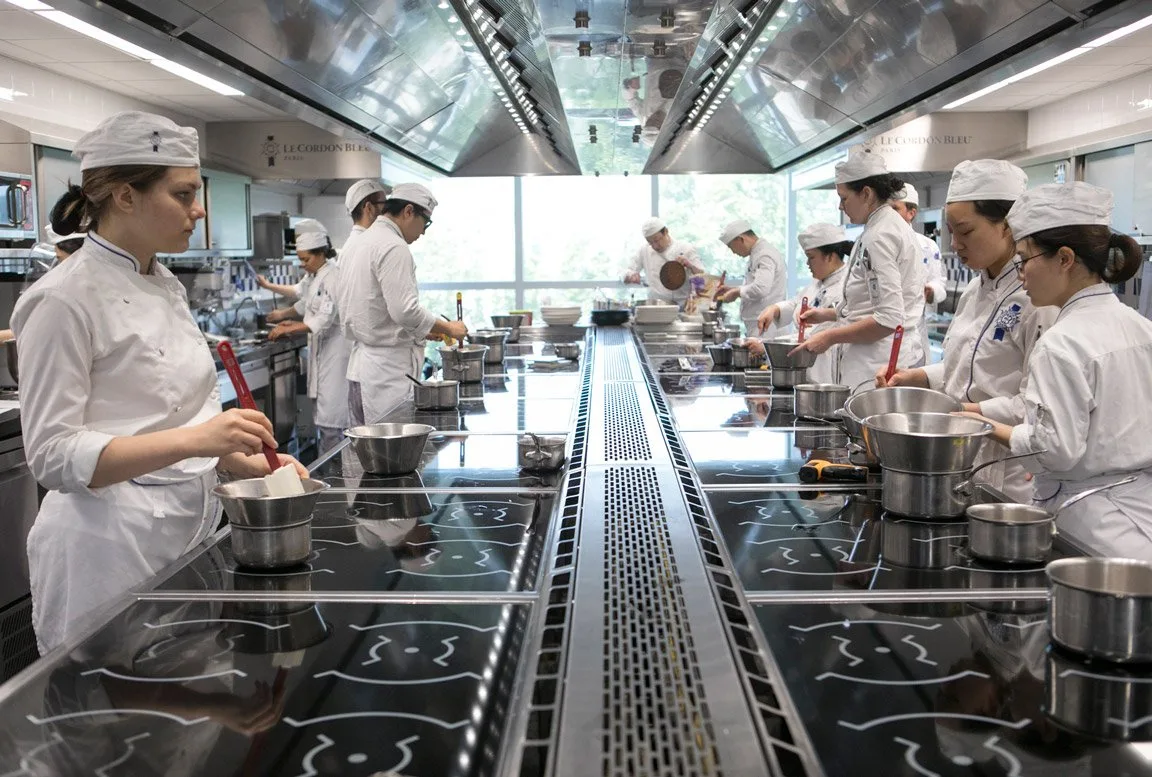
- Full operational kitchen environments
Final Thoughts
Short courses and full diplomas in culinary arts serve different purposes within the industry.
Short courses provide speed and accessibility for quick skill development. Full diplomas provide depth, structure, and long-term career positioning.
The decision ultimately depends on how quickly you want to enter the industry and how far you intend to progress within it.
A clear understanding of your career timeline is what determines which pathway delivers the most value over time.