Many prospective students imagine pastry training as a series of baking sessions where recipes are followed and desserts are produced.
The reality is considerably more structured. A professional
pastry course Malaysia students enrol in is a systematic progression through techniques, methods and disciplines that prepare students for real kitchen environments where precision, consistency and timing are non-negotiable.
This article breaks down what is actually taught in a professional pastry course syllabus in Malaysia, from foundational skills through to advanced applications and industry readiness.
Key Takeaways
- Professional pastry courses progress from fundamental techniques to advanced applications in a structured sequence
- Training includes technical skills, ingredient science, hygiene standards and kitchen discipline
- Students learn to execute under time constraints and coordinate multiple components simultaneously
- The curriculum prepares graduates for real pastry kitchen operations, not just home baking
Foundation Stage: Core Techniques That Everything Else Builds On
The first phase of any professional pastry course syllabus in Malaysia focuses on establishing fundamental skills that underpin all pastry work.
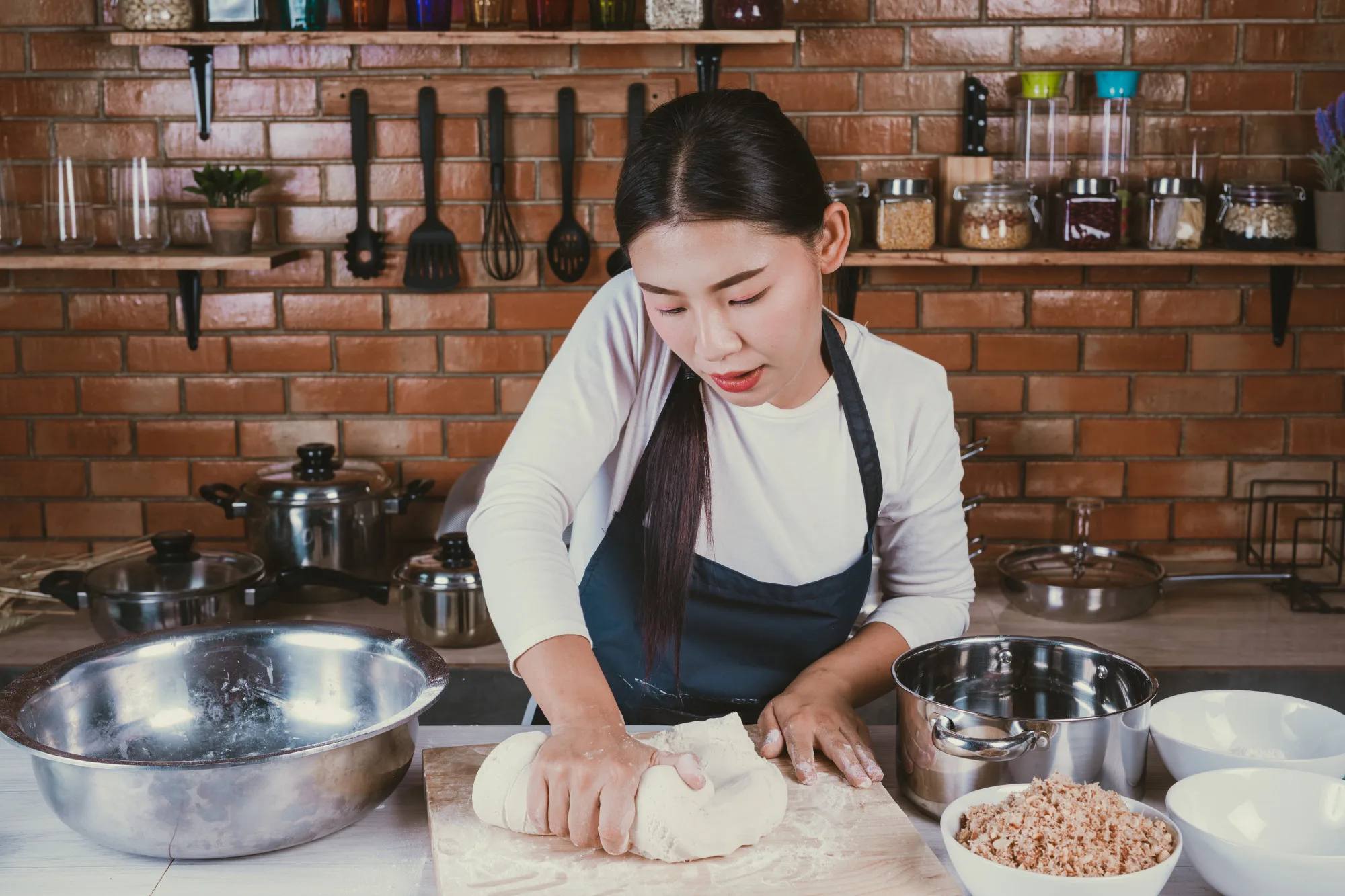
Students begin with basic dough preparation, learning to handle pâte sucrée, pâte brisée and pâte sablée. Each dough type requires different mixing methods, resting times and handling techniques.
Precision is emphasised immediately. Measurements must be accurate. Mixing times must be controlled. Temperature matters.
Ingredient Behaviour and Function
Understanding why ingredients behave as they do is critical. Students learn the role of flour proteins, fat ratios, sugar types and egg function in pastry structures.
This knowledge allows students to troubleshoot problems and adjust recipes rather than simply following instructions.
Basic Creams and Fillings
Students are introduced to crème pâtissière, crème anglaise, ganache and buttercream. Each requires specific temperature control, whisking technique and timing.
Consistency is measured and evaluated. Texture must be uniform across multiple attempts.
Hygiene and Safety Protocols
Food safety is embedded from day one. Students learn proper handwashing procedures, cross-contamination prevention, temperature monitoring and allergen awareness. Graduates also receive a
Highfield food safety qualification as an internationally recognised hygiene certificate.
These standards align with industry regulations and are enforced throughout training. Failure to maintain hygiene protocols has real consequences in professional kitchens.
Why Repetition Defines Early Training
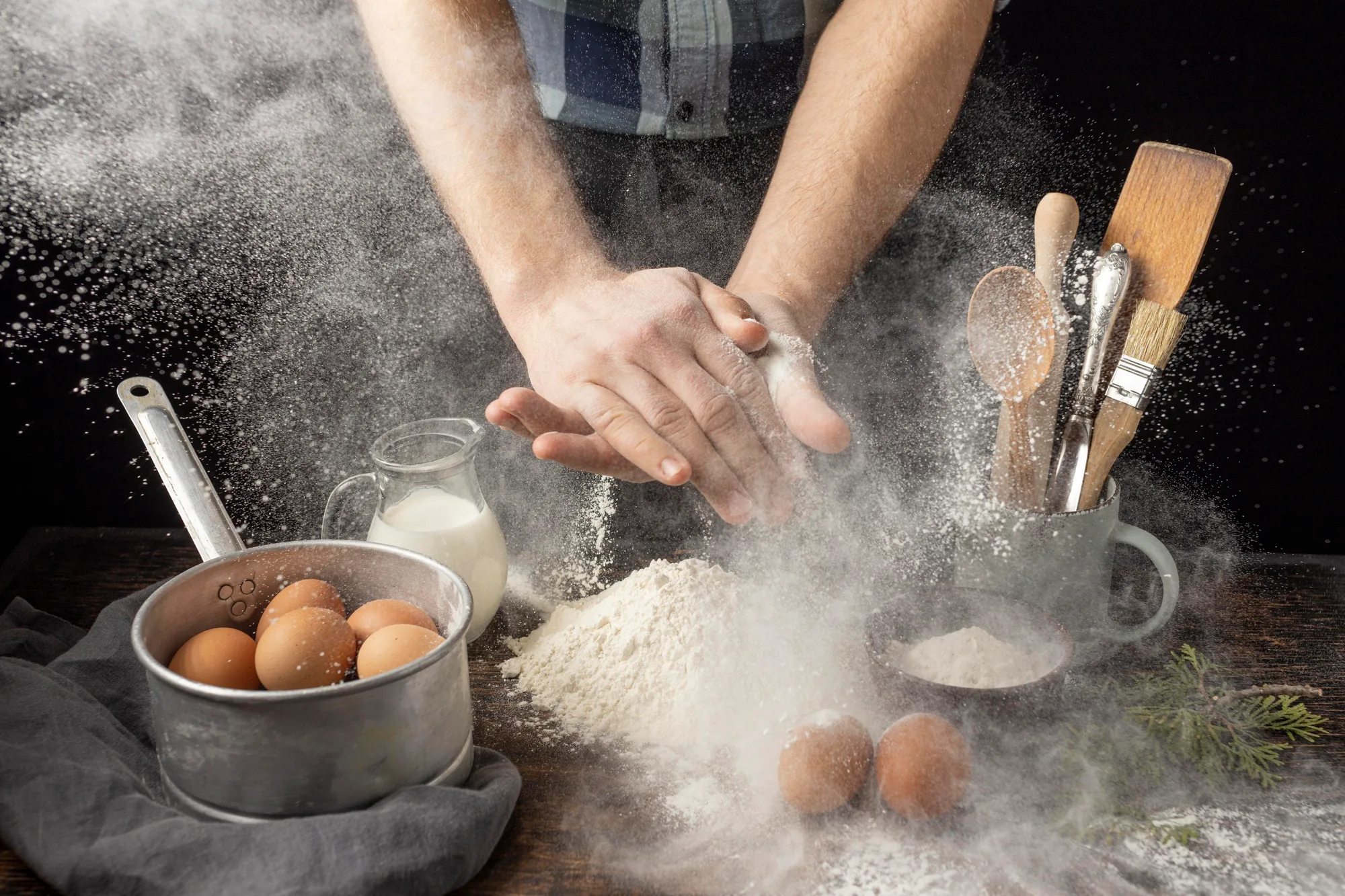
Foundational techniques are practised repeatedly until consistency is achieved.
Students prepare the same tart shells multiple times. They make crème pâtissière until texture stabilises. They pipe éclair shells until uniformity is reached.
Repetition builds muscle memory. Movements become deliberate. Timing becomes intuitive.
This stage is not about creativity. It is about establishing control over basic processes so that later complexity can be managed.
Intermediate Development: Expanding Technical Range
Once foundational skills are secure, the curriculum introduces more complex techniques and multi-component preparations.
Laminated Doughs
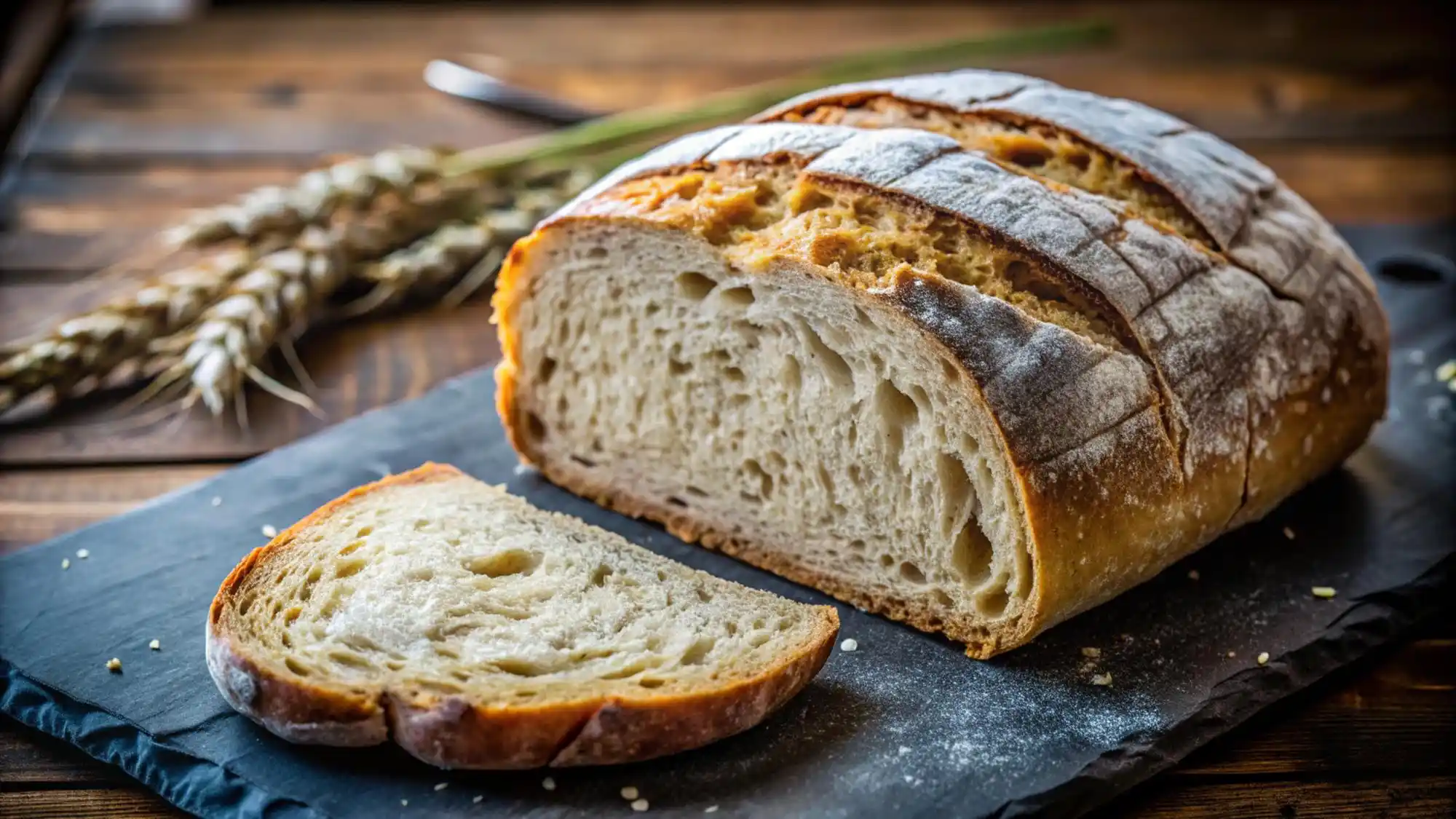
Students learn to prepare croissant dough, puff pastry and Danish pastry. These require precise folding techniques, temperature management and timing coordination.
Lamination is technically demanding. Butter must remain at the correct temperature. Folds must be even. Resting periods must be observed.
Chocolate Work
Tempering chocolate is introduced as a core skill. Students learn to control crystallisation through an understanding of the science of tempering chocolate, work with moulds and create decorative elements.
Temperature precision is critical. Small deviations affect texture, snap and appearance.
Plated Desserts
Students begin assembling multi-component plated desserts. This requires coordinating textures, temperatures and visual elements within defined timeframes.
Timing becomes more complex. Components must be ready simultaneously. Plating must be consistent across multiple serves.
The Pastry Course Syllabus Malaysia Professionals Follow
A professional pastry course syllabus in Malaysia typically follows a structured progression designed to build capability systematically.
| Stage |
Focus Area |
Key Skills Developed |
| Foundation |
Basic doughs, creams, hygiene |
Precision, consistency, safety protocols |
| Intermediate |
Laminated doughs, chocolate, plating |
Temperature control, timing coordination |
| Advanced |
Entremets, showpieces, menu design |
Creativity, refinement, presentation |
| Industry Exposure |
Service simulation, workflow management |
Speed, composure, team coordination |
Advanced Applications: Refinement and Creativity
In the later stages of training, students work on refined preparations that demand both technical precision and creative judgment.
Entremets and Layered Cakes
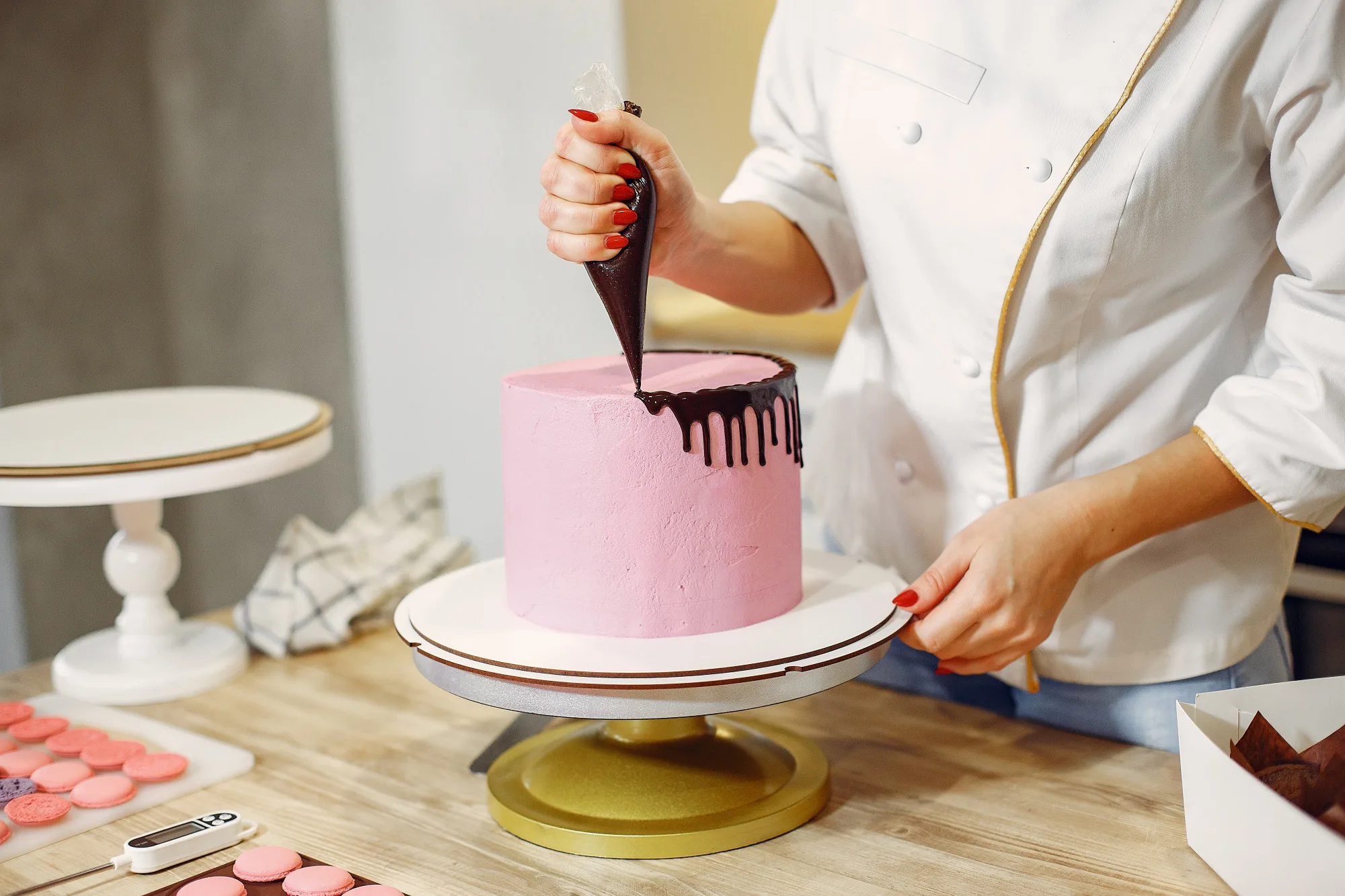
Students construct modern entremets with multiple layers, mousses, inserts and glazes. These preparations require planning, timing and assembly precision.
Each component must be prepared in sequence. Freezing times must be observed. Glazing must be executed at the correct temperature.
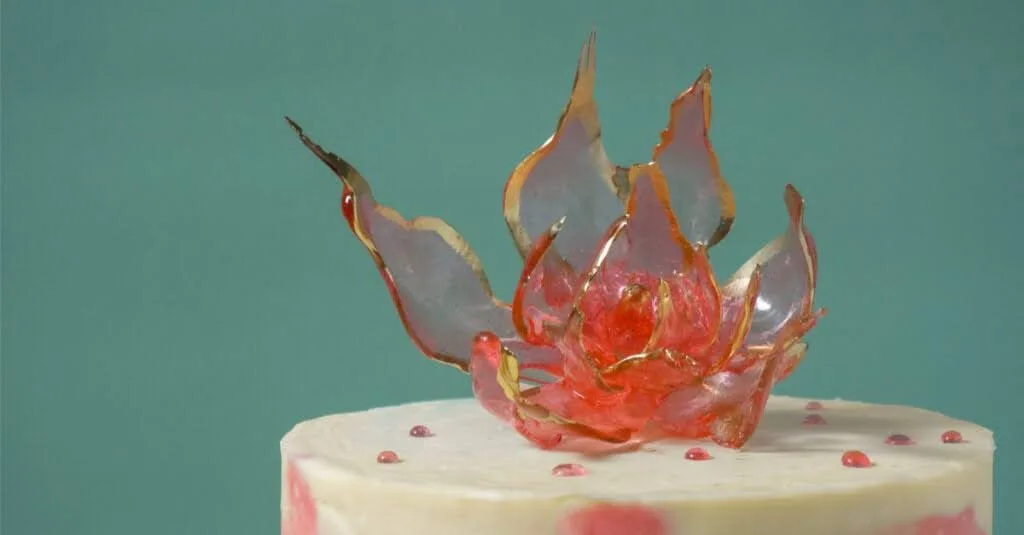
Sugar and Chocolate Showpieces
Advanced modules often include decorative work such as pulled sugar, blown sugar and chocolate sculpture. These techniques develop fine motor control and artistic judgment.
Students learn to work with molten sugar at high temperatures, manage crystallisation and construct stable structures.
Menu Development and Costing
Students are introduced to menu planning, portion control and cost calculation. This prepares them for operational responsibilities beyond technical execution.
They learn to balance creativity with practicality, considering ingredient availability, preparation time and profitability.
What Happens During Practical Assessments</b
Evaluation in a professional pastry course is predominantly practical. Students are assessed based on execution, not just knowledge.
Assessments typically require students to prepare specific items within defined timeframes. Instructors evaluate technique, consistency, presentation and adherence to specifications.
Time management is critical. Students must complete all components, clean their stations and present finished products within the allocated period.
Mistakes are noted. Corrections are provided. Standards are enforced.
Industry Simulation: Training Under Service Conditions
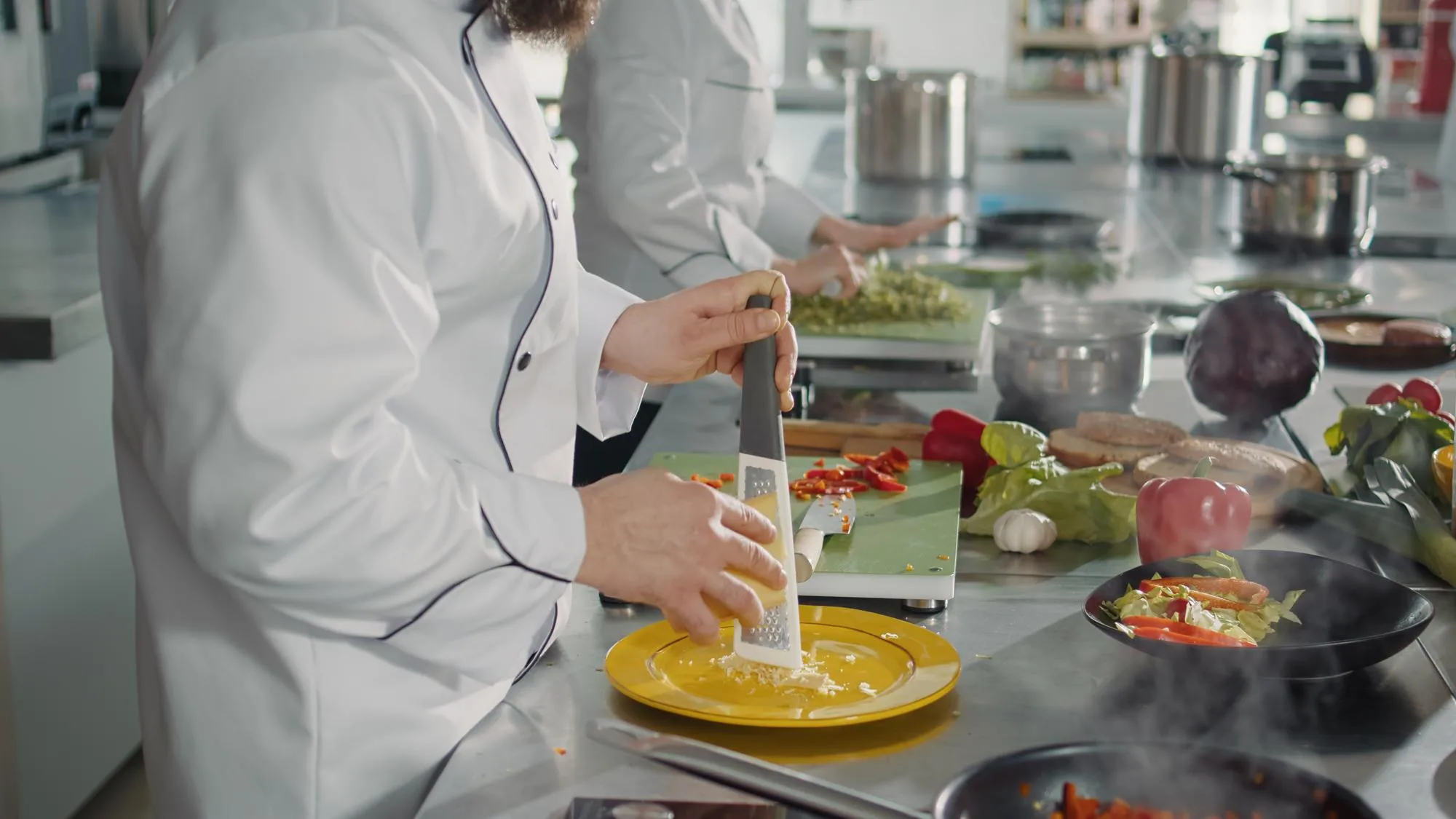
Many professional pastry programmes incorporate simulated service conditions to prepare students for real kitchen environments.
Students work in teams, managing multiple orders simultaneously. They coordinate timing across different stations. They maintain cleanliness during peak periods.
Communication becomes essential. Delays at one station affect the entire workflow. Students learn to support each other while maintaining individual accountability.
This training builds composure. Students learn to think clearly under pressure and maintain quality standards when speed is required.
Skills That Extend Beyond Baking
A professional pastry course develops competencies that extend beyond technical pastry skills. For a broader overview of the
skills you acquire from pastry and culinary courses in Malaysia, it is worth exploring how these attributes translate into long-term career readiness.
Students develop discipline through adherence to procedures and standards. They build attention to detail through repetitive refinement of techniques.
They learn to manage time effectively, prioritise tasks and coordinate multiple processes simultaneously. They develop problem-solving skills by troubleshooting issues in real time.
These attributes are essential for long-term success in professional kitchens where operational demands are constant.
How Training Prepares You for Real Pastry Kitchens
The structure of a professional pastry course is designed to reduce the gap between training and employment.
By the time students complete the programme, they understand kitchen hierarchy, workflow systems and service pressure. They are familiar with industry-grade equipment and professional hygiene standards.
They can execute core techniques consistently, manage their time under pressure and coordinate with team members during service.
This preparation leads to smoother transitions into employment and improved readiness for the demands of professional pastry environments.
Final Thoughts
A professional pastry course in Malaysia is a structured progression from foundational techniques to advanced applications and industry readiness.
It combines technical training, ingredient science, hygiene discipline and operational awareness to prepare students for real kitchen environments where precision and consistency are required.
The outcome is not simply the ability to bake, but the ability to execute to professional standards under pressure, coordinate with teams and maintain quality across service periods.
For those considering formal pastry training, a
complete guide to pastry and baking courses in Malaysia helps set realistic expectations and clarifies the investment required to develop genuine capability.
Visit
Le Cordon Bleu Sunway to find out more about how our structured pastry programmes can prepare you for a rewarding career in professional pastry.