
A professional culinary path is not a single track. After foundational training, most individuals move into one of three core specialisations: cuisine, pastry, or bakery.
Each path requires a different skill set, working style, and long-term commitment. While they all operate within the food industry, the day-to-day responsibilities and technical focus vary significantly.
Choosing the right direction early helps align training, career progression, and long-term goals.
This article breaks down the differences between cuisine, pastry, and bakery, and what each path demands in a professional setting.
Key Takeaways
- Cuisine, pastry, and bakery require different technical skills and working approaches
- Cuisine focuses on savoury cooking and real-time kitchen operations
- Pastry emphasises precision, desserts, and plated presentation
- Bakery centres on bread production, fermentation, and large-scale consistency
- Choosing the right path depends on working style, interest, and long-term career goals
Understanding the Three Core Specialisations
Before selecting a path, it is important to understand how each discipline functions within a professional environment.
Specialisation | Core Focus | Work Environment |
Cuisine | Savoury cooking and hot kitchen operations | Restaurants, hotels, catering |
Pastry | Desserts, plated sweets, and confectionery | Restaurants, hotels, pastry kitchens |
Bakery | Bread, dough production, and large-batch baking | Bakeries, production kitchens |
Each requires technical training, but the execution and workflow differ.
Cuisine: The Structure of the Hot Kitchen
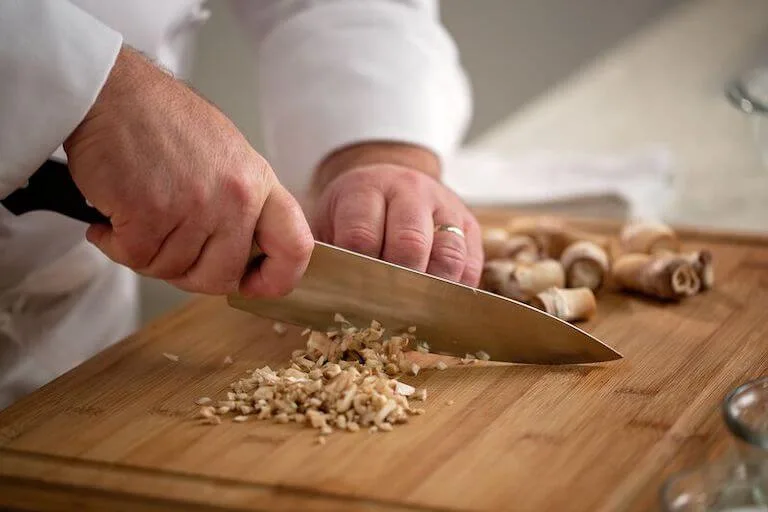
Cuisine refers to savoury cooking within a professional kitchen setting.
What You Learn and Do
- Preparation of meats, seafood, and vegetables
- Sauce development and flavour balancing
- Cooking techniques such as grilling, roasting, sautéing, and braising
- Plating for savoury dishes
- Coordination during live service
Working Style
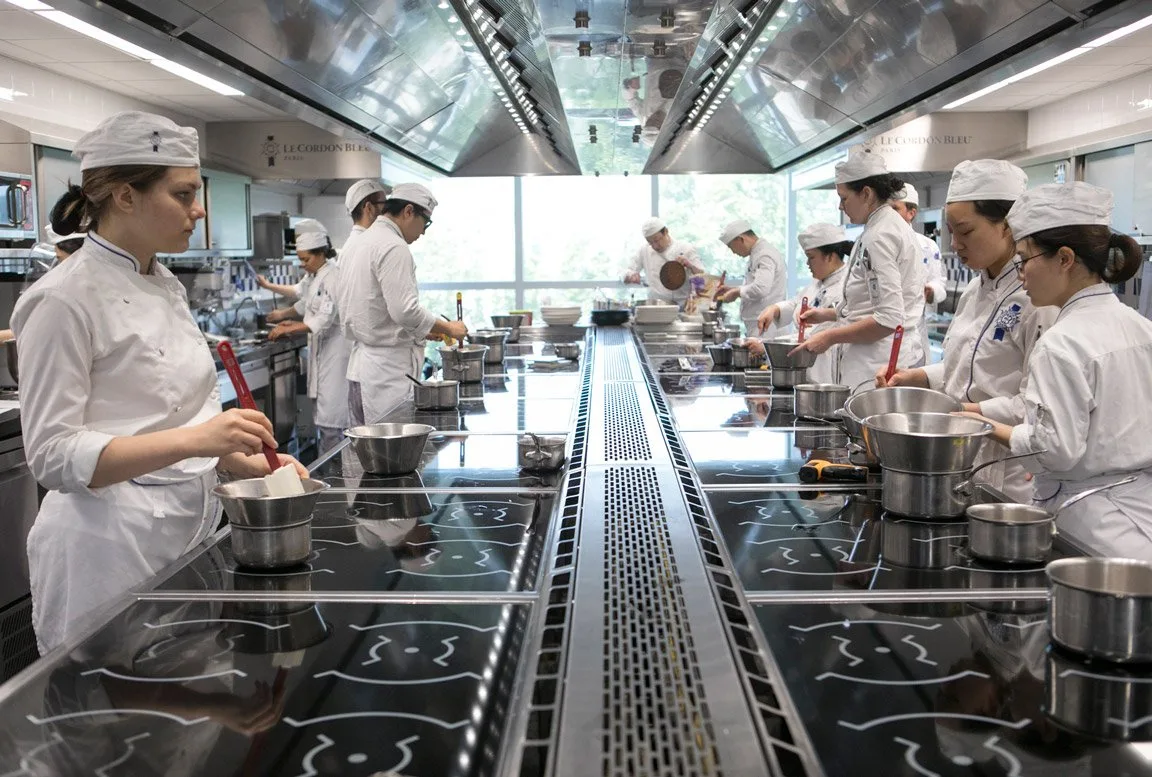
Cuisine operates in real time.
- Orders are prepared on demand
- Timing and coordination across kitchen stations are critical
- Work pace is fast and often high-pressure
Key Skills Required
- Strong time management
- Ability to multitask under pressure
- Consistency in execution
- Communication within a kitchen brigade
Cuisine is suited for individuals who prefer dynamic environments and direct involvement in service operations.
Pastry: Precision and Presentation
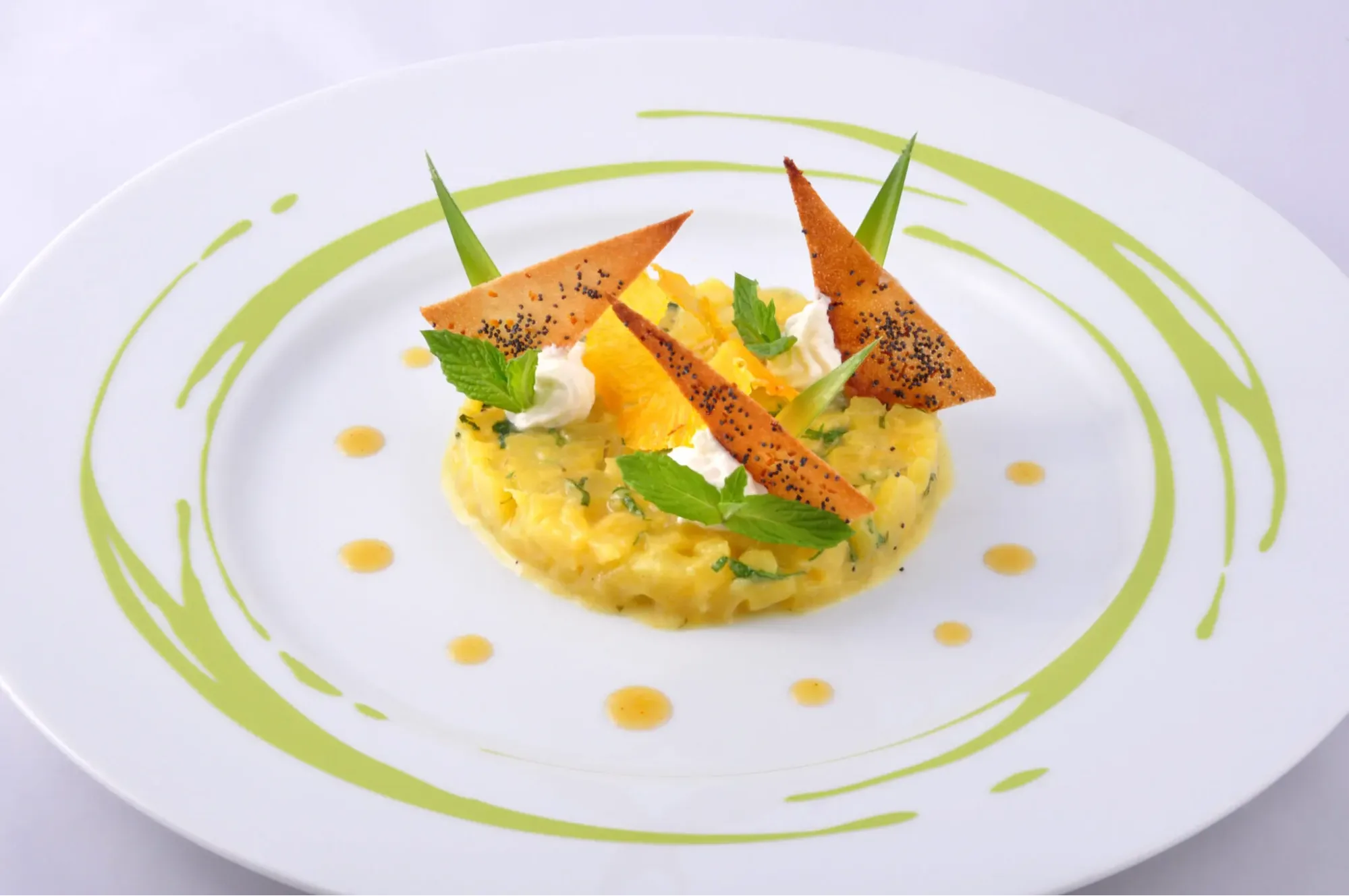
Pastry focuses on desserts, sweets, and plated presentations.
What You Learn and Do
- Preparation of cakes, tarts, mousses, and plated desserts
- Chocolate and sugar work
- Baking techniques for pastries and desserts
- Decorative skills and presentation design
- Ingredient measurement and formulation
Working Style
Pastry is structured but less reactive than cuisine.
- Preparation often happens in advance
- Recipes require exact measurements and controlled conditions
- Presentation plays a major role
Key Skills Required
- Precision and attention to detail
- Patience in execution
- Consistency in measurement and technique
- Visual awareness for plating and design
Pastry is suited for individuals who prefer controlled environments and detail-oriented work.
Bakery: Process, Scale, and Consistency
Bakery focuses on bread and large-scale baked goods production.
What You Learn and Do
- Dough preparation and fermentation techniques
- Bread shaping and proofing
- Oven management and baking cycles
- Production planning for volume output
- Ingredient ratios and scaling
Working Style
Bakery operations are process-driven.
- Work often starts early, sometimes overnight
- Production is done in batches rather than individual orders
- Timing revolves around fermentation and baking cycles
Key Skills Required
- Understanding of fermentation and ingredient interaction
- Physical endurance for repetitive tasks
- Consistency across large batches
- Process discipline
Bakery is suited for individuals who prefer structured routines and production-focused environments.
Comparing the Three Paths
Factor | Cuisine | Pastry | Bakery |
Work Pace | Fast, real-time service | Moderate, structured | Steady, process-driven |
Precision Level | High but flexible | Very high and exact | High in ratios and timing |
Creativity | High in flavour and plating | High in design and presentation | Moderate, focused on technique |
Working Hours | Service-based (lunch/dinner) | Mixed schedule | Early mornings or overnight |
Output Style | Made-to-order dishes | Prepared desserts | Batch production |
This comparison highlights that the difference is not just technical, but operational.
Choosing the Right Specialisation
The decision should be based on working preference rather than perception.
Consider the following:
Choose Cuisine if you prefer:
- Fast-paced environments
- Real-time problem solving
- Direct involvement in service
- Continuous variation in dishes
Choose Pastry if you prefer:
- Precision and structured execution
- Creative plating and design
- Controlled kitchen environments
- Working with desserts and sweets
Choose Bakery if you prefer:
- Routine and process-driven work
- Large-scale production
- Early working hours
- Mastery of dough and fermentation
Each path requires commitment, and switching later may require retraining.
Career Path and Progression
Each specialisation offers different career trajectories.
Cuisine
- Commis Chef → Chef de Partie → Sous Chef → Head Chef
Pastry
- Pastry Commis → Pastry Chef de Partie → Pastry Sous Chef → Executive Pastry Chef
Bakery
- Baker → Senior Baker → Production Manager → Bakery Owner
Progression depends on skill development, consistency, and experience within the chosen field.
Industry Demand and Flexibility
All three specialisations remain relevant across the hospitality and food industry.
- Cuisine roles are widely available across restaurants and hotels
- Pastry roles are essential in fine dining, hotels, and specialised dessert outlets
- Bakery roles are in demand in both artisan and large-scale production settings
Flexibility varies.
Cuisine offers broader exposure across different food concepts, while pastry and bakery provide deeper technical specialisation.
Conclusion
Cuisine, pastry, and bakery are distinct career paths within the culinary industry, each with its own technical focus, workflow, and professional demands.
The choice should be based on alignment with working style, precision preference, and long-term career goals rather than trend or perception.
A clear decision at the early stage allows for focused training, stronger skill development, and a more structured progression within the chosen discipline.