

Plant-based cuisine is no longer viewed as a niche segment within the food industry. Across Malaysia, the growing demand for healthier dining, sustainability-focused menus, and modern culinary experiences has created strong demand for chefs with plant-based culinary skills.
Restaurants, hotels, cafes, catering businesses, and hospitality groups are increasingly expanding their menus to include plant-based offerings that go beyond basic vegetarian dishes. As a result, culinary professionals who understand plant-forward cooking techniques are becoming more valuable in the modern food and beverage industry.
For aspiring chefs and hospitality students, plant-based culinary education is now becoming a practical career advantage rather than simply a specialised interest.
Key Takeaways
- Plant-based culinary skills are increasingly valuable in Malaysia’s hospitality industry
- Modern restaurants are expanding plant-based menu offerings
- Culinary professionals are expected to understand plant-forward cooking techniques
- Sustainability and health-conscious dining trends continue driving industry demand
- Plant-based training creates broader career opportunities in food and hospitality
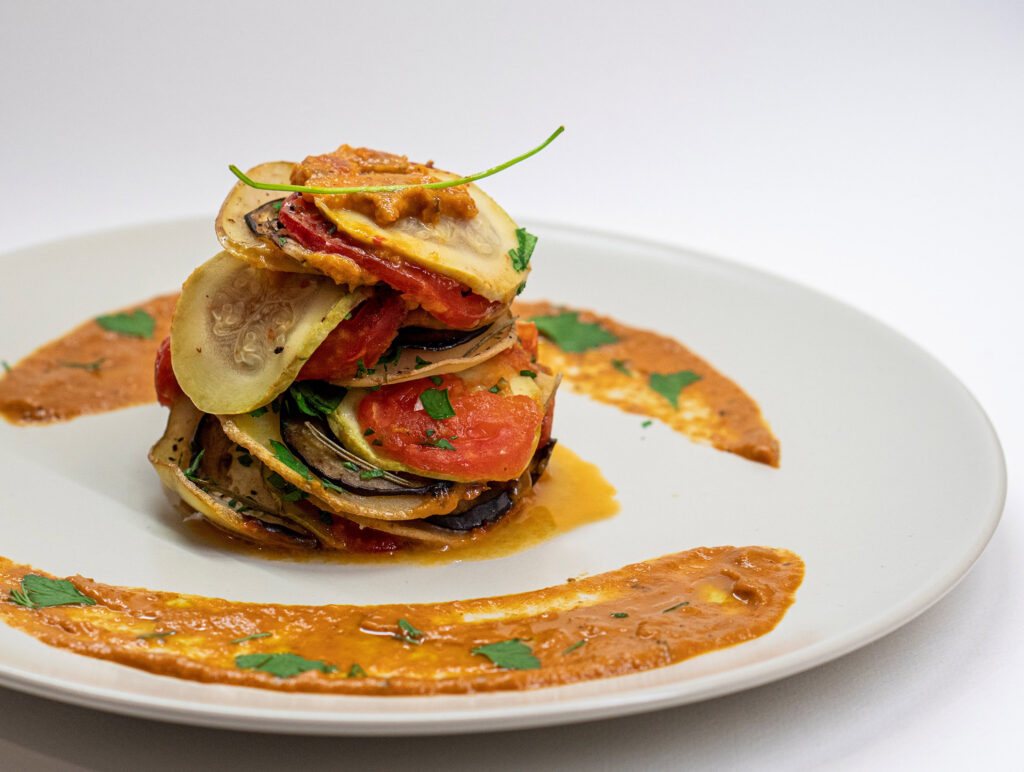
The Rise of Plant-Based Dining in Malaysia
Consumer preferences in Malaysia have shifted significantly in recent years.
Many diners are now seeking:
- Healthier food choices
- Sustainable dining options
- Lighter meals
- Ingredient-conscious menus
- Modern dining experiences
This shift has encouraged businesses across the food industry to introduce more plant-based dishes into their offerings.
Plant-Based Cuisine Is No Longer Limited to Vegetarian Restaurants
One major change in the industry is that plant-based cooking is now integrated into mainstream dining.
Today, plant-based options are commonly found in:
- Fine dining restaurants
- Boutique cafes
- Hotels and resorts
- Catering businesses
- Corporate dining environments
- International restaurant chains
This has increased the demand for chefs who can work confidently with plant-based ingredients and techniques.
Why Culinary Employers Value Plant-Based Skills
Modern hospitality businesses need chefs who can adapt to changing consumer demands.
Plant-based culinary knowledge allows chefs to:
- Design more versatile menus
- Cater to wider customer preferences
- Support sustainability-focused concepts
- Create modern dining experiences
This flexibility has become increasingly important in competitive food markets.
Health-Conscious Dining Trends
Consumers today are more aware of how food affects long-term wellness.
Many diners are actively reducing consumption of:
- Heavy processed foods
- Excessive meat-based meals
- High-fat menu items
At the same time, demand is growing for:
- Fresh produce
- Plant-forward dishes
- Nutrient-focused menus
- Cleaner ingredient profiles
Restaurants need chefs capable of meeting these expectations creatively.
Sustainability Is Reshaping the Food Industry
Environmental awareness is also influencing menu development worldwide.
Plant-based cooking aligns with broader industry discussions surrounding:
- Sustainable sourcing
- Reduced food waste
- Responsible ingredient usage
- Lower environmental impact dining models
Hospitality brands increasingly value chefs who understand these evolving priorities.
Skills Modern Plant-Based Chefs Need
Plant-based culinary training goes beyond preparing salads or meat substitutes.
Modern chefs must understand:
Advanced Vegetable Preparation
This includes techniques such as:
- Roasting
- Fermentation
- Smoking
- Grilling
- Pickling
- Slow cooking
These methods help develop flavour complexity and texture.
Plant-Based Protein Handling
Chefs need experience working with:
- Legumes
- Tofu and soy products
- Mushrooms
- Nuts and seeds
- Alternative protein ingredients
Flavour Layering and Culinary Creativity
Plant-based cuisine relies heavily on:
- Herbs and aromatics
- Natural umami development
- Texture contrast
- Balanced seasoning
Strong culinary fundamentals remain essential.
Fine Dining and Modern Gastronomy Opportunities
Plant-based fine dining continues growing internationally and within Malaysia’s urban dining scene.
Modern chefs are increasingly creating:
- Plant-based tasting menus
- Contemporary fusion dishes
- Sustainable gourmet concepts
- Vegetable-focused fine dining experiences
This creates opportunities for chefs trained in modern plant-based gastronomy.
Career Opportunities Beyond Restaurants
Plant-based culinary skills are also valuable outside traditional restaurant kitchens.
Career pathways may include:
- Hospitality management
- Catering services
- Food product development
- Wellness-focused hospitality
- Culinary education
- Sustainable food consulting
- Hotel and resort dining operations
Hotels and Hospitality Groups Are Expanding Plant-Based Menus
Hotels increasingly offer plant-based dining because guests expect more dietary flexibility.
This applies to:
- International travellers
- Health-conscious guests
- Corporate events
- Wellness tourism markets
Hospitality employers value chefs who can support these evolving dining demands.
Social Media and Modern Food Culture
Visual food culture has also influenced plant-based cuisine growth.
Modern diners are attracted to dishes that are:
- Visually refined
- Ingredient-focused
- Creative and modern
Plant-based dishes often perform well within digital food marketing and social media engagement.
Why Culinary Students Are Exploring Plant-Based Education
Students entering the culinary industry increasingly recognise that plant-based training offers:
- Broader employability
- More menu versatility
- Future-focused industry relevance
- Stronger adaptability across dining concepts
Rather than replacing traditional cooking, plant-based education expands a chef’s overall skill set.
Malaysia’s Growing Hospitality Industry
Malaysia’s hospitality and food industry continues evolving through:
- International tourism
- Urban dining growth
- Lifestyle-focused dining concepts
- Modern café culture
- Sustainability-focused businesses
These developments continue increasing demand for adaptable culinary professionals.
Plant-Based Skills as a Competitive Advantage
As more businesses introduce plant-forward menus, chefs with strong plant-based culinary knowledge gain a competitive advantage in hiring and career progression.
Employers increasingly value chefs who can:
- Innovate creatively
- Handle diverse dietary requirements
- Design contemporary menus
- Understand modern dining trends
The Future of Plant-Based Culinary Careers
Plant-based cuisine is expected to remain an important part of the global hospitality industry.
Future growth areas may include:
- Sustainable gastronomy
- Alternative ingredient innovation
- Wellness-focused hospitality
- Environmentally conscious dining models
Chefs with plant-based expertise are likely to remain highly relevant as these sectors expand.
Final Thoughts
Plant-based culinary skills are becoming increasingly valuable within Malaysia’s evolving hospitality and food industry. As consumer demand grows for healthier, sustainable, and modern dining experiences, restaurants and hospitality businesses are actively seeking chefs who can create refined plant-based dishes with strong technical execution and creativity.
For culinary students and hospitality professionals, plant-based education is no longer just a specialised niche. It has become an important skill set that supports long-term career flexibility, industry relevance, and opportunities across multiple sectors within the modern food and beverage landscape.