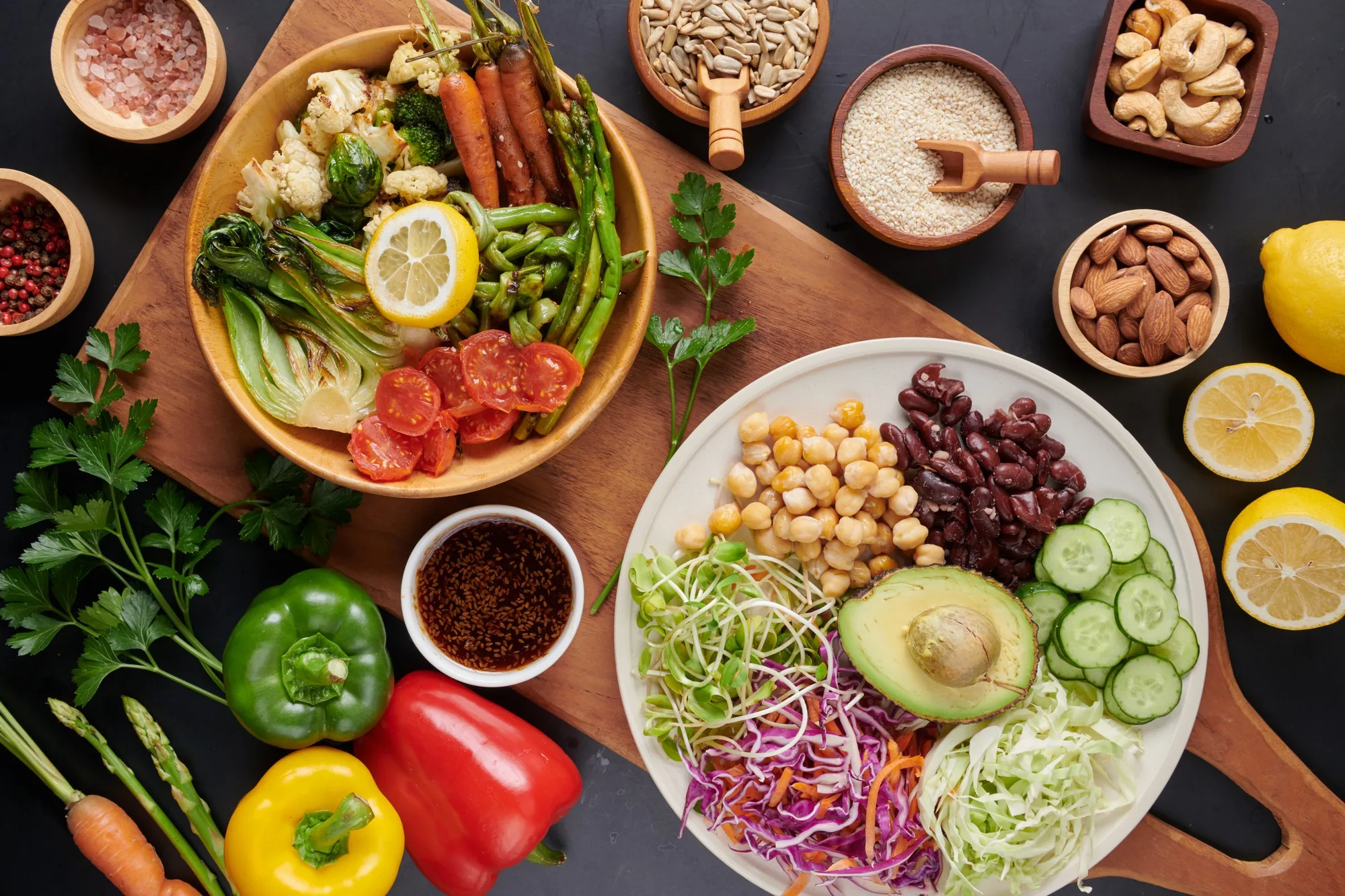
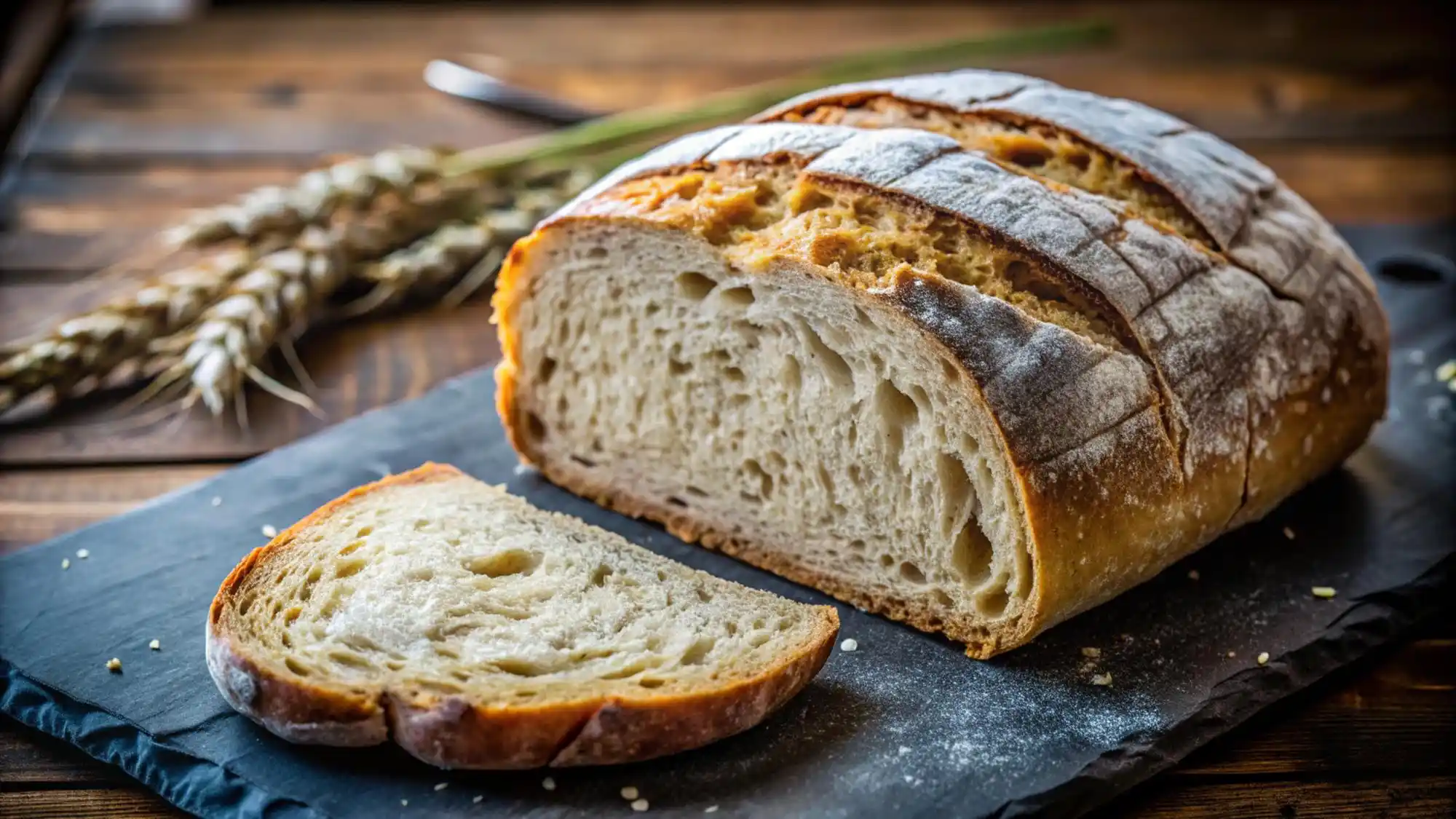
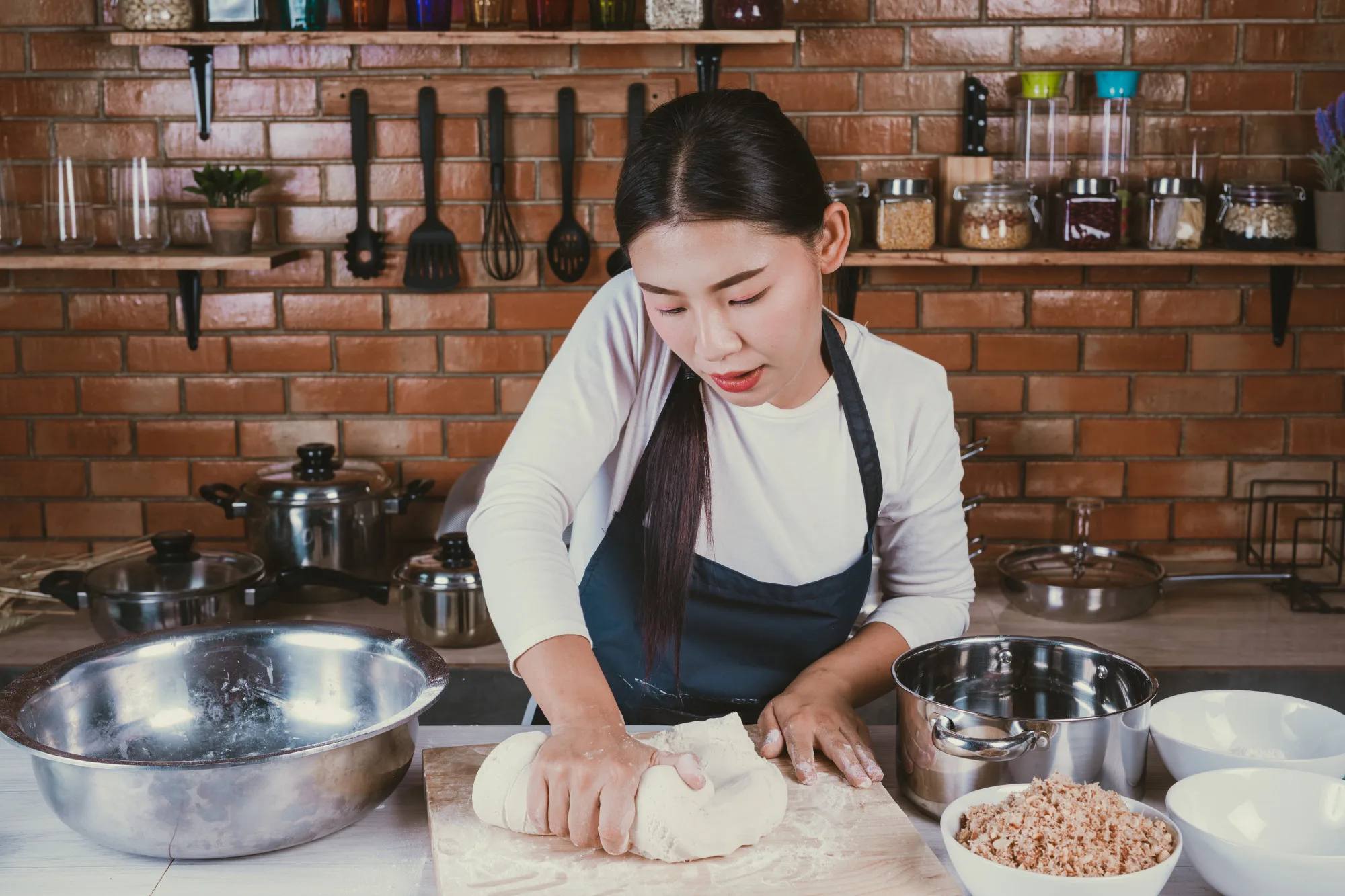
Plant-based baking is no longer a niche trend in Malaysia. It has become a legitimate culinary discipline with commercial demand, rising
plant-based food trends and professional application across cafés, hotels and bakeries.
The challenge is not finding recipes online. It is understanding how plant-based ingredients behave under heat, how to achieve structure without eggs, and how to deliver flavour and texture that meet professional standards.
This article explains why plant-based baking is expanding in Malaysia and where aspiring bakers can develop real technical competence in this growing field.
Key Takeaways
- Plant-based baking requires technical understanding of ingredient behaviour and substitution science, not just recipe swapping.
- Consumer demand for vegan and allergen-friendly baked goods is increasing across Malaysia’s food service sector.
- Professional training develops consistency, shelf stability and commercial viability that self-taught methods often lack.
- Structured programmes combine classical baking foundations with plant-based adaptation techniques for career readiness.
Why Plant-Based Baking Is No Longer Optional
Malaysian consumers are increasingly conscious about dietary choices. Health concerns, environmental awareness and ethical considerations are driving demand for
Malaysia plant-based food market growth across all food categories, including baked goods.
Restaurants, cafés and hotels are responding. Menus now feature vegan pastries, dairy-free cakes and egg-free breads as standard offerings rather than special requests.
This shift creates professional opportunities for bakers who understand how to work without animal products while maintaining quality, texture and visual appeal.
The market is not asking for compromise. It expects excellence.
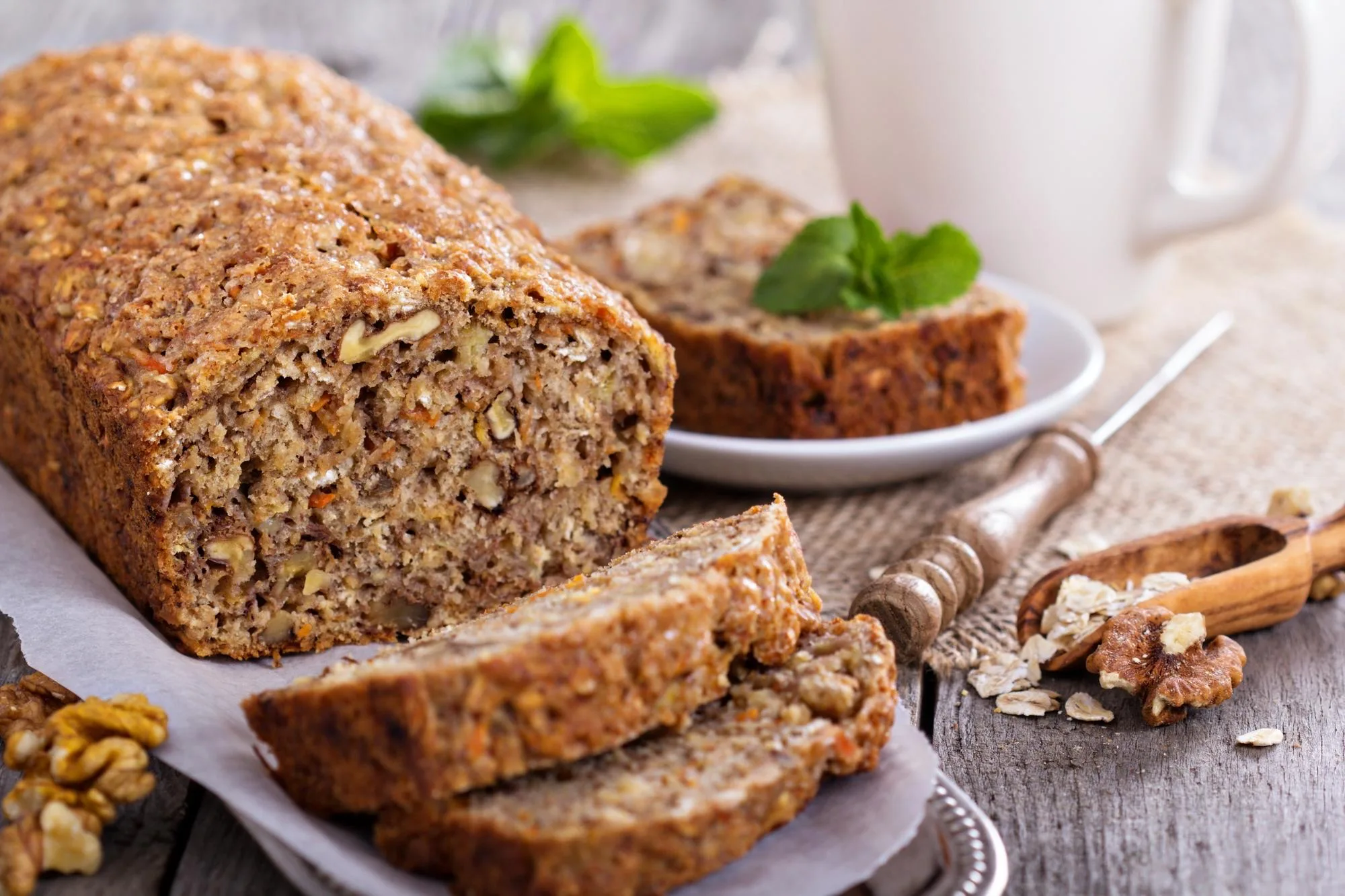
The Technical Challenge of Vegan Baking
Plant-based baking is not simply removing eggs and butter from a recipe. It requires understanding how each ingredient functions and how to replicate that function using plant-based alternatives.
Key technical considerations include:
- Structure and binding – Eggs provide structure in cakes and pastries. Plant-based bakers must understand how plant-based egg substitutes in vegan baking such as flaxseed, aquafaba or commercial binders perform under different conditions.
- Fat behaviour – Butter contributes flavour, texture and lamination properties. Plant-based fats behave differently and require adjusted techniques for croissants, puff pastry and shortbreads.
- Moisture retention – Dairy products affect crumb texture and shelf life. Plant-based milks and yoghurts have different protein and fat structures that impact final results.
- Leavening response – Chemical reactions between ingredients change when animal products are removed. Timing, temperature and mixing methods must be recalibrated.
These are not minor adjustments. They represent fundamental shifts in baking methodology that require hands-on practice and structured feedback to master.
What Proper Training in a Vegan Baking Course Malaysia Offers
Self-taught plant-based baking can develop enthusiasm. Proper training develops reliability.
Structured programmes provide:
Foundation in Classical Baking Principles
Understanding traditional baking techniques is essential before adapting them. Students learn how gluten develops, how fats create texture, and how heat transforms ingredients.
This foundation makes plant-based adaptation logical rather than experimental.
Ingredient Science and Substitution Strategy
Professional training covers the chemistry of plant-based ingredients. Students learn why certain substitutions work in specific applications and fail in others.
This knowledge prevents costly trial-and-error in commercial settings.
Hands-On Practice with Real-Time Correction
Watching videos cannot replicate the value of immediate instructor feedback. Students observe dough consistency, adjust hydration in real time, and refine techniques through repetition.
Mistakes are identified and corrected before they become habits.
Commercial Viability and Shelf Stability
Home baking and commercial production have different requirements. Professional programmes address portion control, cost management, shelf life and presentation standards.
Graduates understand how to produce plant-based goods that meet business expectations, not just personal satisfaction.
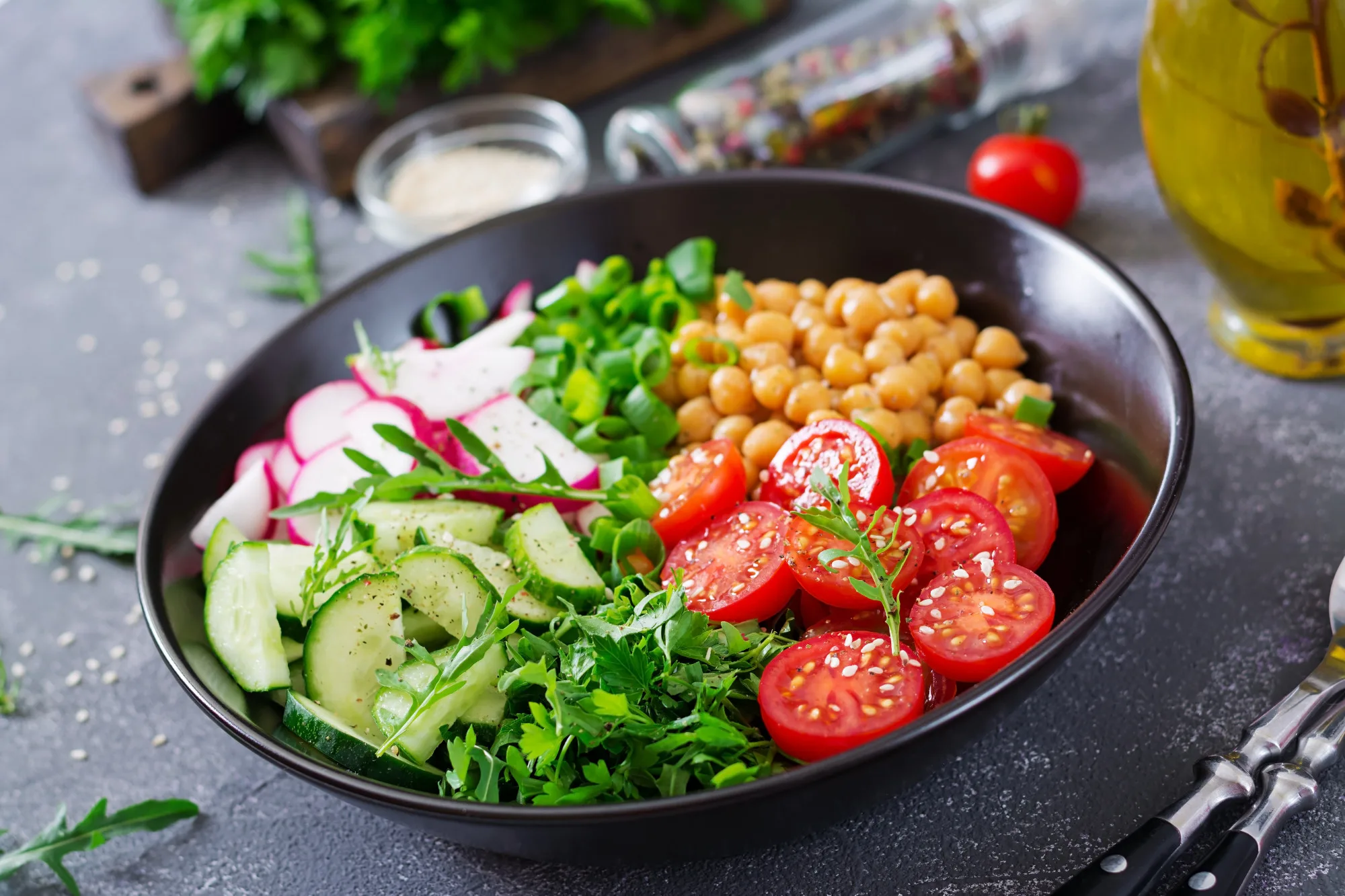
How Plant-Based Training Fits Within Broader Culinary Education
Plant-based baking is increasingly integrated into comprehensive culinary programmes rather than isolated as a separate specialty. Understanding the
top plant-based culinary food and drinks in Malaysia helps illustrate how broad this discipline has become.
Institutions offering plant-based culinary arts training often structure their curriculum to include:
- Classical baking and pastry foundations
- Plant-based ingredient theory and application
- Menu development for diverse dietary requirements
- Practical kitchen experience in simulated service conditions
This integrated approach ensures graduates can work across traditional and plant-based contexts, making them more versatile and employable.
Le Cordon Bleu Sunway offers plant-based culinary arts programmes that combine classical French technique with modern plant-based methodology, preparing students for professional kitchens that serve diverse clientele.
Career Paths After Completing Plant-Based Baking Training
Professional plant-based baking skills open multiple
career paths for pastry and bakery diploma graduates in Malaysia across the evolving food industry.
Bakery and Café Employment
Many bakeries now offer dedicated vegan product lines. Trained bakers can develop, test and produce these items to consistent commercial standards.
Hotel and Restaurant Pastry Sections
Fine dining establishments and hotels require pastry chefs who can accommodate dietary restrictions without compromising presentation or flavour.
Private Catering and Custom Orders
Demand for custom vegan cakes, pastries and desserts for events continues to grow. Trained bakers can operate independently or within catering businesses.
Product Development and Consulting
Food manufacturers and hospitality groups seek consultants who can develop plant-based menu items and train existing kitchen staff.
Each pathway requires technical competence, consistency and professional discipline that structured training provides.
What to Look for in a Vegan Baking Course Malaysia
Not all plant-based baking courses offer the same depth or industry relevance. For a
complete guide to pastry and baking courses in Malaysia, consider the following factors when evaluating options:
| Factor |
What to Look For |
| Instructor Expertise |
Professional chefs with commercial plant-based baking experience and teaching credentials |
| Curriculum Depth |
Coverage of both classical foundations and plant-based adaptation techniques |
| Practical Hours |
Significant hands-on kitchen time with real equipment and commercial-scale production |
| Industry Recognition |
Qualifications that carry weight with employers and align with professional standards |
| Facilities |
Professional kitchen environments with commercial-grade ovens, mixers and tools |
Programmes affiliated with established culinary institutions typically offer stronger industry connections and more rigorous training standards.
The Long-Term Value of Professional Plant-Based Training
Investing in structured plant-based baking education delivers returns beyond immediate skill acquisition.
Graduates gain:
- Adaptability – Ability to work across traditional and plant-based contexts as market demand shifts
- Problem-solving capacity – Understanding of ingredient behaviour enables creative solutions to technical challenges
- Professional credibility – Recognised qualifications and structured training history enhance employment prospects
- Network access – Connections with instructors, peers and industry professionals that support career progression
These advantages compound over time, supporting long-term career development in an expanding sector.
Moving From Interest to Professional Capability
Plant-based baking in Malaysia has moved beyond trend status. It represents a permanent shift in consumer expectations and professional requirements.
For aspiring bakers, the question is not whether
plant-based culinary skills in demand in Malaysia matter, but how to develop them to professional standard.
Structured training provides the technical foundation, practical experience and industry recognition that self-taught methods cannot replicate.
If you are serious about building capability in this growing field, explore programmes that combine classical baking expertise with modern plant-based methodology. Le Cordon Bleu Sunway’s plant-based culinary arts training offers exactly this combination, preparing students for professional kitchens where quality and dietary inclusivity are equally non-negotiable.
Contact
Le Cordon Bleu Sunway today to learn how structured plant-based baking training can position you for success in Malaysia’s evolving culinary landscape.