The culinary entrepreneurship curriculum at Le Cordon Bleu Malaysia is a three-month intensive diploma that combines cuisine, pastry and bakery training with business skills such as costing, branding, operations and planning.
Rather than treating cooking and commerce as separate worlds, it brings them together in one programme, which makes it a practical option for people who want to start their own food business but are not sure where to begin.
Key Takeaways
- The diploma is a three-month, incubator-style programme that blends kitchen training with entrepreneurship.
- The curriculum moves from product development to costing, branding, legal awareness and a business plan.
- Culinary entrepreneurship covers signature products, e-commerce and catering, not only restaurants.
- Success depends on your concept, market and execution, not the programme alone.

Great Cooking Is Not a Business Plan
You can plate beautifully and still struggle to price a product, find customers or keep a kitchen financially healthy.
That gap is what this diploma aims to address. Instead of teaching technique alone, it asks you to build a food concept alongside it.
A common misconception is that culinary entrepreneurship simply means opening a restaurant. The curriculum points to a wider field, including signature products, e-commerce and other market-ready food ventures.
The Curriculum, Step by Step
Rather than a stack of unrelated subjects, the programme can be read as a journey from idea to launch readiness.
Each step builds on the one before it, so by the end you have moved from a rough idea to something you can test, price and present.
Step 1: Build Your Foundation
Practical training across cuisine, pastry and bakery gives you the technical base, alongside food safety and hygiene.
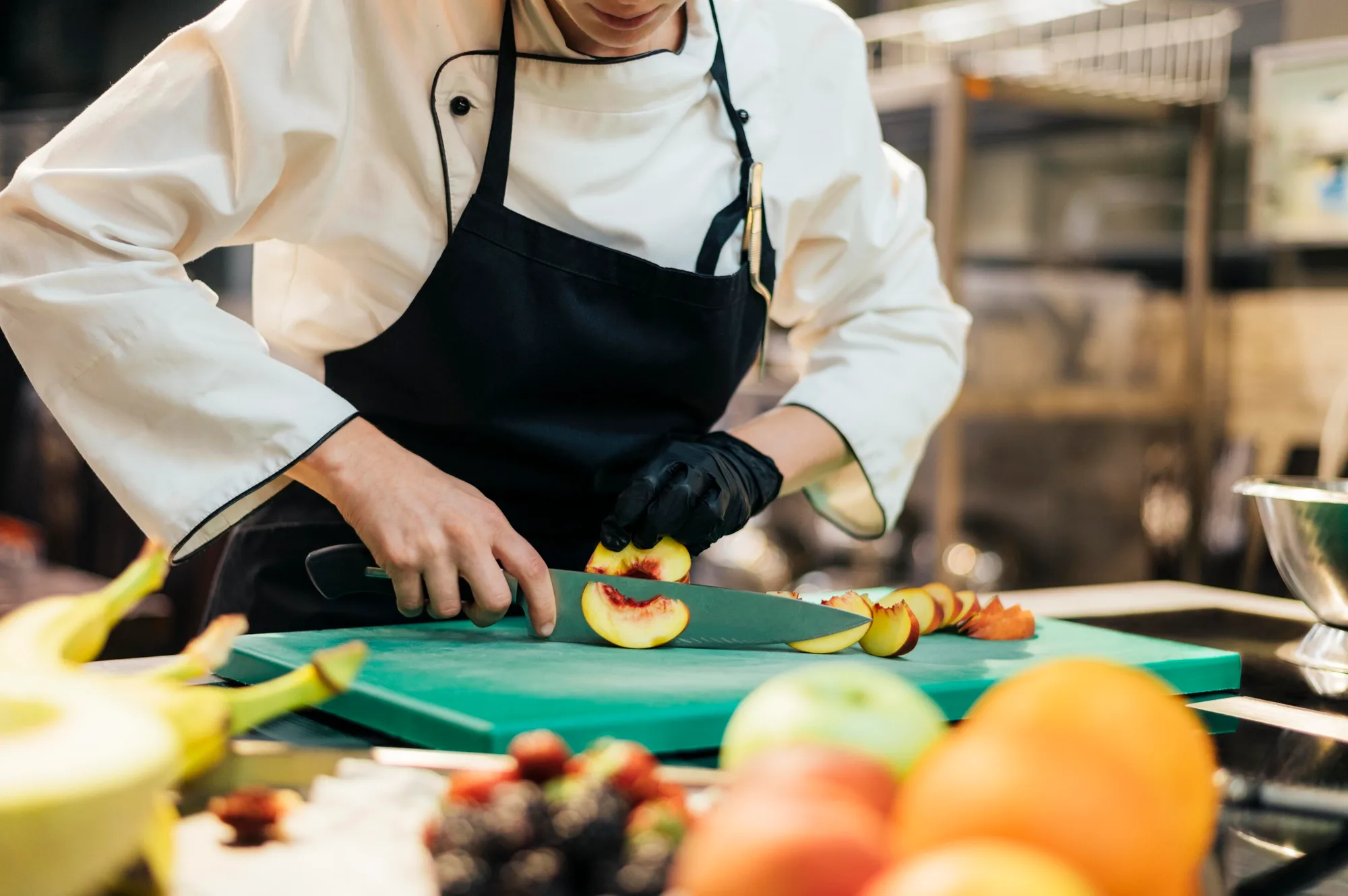
Le Cordon Bleu Malaysia describes its teaching as largely practical, combining chef demonstrations with hands-on work in a professional kitchen classroom. A solid grounding across all three disciplines also gives you more options when deciding what your own product or concept should be.
Step 2: Develop a Signature Product
Through the Culinary Innovation Hub and Signature Product R&D, you work on a concept and refine it. This is where technique becomes something customers might actually buy.
Testing and adjusting a product early helps you understand what works, what needs improving and what makes your idea different.
Step 3: Learn the Numbers
Financial Principles and Business Operations cover costing and how a food business runs day to day. Menu engineering and costing help you see whether a product can be profitable.
Understanding your numbers early helps you set realistic prices and avoid surprises once you start trading.
Step 4: Shape Your Brand
Concept Branding and Marketing looks at how your product is presented and positioned. Areas such as food styling and e-commerce also relate to how it reaches customers.
Strong branding helps a product stand out and makes it easier for customers to remember and trust.
Step 5: Plan Your Start-Up
Food Business Start-Up and the Legal Framework module prepare you for the practical side of launching. In Malaysia, this includes understanding areas such as compliance and halal certification.
Knowing these requirements before you launch can save time and help you plan your timeline and budget more carefully.
Step 6: Present Your Business Plan
The Business Plan Project, supported by mentorship, culminates in a business-project presentation. It gives you something concrete to refine and share.
Presenting your plan also helps you practise explaining your idea clearly, which is a useful skill when speaking to customers or partners.

Culinary Diploma or Entrepreneurship Diploma?
If you want to train as a chef first, the Grand Diplôme or individual cuisine, pastry and bakery diplomas may be a better starting point.
| Aspect | Conventional Culinary Diploma | Culinary Entrepreneurship Diploma |
|---|---|---|
| Main focus | Developing professional technique | Turning technique into a food business |
| Typical outcome | Kitchen careers | A tested concept and business plan |
| Best suited to | Those starting a chef career | Those with a business idea to develop |
If you want to train as a chef first, the Grand Diplôme or individual cuisine, pastry and bakery diplomas may be a better starting point.
Do You Need Experience First?
Le Cordon Bleu Malaysia’s general culinary programmes do not require prior culinary experience. The entrepreneurship diploma may have its own admission requirements, so check these with the school, including any prerequisites that apply to this particular diploma.
It may suit aspiring owners of packaged products, catering, pop-ups or other low-overhead ventures, as well as people who already cook well and want business structure.
Having a rough food idea in mind before you apply, even if it is still unrefined, can help you get more from the programme, since much of the learning centres on developing and testing a concept.
Ready to Test Your Idea?
If you have a food concept and want structured support to shape it, this diploma offers a defined route within three months. A short, focused programme can suit people who want to move quickly, though it also means the pace is intensive, so think about how much time and energy you can commit. Intake dates and fees can change, so confirm the latest details with the school.
Before you enquire, jot down your concept, your target customers and any questions about costing or launch planning, so you can make the most of a conversation with the admissions team.
Visit Le Cordon Bleu Sunway to find out more about the Diploma in Culinary Entrepreneurship.
Frequently Asked Questions
What is the Diploma in Culinary Entrepreneurship?
It is a three-month intensive programme at Le Cordon Bleu Malaysia that combines cuisine, pastry and bakery training with entrepreneurship.
It is designed to help students develop a food concept, test a signature product, understand costing and operations, and prepare a business plan. The focus is on turning kitchen skills into a food business rather than only preparing for a kitchen career.
What does the programme include?
Modules include Culinary Innovation Hub, Food Safety and Hygiene, Signature Product R&D, Concept Branding and Marketing, Food Business Start-Up, Business Operations, Financial Principles and Legal Framework.
Students also complete a Business Plan Project with mentorship and a presentation. Together, these cover the journey from developing a product to presenting a plan, so you gain both technical and commercial skills.
Who is this diploma suitable for?
It may suit aspiring food entrepreneurs, home bakers or cooks with a business idea, and people considering packaged products, catering or other food ventures.
Those who first want to build a chef career may prefer a conventional diploma, and it is worth weighing up short courses against full diplomas before you decide.
When should I start planning my application?
It helps to start several weeks or months before your preferred intake. Review the intake dates, check admission requirements and prepare a rough idea of your food concept. Contact the school early to confirm timelines.
Giving yourself time also lets you think through your concept before you apply, which can make the programme more useful once you begin.
How long does it take and how much does it cost?
The programme runs for three months. Fees depend on the intake and fee category, so confirm the current amount directly with Le Cordon Bleu Malaysia and ask what the fees include.
Also consider the costs of developing your own product and starting a business afterwards, such as ingredients, packaging and equipment.
Does the diploma guarantee a successful business?
No. It provides training, mentorship and a structured business plan, but success depends on your concept, market, funding and execution. The programme is best seen as a way to prepare more thoroughly, not as a guarantee.
Factors outside the classroom, such as location, competition and cash flow, also shape how a food business performs.
How do I choose the right culinary entrepreneurship programme?
Look at the curriculum balance between kitchen training and business skills, the level of mentorship, facilities and the school’s reputation. Check admission requirements, duration and fees, and ask how the programme supports your specific type of venture.
Speaking to the admissions team can help you judge whether its focus matches your goals.
Is the curriculum only for restaurant owners?
No. The culinary entrepreneurship curriculum covers areas such as signature product development, branding, e-commerce and business planning.
These can support restaurants, but also packaged goods, catering, pop-ups and other food concepts.
Because the focus is on developing a concept, the skills can be applied to whichever kind of venture suits your idea.