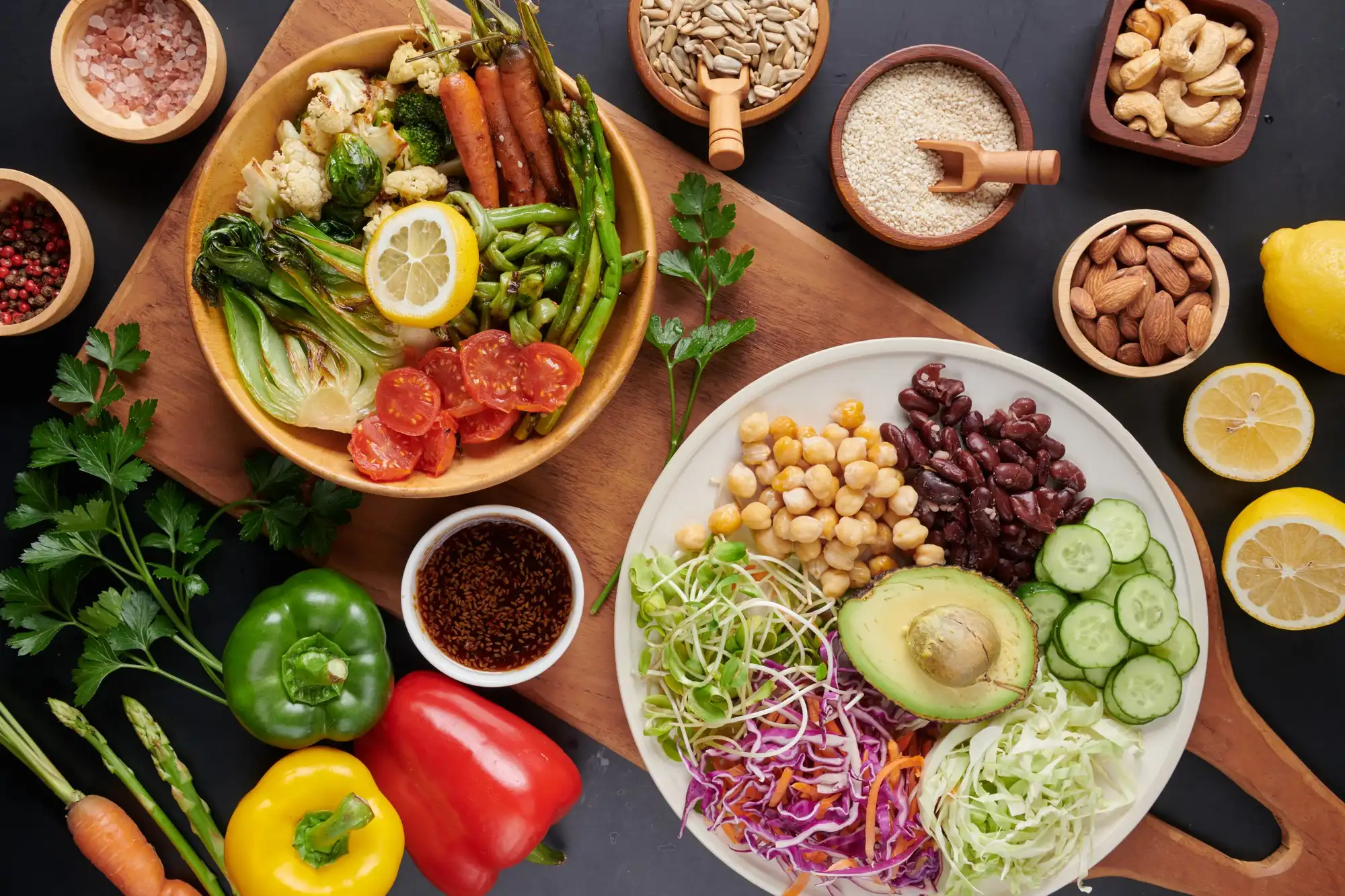
Plant based culinary techniques are the professional cooking methods used to build flavour, texture and structure from vegetables, fruits, legumes, grains, nuts and seeds.
The Diploma in Plant-Based Culinary Arts at Le Cordon Bleu Sunway covers both Cuisine and Pâtisserie, applying these methods in a vegan-focused kitchen, at a time when plant-based culinary skills are increasingly sought after in Malaysian kitchens.
These techniques matter because a plant-based dish has no meat or dairy to fall back on, so every choice about heat, seasoning and texture has to be deliberate.
Key Takeaways
- Plant based culinary techniques are professional methods, not simple ingredient swaps.
- Training covers classical skills such as knife work, roasting and sauce-making, alongside fermentation, dehydration and preservation.
- The diploma spans both Cuisine and Pâtisserie, so savoury and sweet cooking are covered.
- Understanding ingredients, nutrition and menu planning matters as much as cooking technique.
It Is Not Just Swapping Ingredients
Removing meat or dairy from a recipe does not make a good dish. A professional has to rebuild richness, depth and structure using different tools.
Plant-based describes cooking centred on plant ingredients, while vegan cooking excludes all animal-derived ingredients. The Le Cordon Bleu Sunway programme is focused on modern vegetarian and vegan cooking, from appetisers to desserts, using fresh, seasonal ingredients.
That focus means technique has to do the heavy lifting. Students learn why an ingredient behaves the way it does, then choose the right method for it.
Core Plant Based Culinary Techniques
Professional plant-based training generally draws on a broad toolkit, combining classical kitchen skills with methods that bring out more from plant ingredients. Here are the methods you can expect to meet, along with why each one matters.
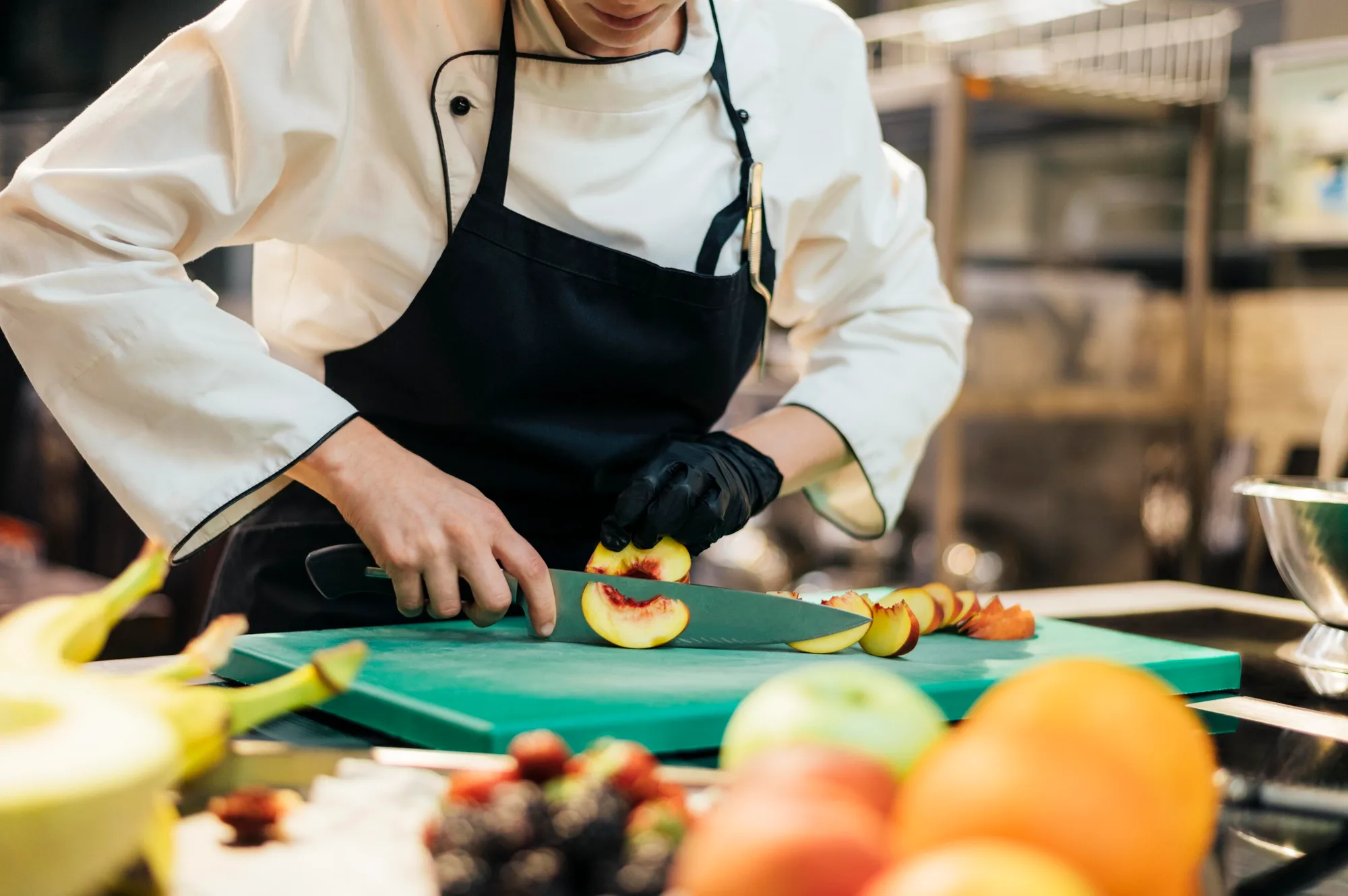
Knife Skills and Vegetable Preparation
Precise cuts help vegetables cook evenly and look refined on the plate. Without meat as the centrepiece, a well-cut vegetable carries more of the dish.
Consistent cuts also affect texture, since pieces of different sizes finish cooking at different times, and good preparation includes peeling, trimming and portioning with minimal waste.
Sautéing, Roasting and Grilling
Heat creates browning and caramelisation, which add savoury depth. Roasting cauliflower or grilling aubergine develops flavour that raw or boiled preparation cannot.
Controlling temperature and timing is the key, because the aim is deep colour and natural sweetness without tipping into bitterness or dryness.
Pressure Cooking and Sous-Vide
Pressure cooking can soften legumes and pulses efficiently, while sous-vide offers gentle, controlled cooking for vegetables that need consistent texture. Both give the cook more precision, which helps when producing the same dish reliably across a busy service.
Fermentation, Preservation and Dehydration
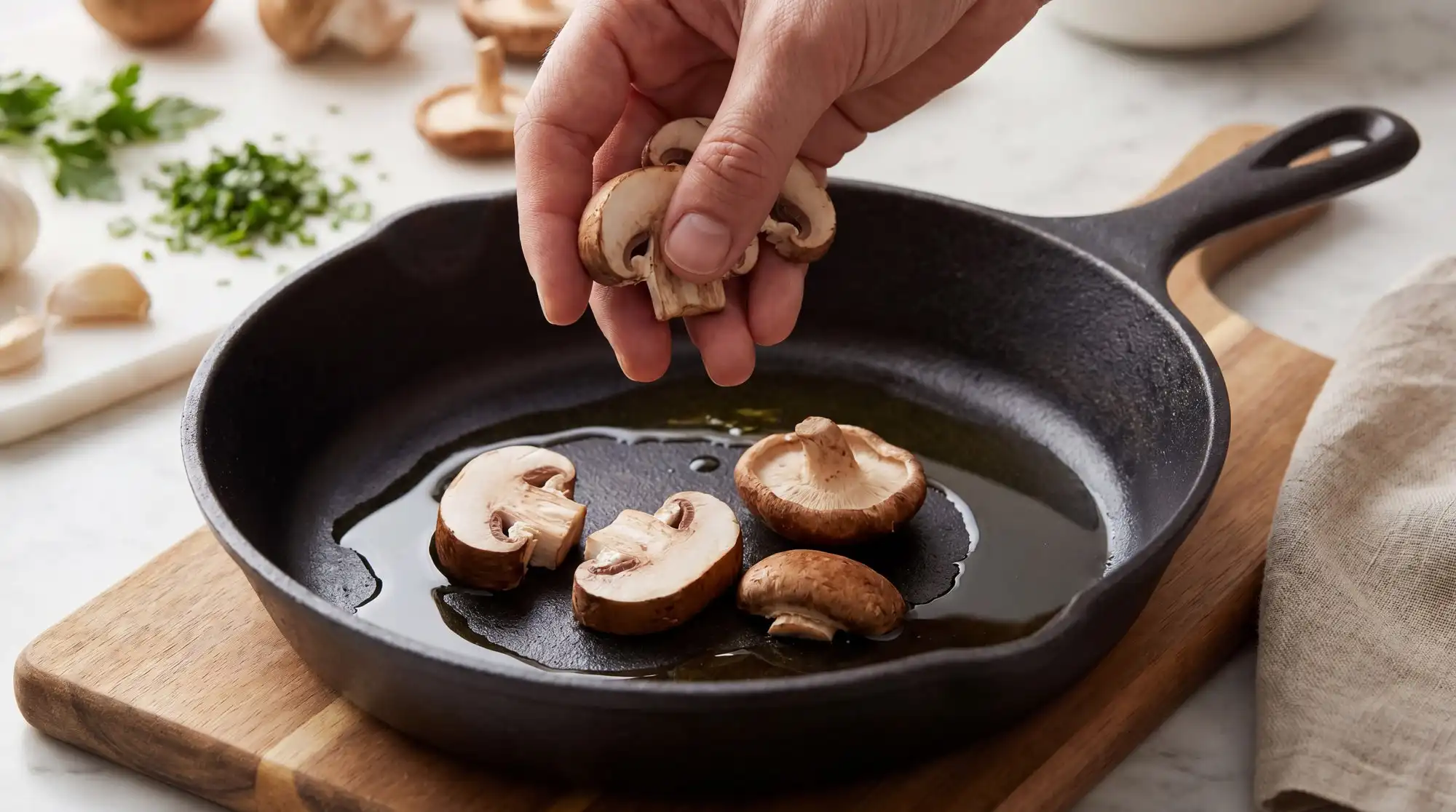
These methods concentrate or transform flavour. Fermented vegetables bring acidity and complexity, while dehydrated mushrooms deliver a deep umami note for sauces and stocks.
Fermentation relies on the same kind of controlled activity behind the science of fermentation in bread, which is why timing, temperature and cleanliness matter so much. Preservation also helps chefs make use of seasonal produce and reduce waste.
Specialist Methods
Professional plant-based courses may also include techniques such as tofu production and sprouting, which give students more control over their core ingredients. Making key ingredients from scratch lets a chef adjust texture, flavour and freshness rather than relying on ready-made products.
Building Flavour Without Animal Fats
Stocks, sauces and soups are where classical French training meets plant-based cooking. A vegetable stock built from roasted aromatics, kombu or dried mushrooms can have real body.
Texture needs the same attention. Nuts, seeds, coconut and starches can create creaminess, while legumes and grains add substance.
Malaysian kitchens have an advantage here. Tropical produce and Southeast Asian flavours such as lemongrass, galangal, tempeh and young jackfruit pair naturally with French methods, giving students plenty of room to create dishes that feel local and refined.

Pâtisserie Without Eggs and Butter
Eggs, butter and cream give conventional pastry its structure. Plant-based pâtisserie asks you to understand what each one does, then replace that function with something else.
| Function | Conventional Source | Plant-Based Approach |
|---|---|---|
| Richness | Butter, cream | Nut and coconut-based fats |
| Binding or foaming | Eggs | Aquafaba, starches, plant-based binders |
| Creaminess | Dairy milk | Plant milks, cashew cream |
The exact methods taught can vary, but the principle stays the same: know the science, then choose the substitute deliberately.
Skills Beyond the Stove
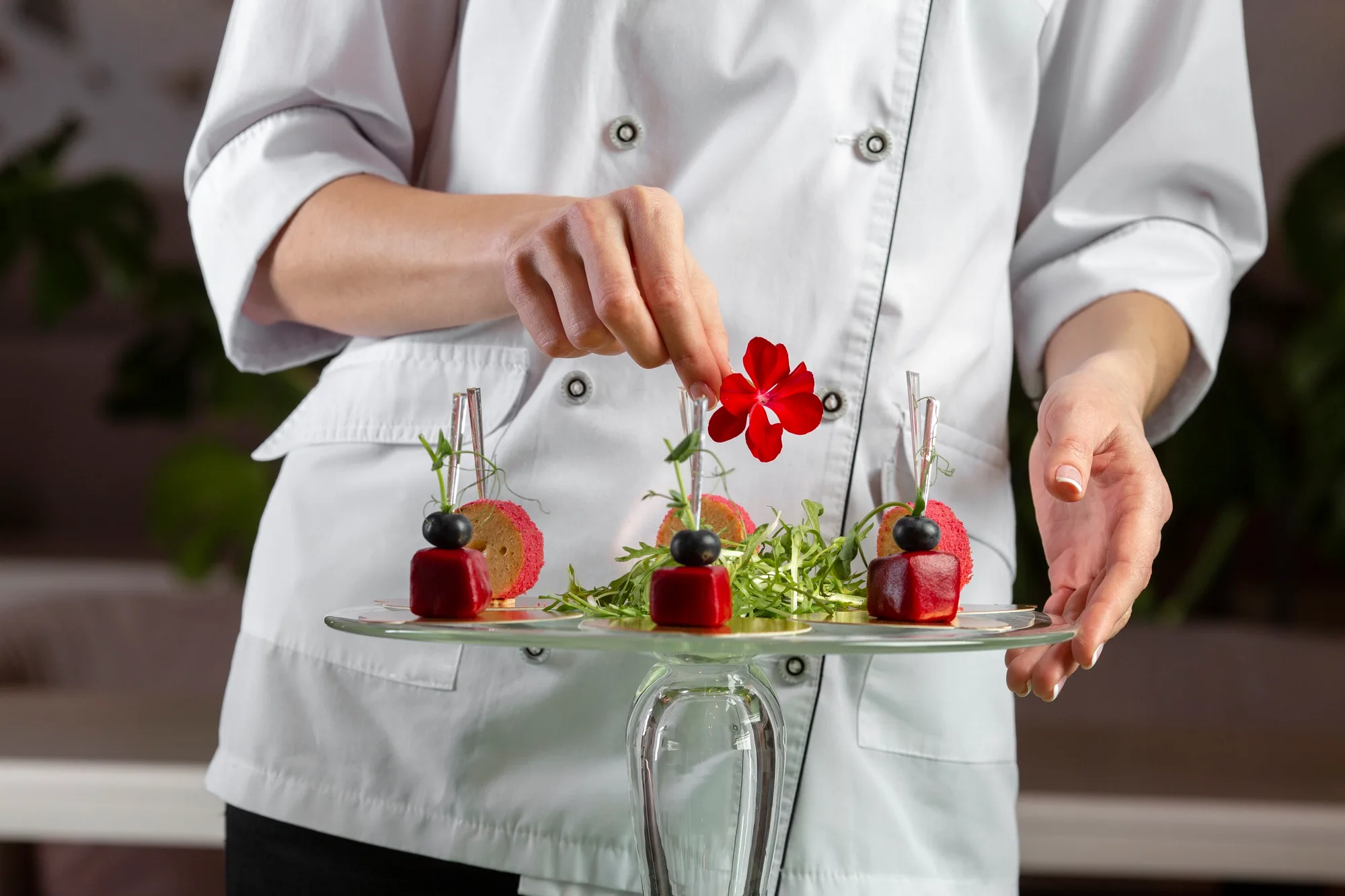
Technique is only part of professional training. Students also work on recipe development, ingredient substitution, menu planning and modern plating. Developing a menu means balancing flavours, textures and costs across a range of dishes, so that each plate works on its own and as part of a complete meal.
Nutrition and sustainable cooking practices are highlighted too, along with kitchen organisation, food safety and allergen awareness. These habits help a chef run a plant-based section with confidence, whether in a restaurant, hotel or their own venture.
Allergen awareness is especially important, since nuts, soy and gluten are common in plant-based cooking and guests often rely on accurate information.
Ready to See It for Yourself?
Learning these methods properly takes structured guidance and repeated practice. Watching a technique is one thing, but building the judgement to adjust seasoning, timing and texture comes from doing it again and again with feedback from an experienced chef instructor. Entry requirements include completion of high school or an equivalent qualification and an IELTS band score of 5.5.
For current fees and intake details, contact the school directly or visit Le Cordon Bleu Sunway to find out more about the Diploma in Plant-Based Culinary Arts. Asking how the Cuisine and Pâtisserie sides are structured is a good place to start, so you know exactly what to expect from each.
Frequently Asked Questions
What are plant based culinary techniques?
Plant based culinary techniques are the cooking methods chefs use to prepare food centred on plant ingredients. They include knife skills, roasting, sautéing, pressure cooking, fermentation and dehydration.
The goal is to develop flavour, texture and structure from vegetables, legumes, grains, nuts and seeds without relying on animal products.
What does the Diploma in Plant-Based Culinary Arts include?
The diploma at Le Cordon Bleu Sunway covers both Cuisine and Pâtisserie. The Cuisine side focuses on modern vegetarian and vegan cooking, from appetisers to desserts, with attention to nutrition and sustainable practices.
Confirm the current details with the school, as modules and schedules may change.
Who is this diploma suitable for?
It may suit aspiring chefs, career changers, food entrepreneurs and cooks who want to specialise in plant-based cuisine.
Applicants need to have completed high school or an equivalent qualification and meet the English requirement of an IELTS band score of 5.5.
When should I start planning my application?
It helps to start a few months ahead so you can check intake dates, prepare documents and arrange an English test if needed.
Contact the admissions team early to confirm timelines and what applies to your circumstances.
How much does the programme cost and how long does it take?
Fees and duration depend on the current programme structure and intake. Because these details can change, the most reliable source is the school itself. Check the fees page or speak with the team to get up-to-date information before you decide.
Is plant-based cooking just vegan cooking?
Not exactly. Plant-based generally means centred on plants, and some definitions allow limited animal products, while vegan cooking excludes them entirely.
The Le Cordon Bleu Sunway programme is vegan-focused, so you can expect a strong emphasis on animal-free cooking.
How do I choose the right plant-based culinary school?
Look at the curriculum depth, practical kitchen time, instructor experience and recognised credentials. Check whether pâtisserie is included, how food safety is taught and what entry requirements apply. Visiting, asking questions and comparing programmes can help you decide what fits your goals.
Can plant based culinary techniques be applied to Malaysian ingredients?
Yes. Methods like fermentation, roasting and sauce-building work well with tropical produce, tempeh, jackfruit and aromatic Southeast Asian ingredients. Chefs can combine classical technique with local flavours to create dishes that feel both refined and familiar.