Malaysian pastry kitchens are no longer choosing between French technique and Asian flavour.
They are combining both. Precision lamination meets pandan. Classic choux pastry holds gula Melaka cream. Tarte Tatin sits beside kuih-inspired tarts.
This is not fusion for novelty. It is technical mastery applied to culturally relevant ingredients, creating pastries that respect tradition while reflecting local identity.
Key Takeaways
- Malaysian bakers are applying classical French patisserie techniques to Asian ingredients and flavour profiles
- Mastery of foundational methods allows for controlled innovation rather than guesswork
- Structured training in patisserie techniques Malaysia provides the technical foundation needed for creative adaptation
- The result is pastry that honours both French precision and Southeast Asian culinary heritage
Why French Technique Matters for Asian Pastry
French patisserie is built on structure. Ratios are precise. Temperatures are controlled. Timing is non-negotiable.
These principles do not belong exclusively to French desserts. They apply to any pastry that requires consistency, texture control and visual refinement.
Malaysian bakers who understand French methods gain the ability to work with any ingredient. They know how gelatin behaves in tropical heat. They can adjust sugar ratios when working with palm sugar. They understand emulsification when incorporating coconut cream.
Technical control allows creativity to function reliably. Without it, innovation becomes inconsistent.
What Patisserie Techniques Malaysian Bakers Are Mastering
The foundation remains classical. Malaysian pastry professionals are trained in the same core techniques used in European kitchens.
Laminated Dough and Viennoiserie
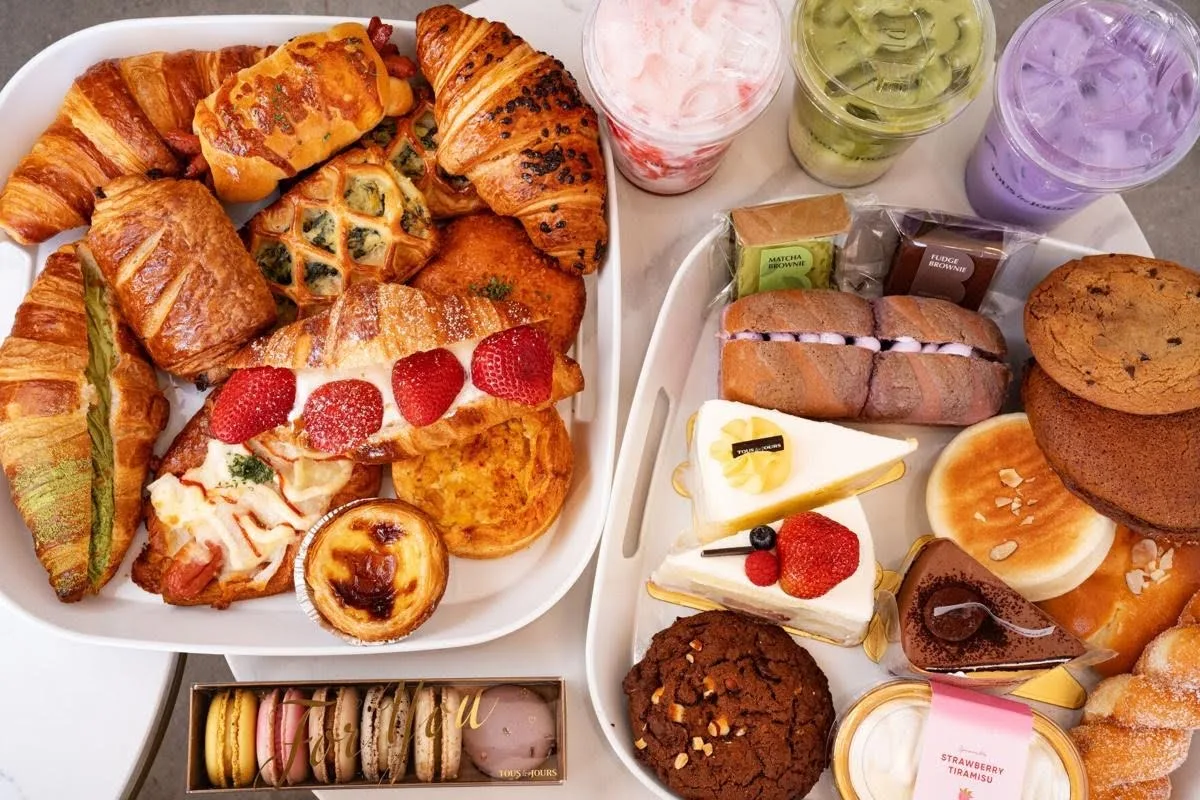
Croissants, danishes and puff pastry require precise folding, temperature management and dough handling. These skills translate directly to local applications, such as curry puffs with flawless layers or kaya-filled pastries with butter-rich lamination.
Understanding lamination means controlling texture at every stage. Malaysian bakers apply this to both traditional French viennoiserie and regional adaptations. Those interested in refining this skill can explore a croissant making course that builds precision through repetition.
Cream Work and Custards
Crème pâtissière, crème anglaise and ganache are fundamental components. Malaysian pastry chefs adapt these bases by infusing them with pandan, lemongrass, ginger or coconut.
The technique remains unchanged. The flavour profile shifts to reflect local palates.
Tarts and Shortcrust Pastry
Pâte sucrée and pâte brisée form the base of countless French desserts. Malaysian bakers use the same methods to create tart shells filled with tropical fruit curds, salted egg custards or ondeh-ondeh-inspired fillings.
Precision in dough handling ensures consistent texture regardless of what sits inside the shell.
Mousse and Entremet Construction
Modern French patisserie involves multi-layered cakes with mousse, insert layers and mirror glazes. Malaysian bakers are applying these same assembly techniques to flavours like teh tarik, durian, cendol and black sesame.
The structure is European. The identity is unmistakably Malaysian.
How Asian Ingredients Challenge and Expand Technique
Working with local ingredients requires adaptation. Not all tropical fruits behave like European berries. Not all sweeteners react the same way as caster sugar.
Malaysian bakers trained in classical patisserie techniques learn to adjust without compromising structure.
Managing Moisture in Tropical Climates
Humidity affects dough hydration, chocolate tempering and sugar work. Bakers must account for environmental conditions when executing French techniques in Malaysian kitchens.
This requires understanding the science behind each method, not just following recipes.
Flavour Balancing with Unfamiliar Sweeteners
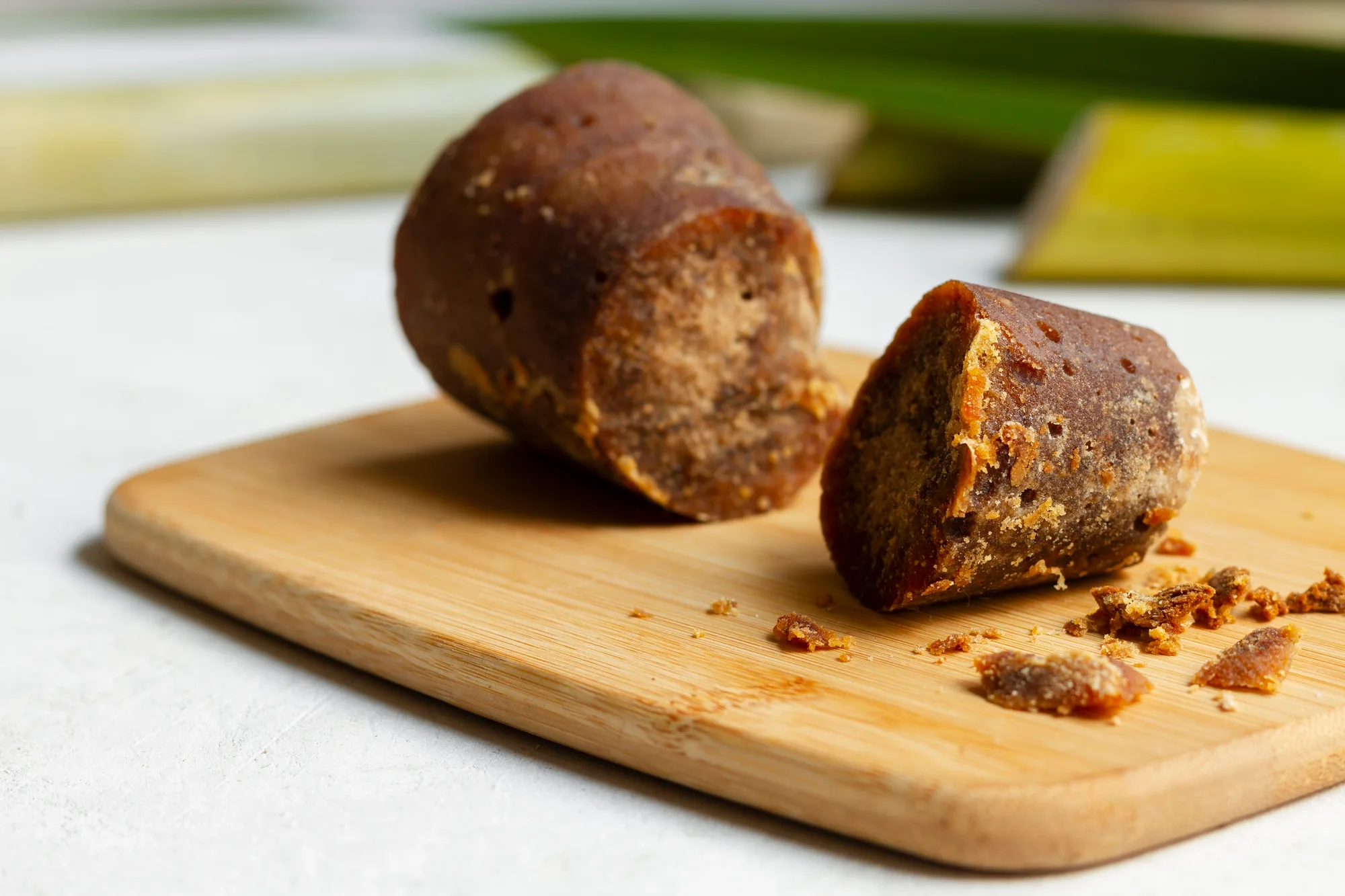
Gula melaka, coconut sugar and palm sugar sweetener have different moisture content and sweetness levels than refined sugar. Adjusting ratios while maintaining texture requires technical knowledge.
French training provides the baseline. Experience with local ingredients builds the refinement.
Incorporating Savoury and Herbal Notes
Pandan, screwpine, torch ginger and turmeric are not traditional patisserie ingredients. Yet Malaysian bakers are incorporating them into creams, mousses and sponges with controlled results.
This is possible because they understand emulsification, aeration and flavour extraction at a technical level.
Why Structured Training Accelerates This Fusion
Self-taught bakers can experiment. Trained pastry chefs can execute with consistency.
Structured programmes in patisserie techniques Malaysia provide the foundation that makes controlled innovation possible. Students learn the rules before they break them.
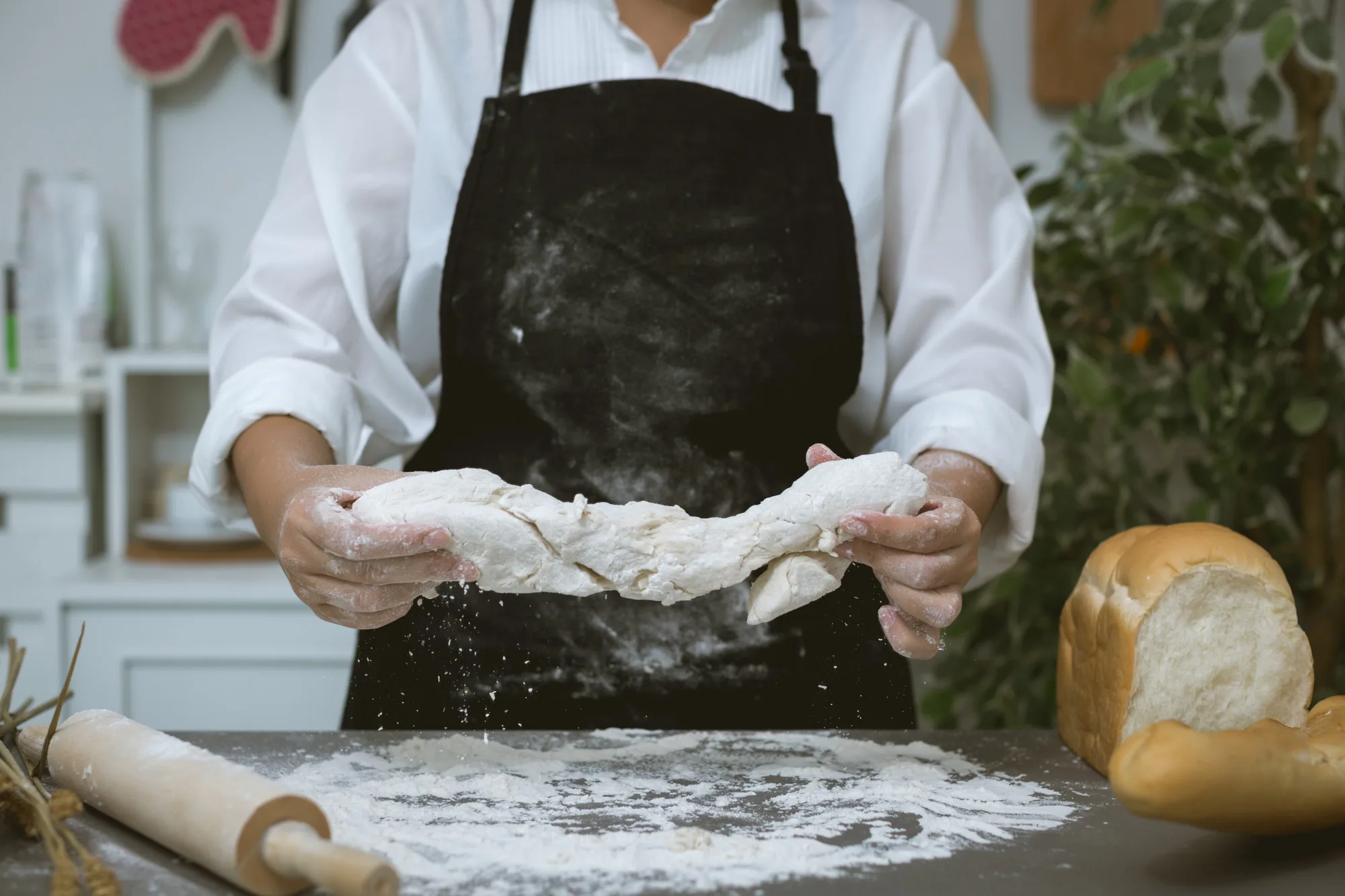
They practise lamination until muscle memory forms. They repeat custard preparation until they recognise texture by sight. They refine plating until presentation becomes instinctive.
This repetition builds the confidence needed to adapt techniques to unfamiliar ingredients. For those looking to build a strong foundation across both pastry and baking disciplines, a complete guide to pastry and baking offers clarity on available pathways.
Training also exposes students to the broader principles that govern all cooking. Understanding French cooking techniques strengthens a baker’s ability to work across both sweet and savoury applications, expanding creative range.
Real Examples of French-Asian Pastry Innovation
Malaysian bakeries and hotels are producing pastries that reflect this technical fusion.
- Pandan croissants with coconut butter filling, executed with precise lamination
- Teh tarik éclairs with gula Melaka glaze, built on classical choux pastry technique
- Durian mille-feuille with stabilised cream layers, requiring controlled puff pastry and pastry cream mastery
- Black sesame tarts with French shortcrust bases and Asian-inspired custard fillings
Each of these creations depends on foundational French technique. The innovation lies in flavour, not in structural improvisation.
What This Means for Malaysian Pastry Careers
Bakers who can execute both French classics and culturally relevant adaptations have a distinct professional advantage.
Hotels, cafés and fine dining establishments seek pastry chefs who understand classical methods and can apply them to local contexts. This dual capability opens opportunities in both international and regional kitchens.
Mastery of French patisserie techniques provides career mobility. It signals discipline, precision and versatility to employers across Southeast Asia and beyond.
Bridging Worlds Through Disciplined Craft
French patisserie and Asian flavours are not opposites. They are complementary when approached with technical understanding.
Malaysian bakers are proving that classical training does not limit creativity. It enables it. Precision becomes the tool that allows innovation to function reliably.
For aspiring pastry professionals, the path forward is clear. Master the fundamentals. Understand the science. Then apply that knowledge to the ingredients and flavours that reflect your culinary identity.
If you are ready to build the technical foundation that supports creative pastry work, explore the structured programmes available at Le Cordon Bleu Sunway.