You can spend years in a kitchen and still hit a ceiling if you never learned the foundations properly.
French cooking techniques are not about snobbery or Michelin stars. They are about understanding the logic behind every sauce, cut and cooking method that modern kitchens still rely on, whether you are plating fine dining in Kuala Lumpur or running a bistro in Penang.
This guide covers the essential French cooking techniques Malaysia-based chefs should master to build a versatile, professional skill set that translates across cuisines and kitchen environments.
Key Takeaways
- Classical French techniques including knife skills, mother sauces and stock preparation form the foundation of professional cooking across most modern kitchens in Malaysia
- Mastering these methods improves consistency, speed and adaptability, allowing chefs to execute diverse menus and troubleshoot recipes with confidence
- French culinary training emphasises mise en place, precision and understanding why techniques work, not just memorising recipes
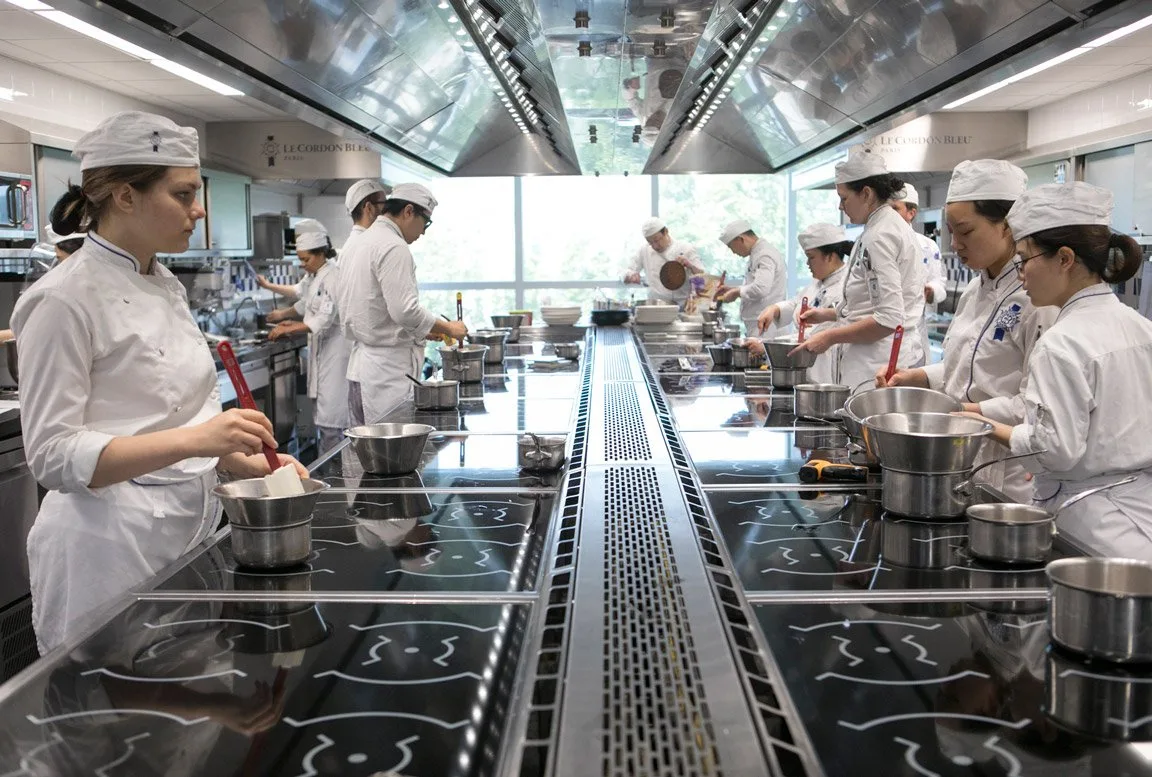
- Structured programmes such as the Le Cordon Bleu Diplôme de Cuisine provide hands-on instruction in these techniques within a professional Malaysian kitchen setting
Why French Technique Still Matters in Malaysian Kitchens
French culinary technique is the common language of professional kitchens worldwide, and Malaysia is no exception.
Whether you are working in a hotel brigade, a modern European restaurant or a fusion concept, the vocabulary, methods and standards trace back to classical French training. Stocks, sauces, knife cuts and cooking methods taught in French culinary schools remain the baseline competencies employers expect from serious chefs.
Understanding these cooking techniques Malaysia chefs use daily gives you the flexibility to adapt recipes, fix mistakes on the fly and communicate clearly with kitchen teams trained in the same tradition.
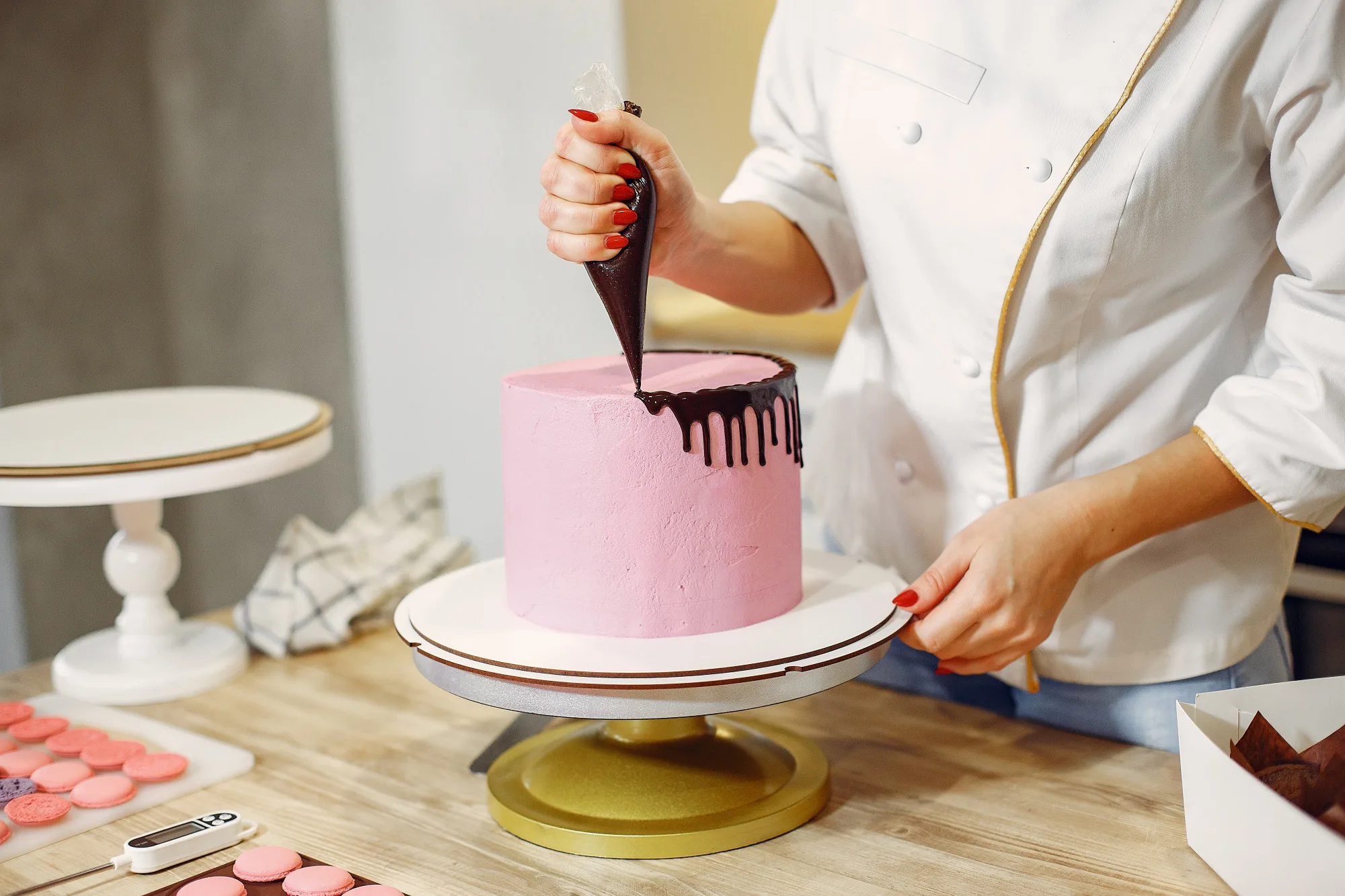
The same foundations also underpin classic viennoiserie, including laminated pastries such as croissants, where precise dough handling and temperature control are essential.

The Five Mother Sauces and Why They Are Not Optional
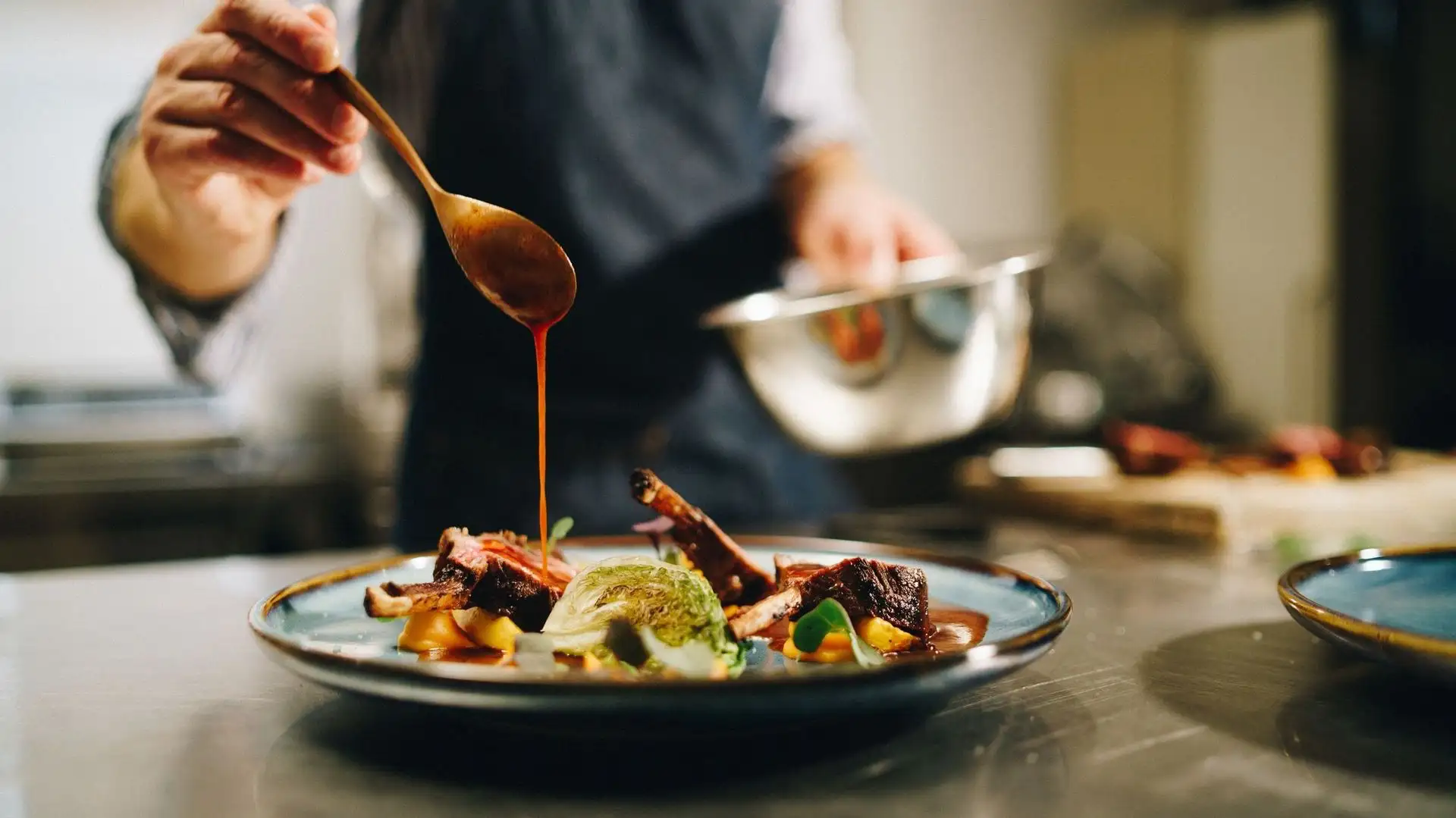
The five mother sauces are the backbone of French cooking and the starting point for hundreds of derivative sauces used across modern menus.
Béchamel
A white sauce made from milk thickened with a roux of butter and flour. It forms the base for cheese sauces, lasagne and gratins.
Velouté
A light stock-based sauce thickened with roux. Depending on the stock used, it becomes the foundation for fish, chicken or veal sauces.
Espagnole
A rich brown sauce made from brown stock and tomato purée, traditionally used as the base for demi-glace and other robust sauces.
Hollandaise
An emulsion of egg yolk, butter and lemon juice, typically served with eggs Benedict or asparagus. It requires precise temperature control to avoid splitting.
Tomato Sauce
A simple sauce made from tomatoes, aromatics and stock, used as the base for marinara, Creole and other tomato-based preparations.
Mastering these five sauces teaches you emulsification, roux technique, stock reduction and flavour balancing, all transferable skills that apply far beyond French cuisine and complement the techniques taught in french pastry courses.
Knife Skills That Separate Professionals from Amateurs
Speed and consistency in the kitchen, whether in savoury cooking or patisserie techniques students are expected to master, start with strong knife skills.
French culinary training emphasises precise, uniform cuts that ensure even cooking and professional presentation. These are not decorative skills. They are functional techniques that affect texture, cooking time and plating.
Julienne
Thin matchstick cuts, typically 3mm by 3mm by 5cm, used for vegetables in stir-fries, salads and garnishes.
Brunoise
Fine dice, usually 3mm cubes, often used for mirepoix or delicate garnishes where uniformity matters.
Chiffonade
Thin ribbons of leafy herbs or vegetables, achieved by stacking, rolling and slicing. Commonly used for basil, spinach or lettuce.
Mirepoix
A rough dice of onion, carrot and celery used as the aromatic base for stocks, sauces and braises. Ratios and size vary depending on application.
Practicing these cuts builds muscle memory, improves your speed and trains your eye for consistency, all of which translate into faster prep and better-looking plates.
Stock and Sauce Foundations You Will Use Every Shift
Stocks are the building blocks of French cooking, and understanding how to make them properly is non-negotiable for serious chefs.
A well-made stock extracts maximum flavour and gelatin from bones, vegetables and aromatics through controlled simmering. It becomes the base for soups, sauces, braises and risottos.
Stock Type | Primary Ingredients | Typical Cooking Time | Common Uses |
|---|---|---|---|
White Chicken Stock | Chicken bones, mirepoix, bouquet garni | 3 to 4 hours | Velouté, soups, light sauces |
Brown Veal Stock | Roasted veal bones, tomato paste, mirepoix | 8 to 12 hours | Espagnole, demi-glace, braises |
Fish Stock | Fish bones, white wine, aromatics | 30 to 45 minutes | Seafood sauces, bisques, poaching liquids |
Vegetable Stock | Mirepoix, mushrooms, herbs | 1 to 2 hours | Vegetarian dishes, light soups, risottos |
Learning to make stocks from scratch teaches you patience, timing and the importance of quality ingredients, all essential mindsets for professional cooking.
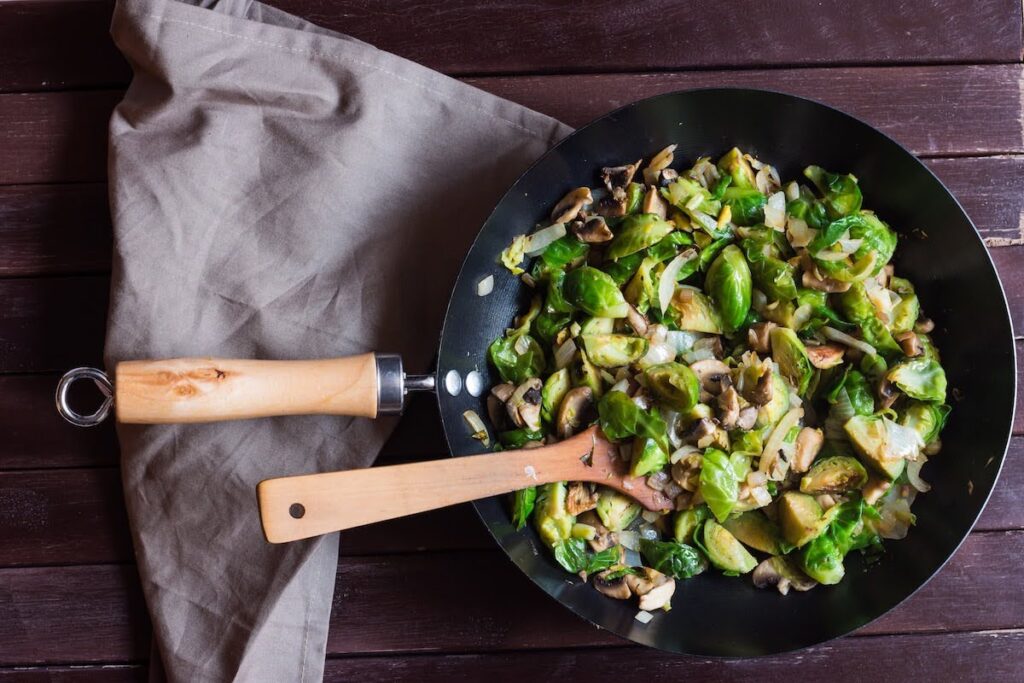
Cooking Techniques Malaysia Chefs Apply Across Cuisines
French cooking methods are not confined to French menus. They are fundamental techniques that apply to nearly every cuisine you will encounter in a Malaysian kitchen.
Sautéing
Cooking food quickly in a small amount of fat over high heat. It requires constant movement and precise timing to avoid overcooking.
Braising
A combination cooking method that starts with searing meat or vegetables, then slow-cooking them in liquid until tender. Ideal for tougher cuts and building deep flavour.
Poaching
Gently cooking food in liquid held just below boiling point. Used for delicate proteins such as fish, eggs and chicken breast.
Roasting
Dry-heat cooking in an oven, typically used for larger cuts of meat or whole vegetables. It develops caramelisation and concentrated flavour.
Blanching
Briefly boiling vegetables or proteins, then plunging them into ice water to stop the cooking process. It preserves colour, texture and nutrients.
These techniques are taught in every serious culinary programme because they form the toolkit you will use regardless of the menu you are executing.
Where to Learn French Cooking Techniques in Malaysia
Structured training in a professional kitchen environment is the most reliable way to build competence in classical French technique.
Le Cordon Bleu Sunway offers the Diplôme de Cuisine, a comprehensive programme that covers French culinary foundations including knife skills, mother sauces, stocks and classical cooking methods, while complementing the institution’s broader range of Pastry and Baking Courses.
Other culinary schools in Malaysia may offer modules or short courses in French technique, but the depth and consistency of instruction vary. When evaluating programmes, look for accreditation, chef instructor credentials, kitchen facilities and whether the curriculum includes both demonstration and hands-on practice.
If you are serious about building a career as a chef in Malaysia, investing in formal training that covers these foundational techniques will give you a measurable advantage in employability, kitchen confidence and long-term career progression.
Explore the Le Cordon Bleu Sunway Diplôme de Cuisine to see how classical French training can fit into your culinary career path in Malaysia.
Frequently Asked Questions
Why are cooking techniques Malaysia chefs learn rooted in French cuisine?
French culinary methods form the foundation of many professional kitchens, providing chefs with a shared vocabulary and a versatile set of skills that apply across cuisines.
Which French sauces should every chef master?
The five mother sauces are Béchamel, Velouté, Espagnole, Hollandaise and Tomato Sauce. Together, they form the basis of countless classic and contemporary preparations.
How do knife skills improve professional performance?
Precise knife work ensures even cooking, speeds up preparation and enhances presentation, making it an essential component of professional cookery.
Why is stock preparation so important?
Well-made stocks provide depth of flavour and serve as the foundation for soups, sauces, braises and many other dishes used in daily kitchen operations.
Are French cooking methods relevant in Malaysian kitchens?
Absolutely. The cooking techniques Malaysia chefs use every day often draw directly from French culinary principles, whether in hotels, restaurants or modern fusion concepts.
Can these techniques be applied beyond French cuisine?
Yes. Methods such as sautéing, braising, poaching, roasting and blanching are universal skills that translate across a wide range of culinary traditions.
Do pastry chefs benefit from learning classical French techniques?
Certainly. Skills such as sauce making, precision knife work and an understanding of flavour balance complement pastry training and support well-rounded culinary development.
What should students look for in a French culinary programme?
Seek programmes that offer hands-on training, experienced chef instructors, well-equipped kitchens and a curriculum that combines theory with extensive practical application.
Is formal training necessary to master cooking techniques Malaysia professionals rely on?
While experience is invaluable, structured training provides a systematic approach to learning foundational techniques and accelerates professional growth.
How can mastering French techniques support a long-term culinary career?
These foundations improve adaptability, confidence and leadership potential, preparing chefs to excel in diverse kitchen environments both in Malaysia and internationally.