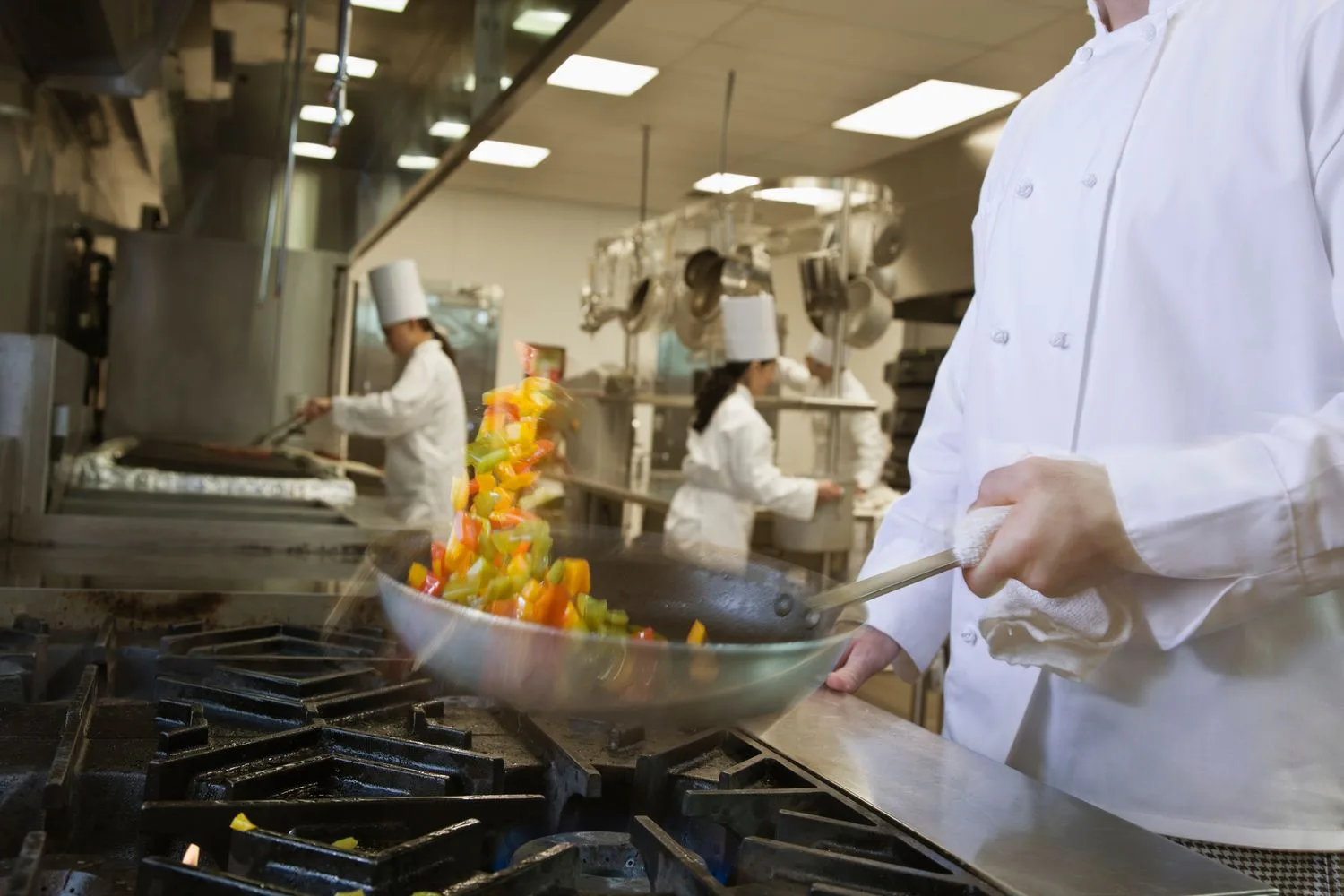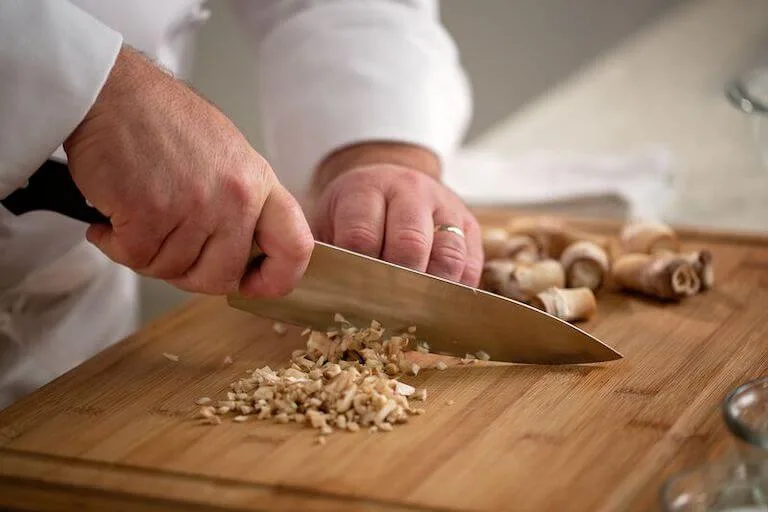
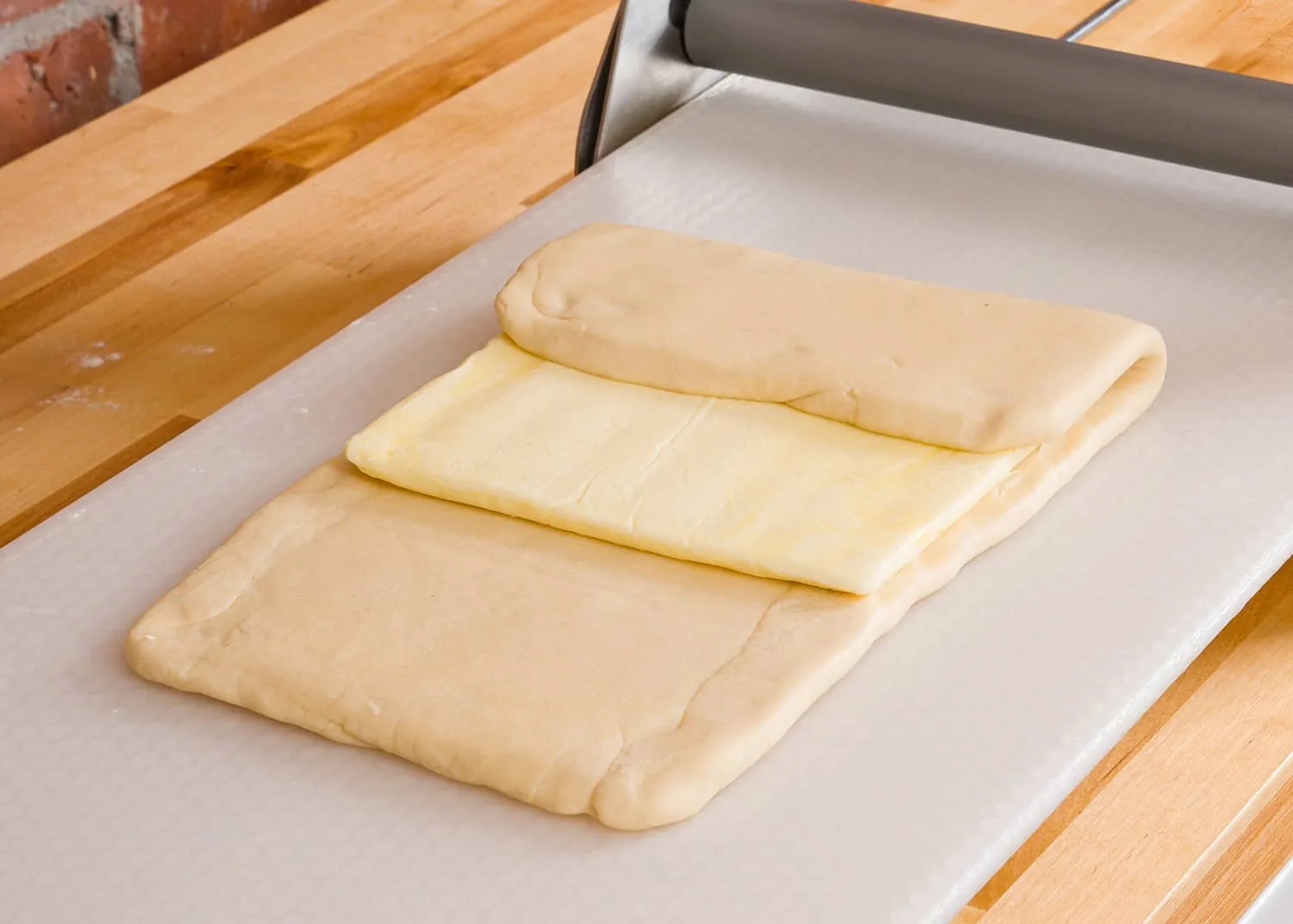
French pastry lamination at Le Cordon Bleu Malaysia is taught through chef-led demonstrations followed by hands-on practice, as part of the Diplôme de Pâtisserie, where puff pastry is listed among the foundational doughs.
It is one of several classic French pastry techniques that students develop as the programme progresses, and it is a good test of precision, because small mistakes at the start are repeated with every fold.
Lamination looks simple on paper, yet it rewards patience, cold hands and repetition.
Key Takeaways
- The Diplôme de Pâtisserie at Le Cordon Bleu Malaysia progresses through Basic, Intermediate and Superior certificates, with puff pastry among the basic doughs.
- Learning combines chef-instructor demonstration with hands-on practice, with the methodology described as approximately 80% practical.
- Lamination depends on temperature, even thickness, clean turns and resting time, not simply adding butter.
- Prior culinary experience is not required, though you should confirm fees and entry requirements with admissions.
Lamination Is Not Just Adding Butter
Many beginners assume lamination means folding butter into dough. In reality, it is about keeping butter and dough at a similar, workable consistency so they stretch together instead of fighting each other.
If the butter is too cold, it cracks. If it is too warm, it melts into the dough and the layers disappear.
That balance is why this skill is taught in person, where an instructor can show you what the right texture feels like.
From Demonstration to Your Own Bench
The Diplôme de Pâtisserie is delivered through demonstration and practical training. Le Cordon Bleu Malaysia describes sessions as three hours of chef-instructor demonstration followed by three hours of hands-on work.
You watch the technique performed first, then repeat it yourself with guidance.
The programme runs across Basic, Intermediate and Superior Pâtisserie certificates. Puff pastry sits among the basic pastry doughs, so lamination begins early and can be revisited as your skills develop.
The Steps Behind Every Layer
Whatever the final product, professional lamination follows a recognisable sequence. Understanding the reason behind each step makes it far easier to troubleshoot when something goes wrong.
1. Prepare the détrempe
This is the base dough. It is mixed just enough to form, then rested so it relaxes and rolls out easily.
Overworking it develops too much gluten, which makes the dough elastic and harder to roll, so a light touch at this stage pays off later.
The aim is a smooth, supple dough with a firmness similar to the butter it will soon enclose.
2. Enclose the butter
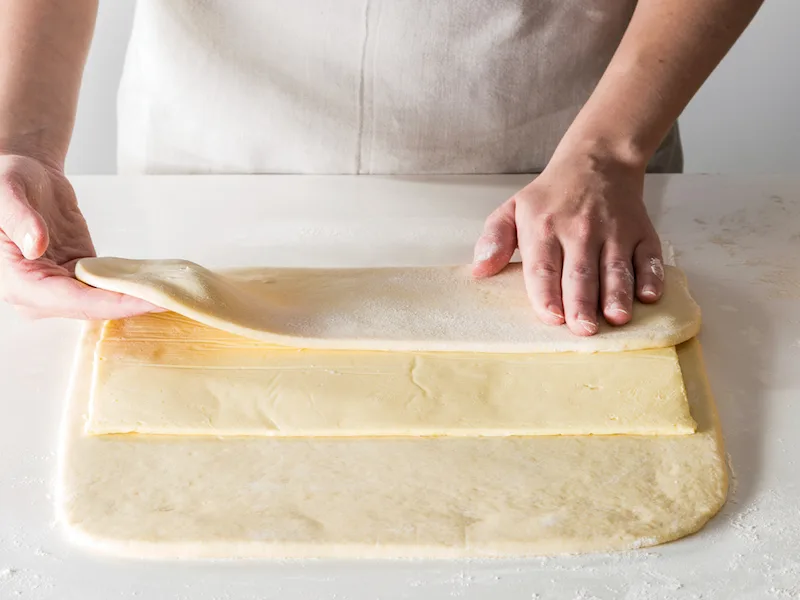
The butter block is shaped to a workable, pliable state and sealed inside the dough, so no edges are left open to leak.
A neat, even rectangle of butter helps it spread consistently through the dough, while firmly pinched seams stop it escaping once rolling begins.
3. Roll and fold
Each turn multiplies the layers. Even thickness and square corners matter, because small errors repeat with every fold.
Rolling with steady, even pressure and brushing off excess flour before each fold keeps the layers clean and stops the dough from toughening.
4. Rest under refrigeration
Chilling lets the gluten relax and the butter firm up again before the next turn. Rushing or skipping this step is one of the most common reasons dough fights back, shrinks or tears.
5. Shape and finish
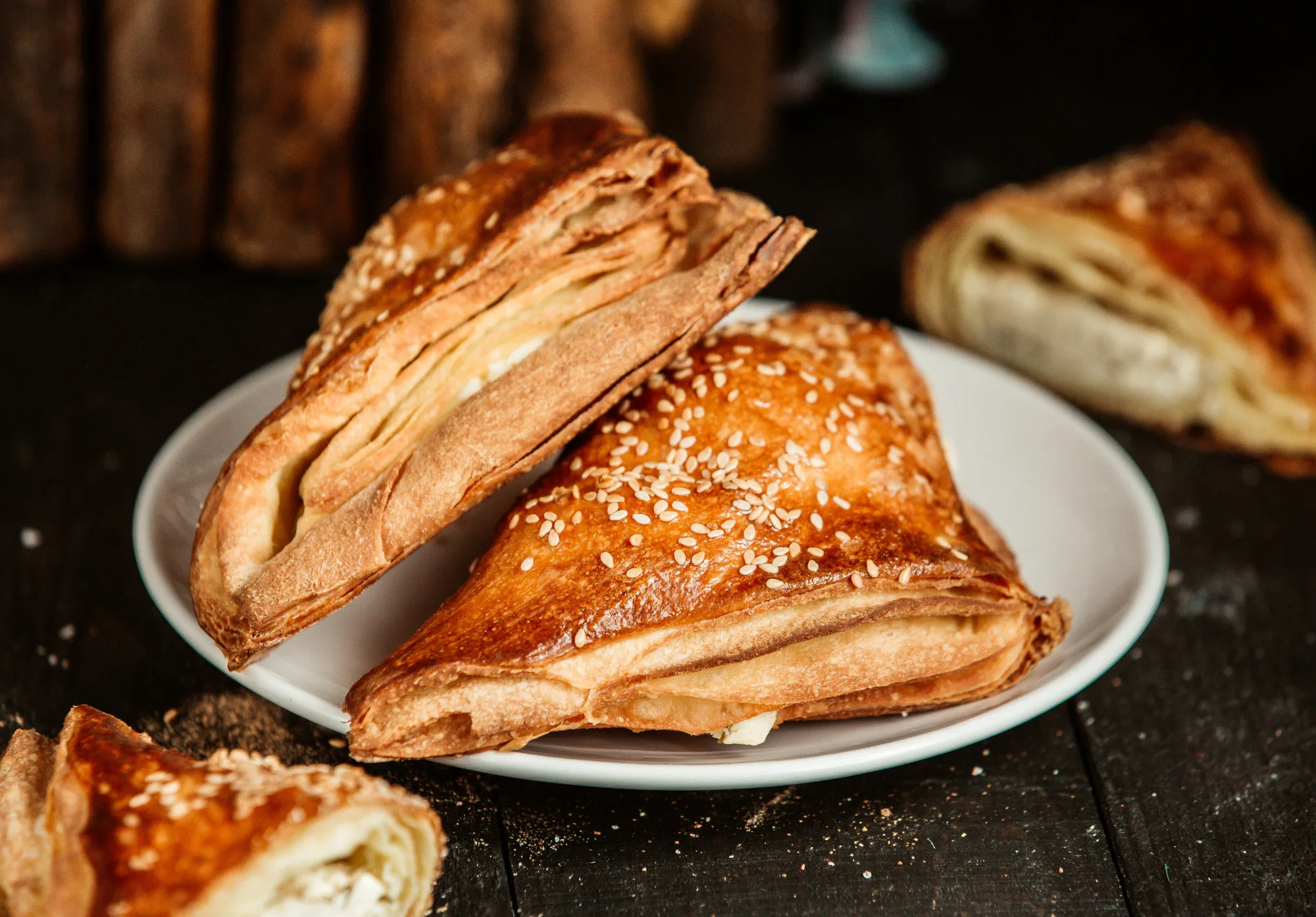
Laminated dough is cut and shaped for its final purpose, then baked so the trapped butter creates steam and lift. Sharp cutting tools help here, since pressing down on the edges can seal the layers together and limit how far they rise.
Puff Pastry, Croissant, Danish: Know the Difference
These doughs are related but not identical. All three rely on alternating layers of butter and dough, but they differ in whether yeast is used, how much enrichment is added and how the layers are meant to behave once baked.
The comparison below reflects general pastry principles rather than a confirmed lesson schedule.
| Dough | Yeast | Typical character |
|---|---|---|
| Puff pastry | No | Crisp, flaky, lift from steam |
| Croissant | Yes | Lightly enriched, airy honeycomb crumb |
| Danish | Yes | Richer and sweeter, often filled |
In short, puff pastry gets its rise purely from steam, while croissant and Danish dough add yeast, so they also need proofing time before baking. Danish is generally richer and sweeter than croissant dough, which is why it suits fillings so well.
For a closer look at how these skills fit together, this guide to croissants, Danishes and laminated dough is a useful next read.
When Your Butter Breaks
Every student meets problems, and learning to read them is part of the training.
- Butter breaking into shards: it was likely too cold or the dough too firm.
- Butter leaking: the seal was weak or the dough warmed too much.
- Dough shrinking back: it needs longer to rest.
- Uneven layers: rolling pressure or thickness was inconsistent.
Instructors can spot these issues at your bench and help you correct them in the moment.
Ready to Learn Lamination Properly?
The Diplôme de Pâtisserie is normally completed in nine months by local students or 12 months by international students. Local intakes run in January, April, July and October, while international intakes are listed for April and October.
Prior culinary experience is not required. Fees, language requirements and what is included can change, so confirm current details with admissions before applying.
Frequently Asked Questions
What is lamination in French pastry?
Lamination is the technique of folding butter and dough together repeatedly to create many thin alternating layers.
During baking, the butter releases steam and the layers separate, giving puff pastry, croissants and Danish their flaky texture. It relies on careful temperature control, even rolling and adequate resting time between folds.
Because each fold multiplies the layers, even small inconsistencies can show clearly in the finished pastry.
What does the Diplôme de Pâtisserie include?
The diploma consists of Basic, Intermediate and Superior Pâtisserie certificates, taught through demonstrations and practical sessions.
Basic pastry doughs, including puff pastry, are among the foundational techniques, which means students meet lamination early and can build on it as the programme progresses.
Exact lesson content may vary, so check with the school for the current syllabus.
Who is the diploma suitable for?
It suits aspiring pastry professionals, career changers and passionate bakers who want structured French training. Prior culinary experience is not required, though applicants generally need secondary education or an equivalent qualification and sufficient English proficiency.
Admissions can confirm the exact entry requirements for your situation.
When should I start planning my application?
Start several months before your preferred intake. Local intakes are listed for January, April, July and October, with international intakes in April and October. Allow time for documents, English requirements and visa arrangements if relevant, as timelines vary by individual circumstances.
Starting early also gives you room to compare options and speak to the admissions team without feeling rushed.
How long does the programme take and what does it cost?
It is normally completed in nine months for local students or 12 months for international students. Tuition differs by intake and student status, and extras such as uniforms, tools and living costs may apply.
Ask admissions for a current, itemised fee breakdown, including what is and is not covered, so there are no surprises later.
Is lamination too hard for beginners?
It is demanding, but it can be learned. Most difficulties come from temperature and handling rather than talent. The technique can feel awkward at first, which is perfectly normal, and it becomes more intuitive with repetition.
With demonstrations, repetition and instructor feedback, beginners can build the feel for it over time, though individual progress will differ.
How do I choose the right pastry school?
Consider the teaching method, the balance of practical training, instructor experience, facilities, accreditation, intake dates and total costs. A broader look at pastry and baking courses in Malaysia can also help you compare your options side by side.
Visit if possible, ask about class sizes and request a clear curriculum outline so you know what to expect.
Does French pastry lamination at Le Cordon Bleu cover croissants?
Puff pastry is confirmed among the basic doughs in the Diplôme de Pâtisserie.
A detailed croissant or Danish lesson plan is not published, so contact the school to ask which laminated products are covered in your chosen intake. It is also worth asking whether these are taught at the basic stage or later in the programme.