Walk into any upscale patisserie in Kuala Lumpur, Penang or Johor Bahru and you will notice something immediately: the precision, the finish, the way each tart sits perfectly aligned on the shelf.
That level of execution does not come from recipes alone. It comes from technique, and more specifically, from the classical French pastry methods that have shaped professional baking worldwide for more than a century.
Malaysian bakers who train in these techniques gain a genuine competitive advantage in a market that increasingly values quality, consistency and presentation alongside flavour.
Key Takeaways
- French pastry techniques emphasise precision, consistency and classical methods that elevate both appearance and flavour in professional baking.
- Mastering lamination, tempering, custard work and plating techniques distinguishes formally trained bakers from self-taught practitioners in Malaysia’s competitive market.
- Employers across hotels, patisseries and cafés actively seek bakers with structured training in French methods due to the reliability and quality these skills deliver.
- French pastry courses in Malaysia teach not only the techniques themselves but also the professional discipline and kitchen standards expected in high-end food service environments.
Why French Techniques Still Define Professional Pastry
French pastry is not simply a cuisine. It is a codified system of techniques, standards and expectations that has become the global benchmark for professional baking.
The methods developed in French kitchens over centuries, lamination, custard preparation, sugar work, chocolate tempering, are now taught in culinary and pastry schools worldwide because they work. They produce consistent results, they scale effectively, and they form the foundation upon which innovation can be built.
For Malaysian bakers entering a competitive hospitality market, this foundation matters. Hotels, fine dining restaurants and boutique patisseries expect their pastry teams to execute classical techniques reliably under pressure, and that expectation is not negotiable.

Lamination: The Technique That Separates Hobbyists from Professionals
Lamination is the process of folding butter into dough repeatedly to create hundreds of distinct, paper-thin layers. When baked, those layers puff and separate, producing the flaky, airy structure that defines croissants, danishes and puff pastry.
It is also one of the most unforgiving techniques in pastry. Temperature control, dough consistency, folding precision and resting times must all be managed correctly or the result collapses into a dense, greasy failure.
Most home bakers cannot execute lamination consistently because they have never been taught the mechanics properly. Professionally trained bakers can, and that difference is visible the moment a croissant is broken open.
What French Pastry Courses in Malaysia Teach About Lamination
Structured programmes break lamination into stages: preparing détrempe (the base dough), incorporating the butter block, executing folds with precision, controlling fermentation and proofing schedules, and recognising when dough temperature has shifted out of tolerance.
Students learn to troubleshoot in real time, adjusting technique based on ambient temperature, humidity and dough behaviour. That adaptability is what makes the technique reliable in a professional kitchen.
Custards, Creams and the Science of Emulsification
French pastry relies heavily on custard-based preparations: crème pâtissière, crème anglaise, crème diplomat, crème mousseline. Each has a specific application, texture and flavour profile, and each requires precise heat control and technique.
Custards are emulsions, and emulsions are fragile. Too much heat and the eggs scramble. Too little and the mixture never thickens. The margin for error is narrow, and the only way to develop the judgment needed to work within it is through repetition under supervision.
Malaysian bakers trained in French methods understand not just how to make a custard, but why it behaves the way it does. That understanding allows them to adjust recipes, scale production and recover from errors without discarding entire batches.
Chocolate Tempering and the Pursuit of Gloss
Getting chocolate to set with a glossy finish and a clean snap comes down to one precise technical skill.
- Tempering chocolate is the process of heating, cooling and reheating chocolate to specific temperatures to stabilise the cocoa butter crystal structure
- When done correctly, the chocolate sets with a smooth, glossy finish and a clean snap
- When done incorrectly, it blooms, streaks or refuses to set properly, with no shortcut or approximation that works reliably
- French pastry courses in Malaysia teach tempering as a fundamental skill, not an optional extra
- Students learn to work with dark, milk and white chocolate, to recognise the visual and tactile cues that indicate proper temper, and to maintain temperature stability during moulding, dipping and enrobing
- This skill alone opens career pathways into chocolate production, confectionery and high-end dessert service that remain closed to bakers without formal training

Plating, Presentation and the Standards That Employers Expect
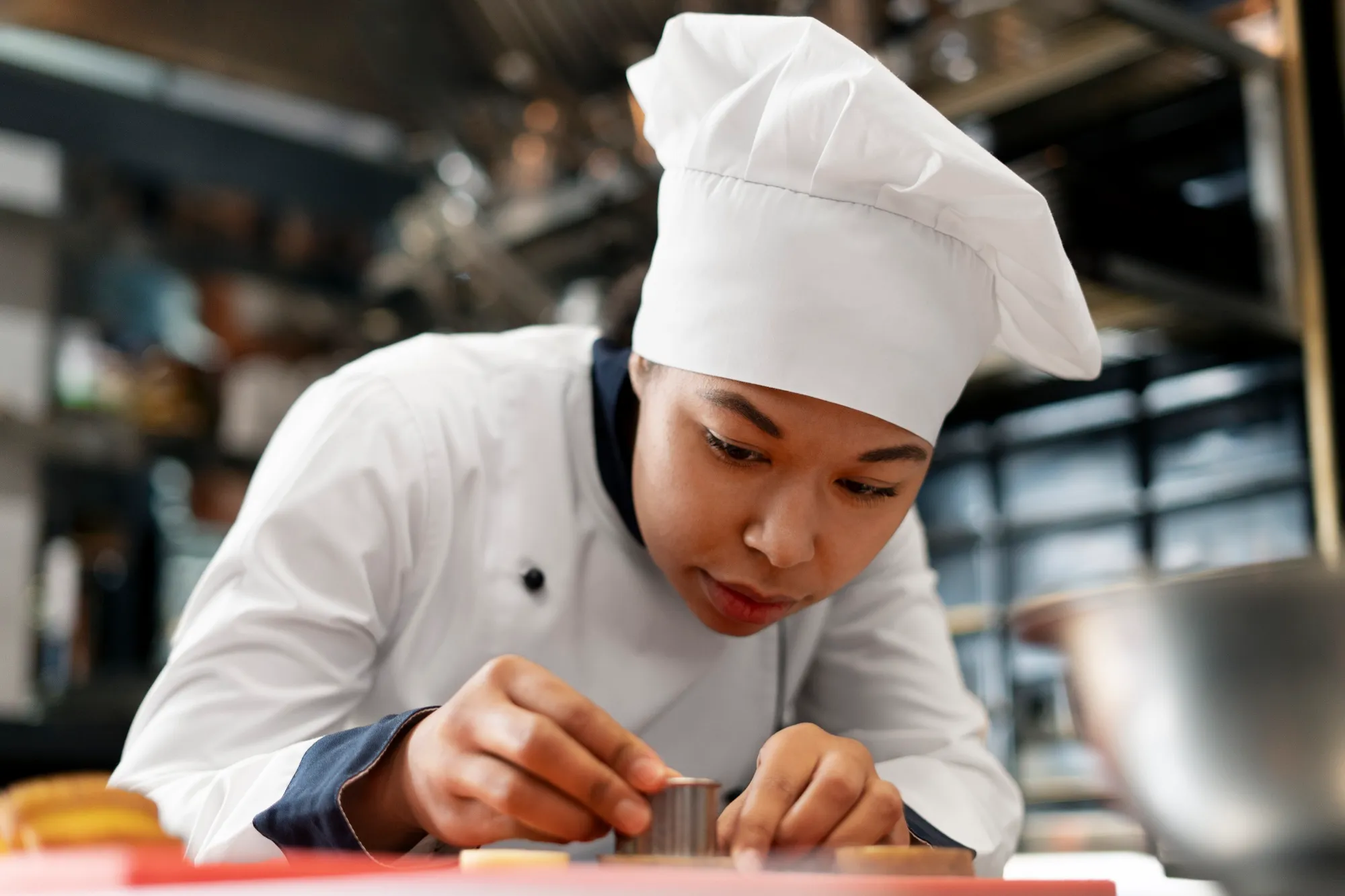
French pastry is as much about appearance as it is about flavour. The expectation in fine dining and upscale patisseries is that every plate, every tart, every petit four looks precise, clean and intentional.
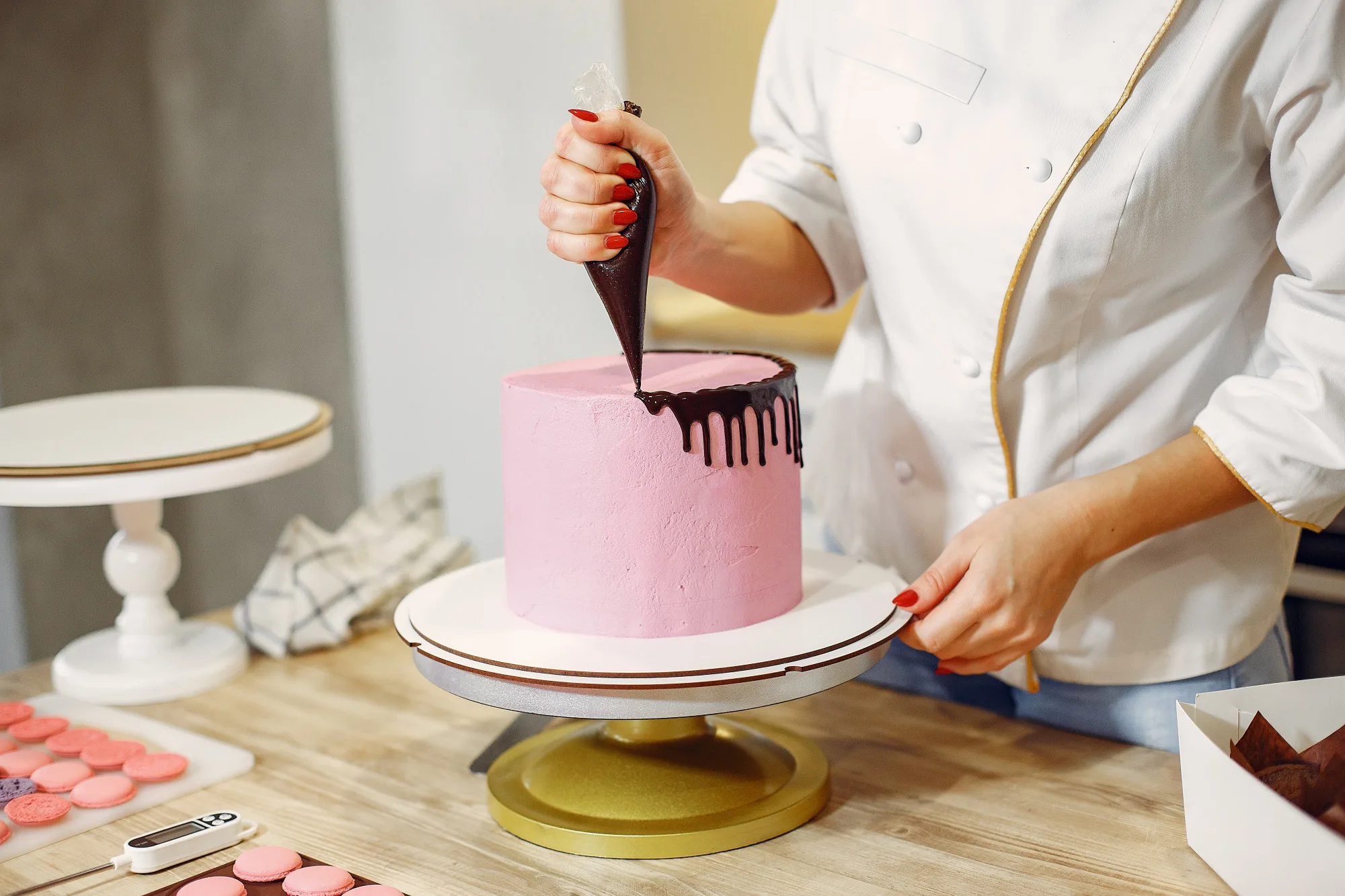
That standard is taught through repetition. Students learn to pipe consistently, to glaze evenly, to place garnishes with purpose, and to recognise when a plate does not meet the standard and needs to be redone.
This discipline is what separates professionally trained bakers from talented home cooks. Talent produces great results occasionally. Training produces them reliably, shift after shift.
What Gets Assessed in a Professional Pastry Kitchen
Consistency across multiple servings, speed without sacrificing quality, cleanliness and organisation throughout service, and the ability to follow specifications exactly as written.
These are the behaviours that French pastry training instils, and they are the behaviours that Malaysian employers actively seek when hiring.
How French Pastry Courses in Malaysia Prepare Bakers for Real Kitchens
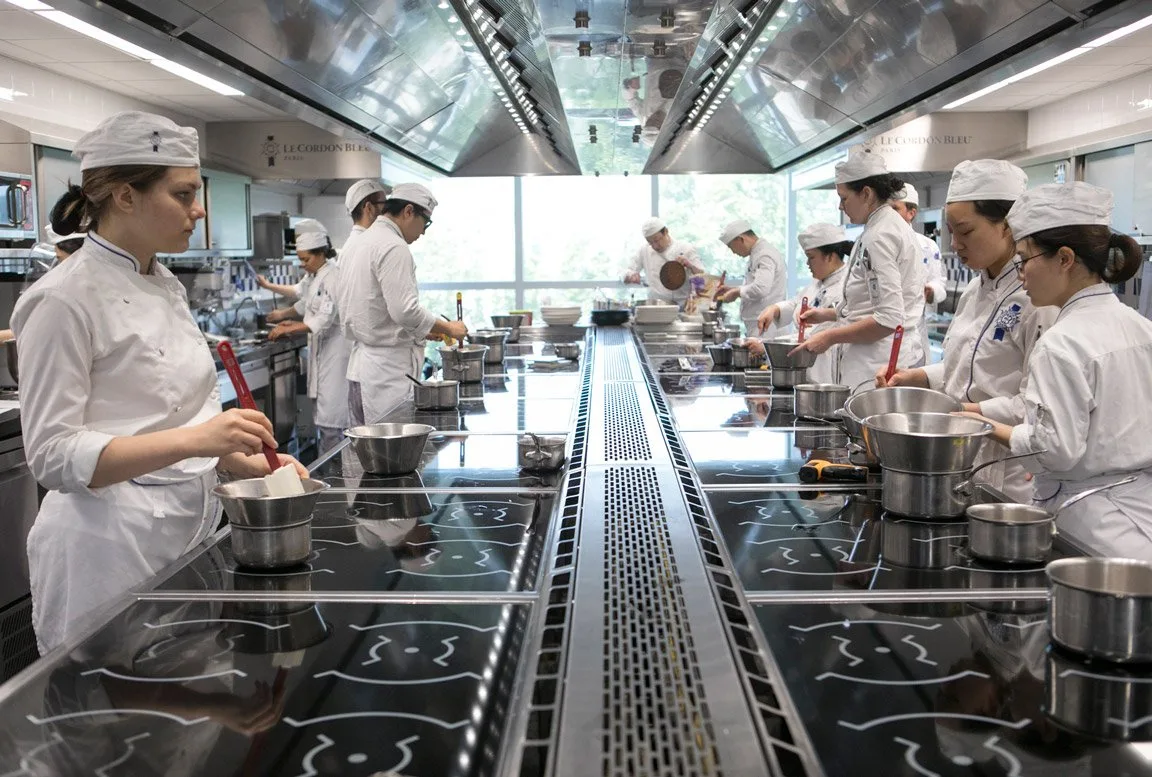
The best pastry programmes do not simply teach recipes. They teach the professional habits, standards and mindset that allow graduates to function effectively in high-pressure kitchen environments from day one, inside real professional kitchen conditions.
Working Cleanly
Maintaining organisation and hygiene standards throughout service, not just at the start.
Managing Mise en Place
Preparing and arranging ingredients and tools ahead of time so production runs without interruption.
Following Production Schedules
Working to set timings and sequences rather than an individual pace.
Communicating with the Team
Passing information clearly to other members of the kitchen under pressure.
Accepting Critique as Feedback
Treating correction from chef-instructors as professional input rather than personal judgment.
These soft skills are as important as the technical ones, and they are rarely developed outside of a structured training environment.
Why Employers Value French-Trained Pastry Bakers
Hotels, patisseries and fine dining restaurants in Malaysia operate on tight margins and high customer expectations. They cannot afford to hire bakers who need months of remedial training before they can contribute to production.
Bakers who graduate from recognised French pastry courses arrive with a known skill set. Employers understand what those graduates can do, what standards they have been trained to, and how quickly they can integrate into an existing kitchen team.
That predictability has value, and it translates directly into employment opportunities and starting salaries that self-taught bakers rarely access.
What Separates a Strong French Pastry Programme from a Weak One
Not all pastry courses are equal, even when they claim to teach French techniques. It helps to understand what a culinary diploma covers before comparing programmes, since the difference comes down to instructor credentials, hands-on practice hours, class size and whether the programme is connected to a recognised international standard.
Factor | Strong Programme | Weak Programme |
Instructors | Chef-instructors with professional kitchen experience | Instructors without professional pastry backgrounds |
Class size | Limited to ensure individual attention | Often oversized with minimal individual guidance |
Teaching style | Significant time on practical work | Demonstration-heavy with minimal hands-on practice |
Curriculum | Aligned with internationally recognised qualifications | Certificates that carry little weight with employers |
The difference is not subtle, and it shows up immediately when graduates enter the job market.
Making the Investment Count
French pastry training is not a casual commitment. It requires time, focus and financial investment. For Malaysian bakers serious about a professional career, that investment pays back through access to better roles, higher starting salaries and career paths beyond pastry that extend beyond Malaysia’s borders.
The techniques learned in a rigorous French pastry programme are recognised globally. A baker trained to Le Cordon Bleu standards in Malaysia can work in Singapore, Dubai, London or Sydney, because the skills are portable and the qualification is understood.
That kind of career flexibility is rare in most industries, and it is one of the genuine advantages of choosing formal pastry education over self-directed learning.
If you are ready to build a pastry career on a foundation that employers respect and that opens doors internationally, explore the French pastry courses in Malaysia offered at Le Cordon Bleu Sunway. The techniques you learn will set you apart from the first day you step into a professional kitchen.
Frequently Asked Questions
What are French pastry techniques and why are they important for Malaysian bakers?
French pastry techniques are classical methods developed over centuries that form the global standard for professional baking. They include lamination, custard preparation, chocolate tempering, sugar work and precision plating. These techniques are important for Malaysian bakers because they provide a structured foundation that employers across hotels, patisseries and fine dining restaurants actively seek. Mastering these methods demonstrates consistency, discipline and the ability to meet professional kitchen standards reliably.
What skills are typically covered in French pastry courses in Malaysia?
French pastry courses in Malaysia typically cover lamination for croissants and puff pastry, custard and cream preparations including crème pâtissière and crème anglaise, chocolate tempering and confectionery work, tart assembly and finishing, plated dessert techniques, and bread and viennoiserie production. Programmes also teach professional kitchen organisation, hygiene standards and production scheduling. The depth and breadth of coverage depend on the programme structure, duration and whether it aligns with internationally recognised qualifications.
Who should consider enrolling in a French pastry course?
French pastry courses suit aspiring pastry chefs who want structured, professional training, home bakers looking to transition into commercial baking, culinary school graduates seeking specialisation in pastry, and career changers interested in entering Malaysia’s hospitality and food service industry. These programmes are also appropriate for individuals planning to work internationally, as French pastry techniques are recognised and valued worldwide. No prior baking experience is typically required for foundational diploma programmes.
How long does it take to complete a French pastry course in Malaysia?
The duration of French pastry courses in Malaysia varies depending on the programme type. Short courses and workshops may run from a few days to several weeks, focusing on specific techniques. Certificate programmes typically last three to six months. Full diploma programmes generally require nine months to two years of full-time study, including practical kitchen hours and industry internship placements. The timeline depends on the institution, the depth of the curriculum and whether the programme is offered full-time or part-time.
What can graduates expect after completing a French pastry course?
Graduates of French pastry courses in Malaysia typically start in entry-level roles such as commis pastry chef or bakery assistant in hotels, patisseries, cafés or catering companies. With experience, they can progress to demi chef, chef de partie or head pastry chef positions. Some graduates pursue specialisation in chocolate work, sugar artistry or wedding cakes, while others open their own bakery or catering businesses. Career outcomes depend on the quality of training, the reputation of the institution and the graduate’s professional commitment.
Are French pastry techniques difficult to learn for beginners?
French pastry techniques are precise and require attention to detail, but they are not inherently difficult when taught properly in a structured environment. Beginners often find techniques such as lamination and tempering challenging at first because they require temperature control, timing and repetition to develop muscle memory. However, reputable programmes break these techniques into manageable stages and provide hands-on practice under supervision, allowing students to build confidence progressively. The key is consistent practice and constructive feedback from experienced instructors.
How do I choose the right French pastry course in Malaysia?
When choosing a French pastry course in Malaysia, consider whether the programme is accredited and recognised by industry bodies, the qualifications and professional experience of the chef-instructors, the ratio of hands-on practice to theory, class sizes and access to individual mentoring, the quality and modernity of kitchen facilities and equipment, whether the programme includes internship placements with reputable employers, and the employment outcomes and career progression of recent graduates. Visiting the campus, speaking with current students and reviewing the curriculum in detail are all recommended before enrolling.
What makes French pastry courses in Malaysia valuable for career development?
French pastry courses in Malaysia provide valuable career development because they teach globally recognised techniques that employers across the hospitality industry actively seek. Graduates gain not only technical skills such as lamination, tempering and plating, but also professional kitchen discipline, production scheduling and quality standards. Programmes affiliated with international institutions offer qualifications that are understood and respected beyond Malaysia, supporting career mobility across Asia, the Middle East and beyond. This combination of technical skill and professional credibility gives graduates a genuine competitive advantage in the job market.