No, you do not need prior cooking experience to apply for the cuisine diploma at Le Cordon Bleu Malaysia, because the programme starts with culinary fundamentals for beginners and builds from there.
Each stage adds to the last, so you move steadily from your first knife cut towards the classic French cooking techniques that professional kitchens rely on, without being expected to arrive with a kitchen background.
Key Takeaways
- Le Cordon Bleu Malaysia states that applicants do not need prior culinary experience for its cuisine diploma.
- Training begins with culinary fundamentals such as knife skills, hygiene, mise en place and basic cooking methods.
- Entry requirements are separate from cooking ability and include age, prior education and English proficiency.
- No experience required does not mean no effort. Expect discipline, pace and physical stamina.
Can You Really Start From Zero?
Yes. The programme is designed for students with a passion for culinary arts, not for people who already cook professionally.
Many culinary schools take the same approach, because a curriculum that begins with fundamentals does not assume you have a kitchen background.
Home cooking confidence can help you settle in faster. It is not a prerequisite, and every student starts with the same basics.
Your First Weeks: Culinary Fundamentals for Beginners
Before any advanced dish, you build the habits every professional kitchen relies on. These are the foundations beginners typically learn first.
Think of these early weeks as learning the language of the kitchen: once the basics feel natural, everything that follows becomes easier to understand and to practise.
Knife Skills
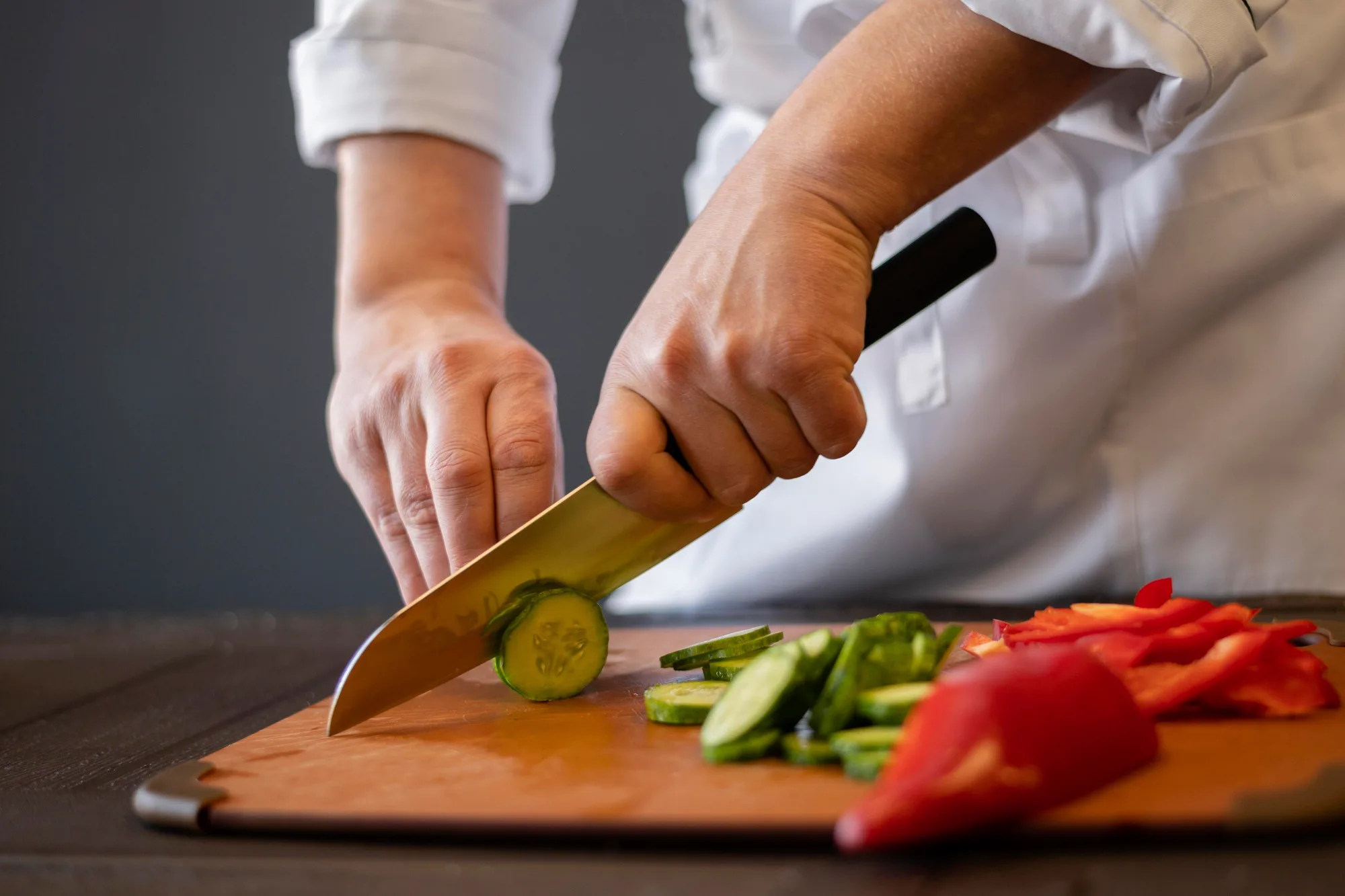
You learn how to hold, handle and care for a knife, then practise cuts until they become consistent. Uniform cuts help food cook evenly and look professional.
A confident, safe grip also makes you faster and more accurate over time, which matters once you are preparing ingredients for full dishes.
Hygiene and Kitchen Safety
Sanitation, safe handling of ingredients and safe use of equipment come early. These are non-negotiable in any professional kitchen.
Habits such as washing hands regularly, keeping surfaces clean and storing ingredients correctly protect both the people you cook for and the people you work beside.
Mise en Place
This means preparing and organising everything before you cook. It teaches you to plan, work cleanly and keep your station under control.
Having ingredients measured, cut and within reach lets you focus on the cooking itself instead of searching for the next item halfway through a dish.
Basic Cooking Methods
You learn core techniques and the reasons behind them, so you can understand what is happening in the pan rather than just follow steps.
Knowing why heat, timing and seasoning affect a dish gives you the confidence to adjust when things do not go exactly to plan.
From Basics to Real Service
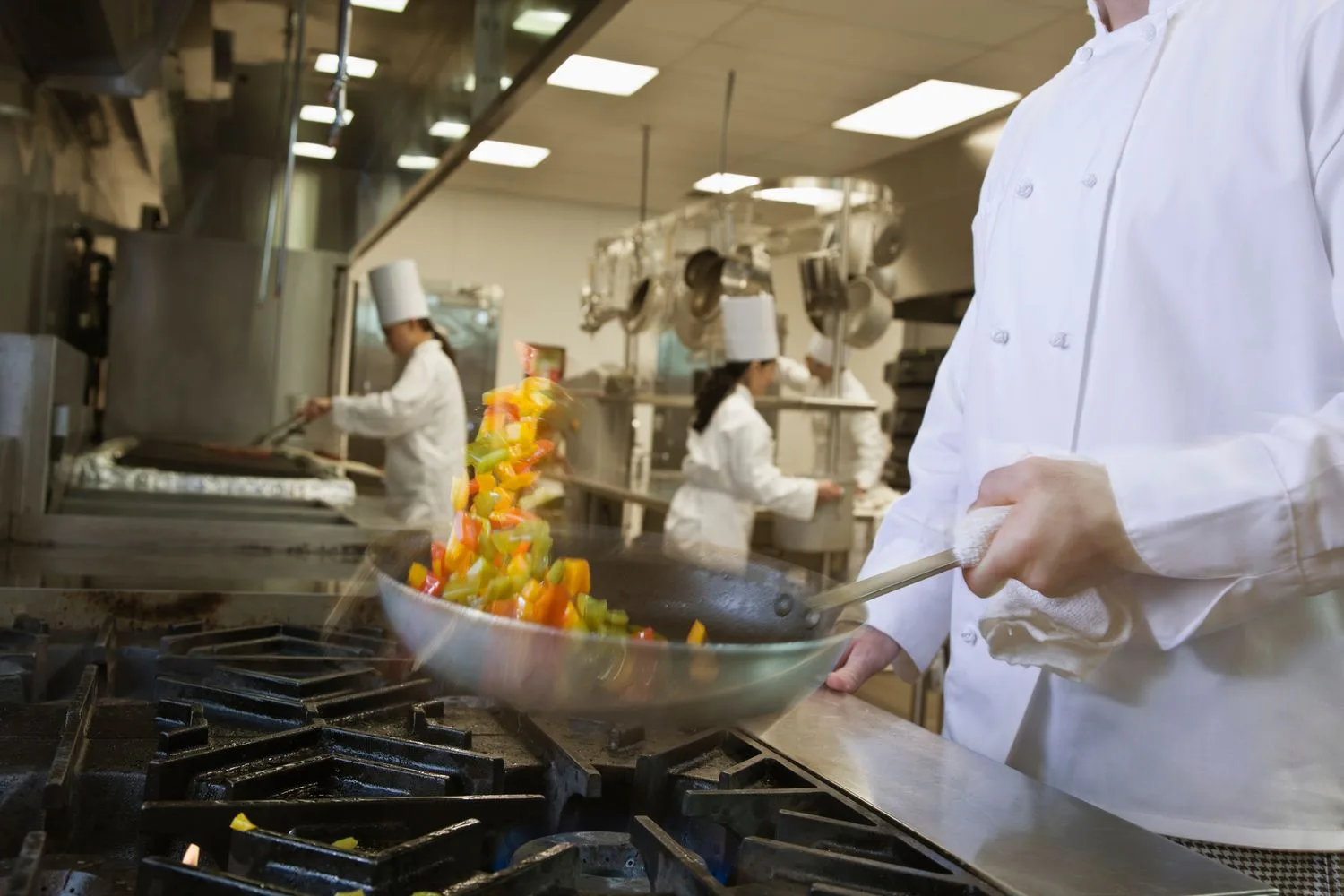
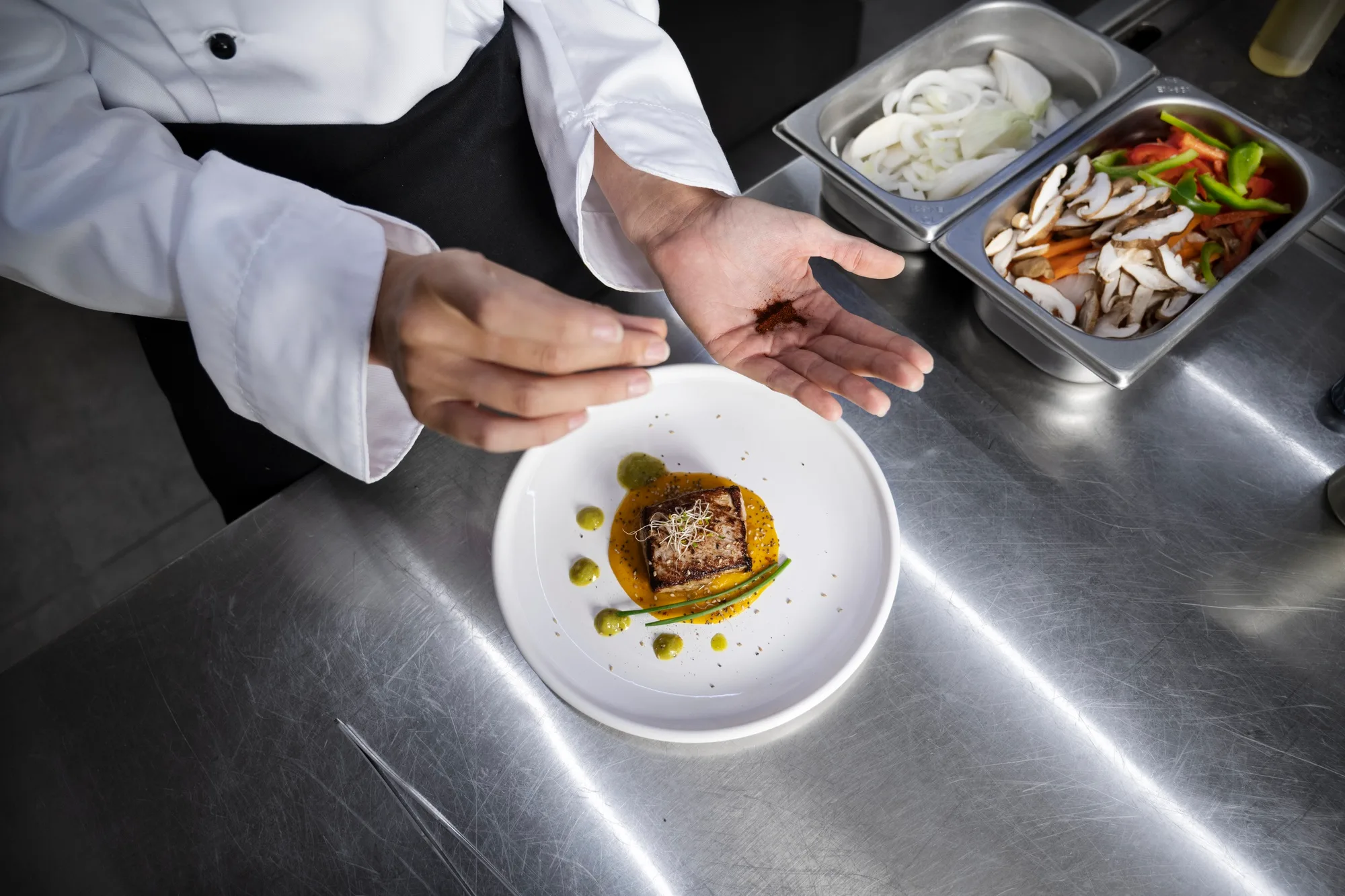
Once the foundations are in place, the work becomes more complex. Timing, station organisation, communication and teamwork matter more as dishes involve multiple components, and this is where a professional kitchen classroom starts to mirror real service.
The journey generally moves in this order:
| Stage | Focus | What You Build |
|---|---|---|
| Starting out | Knife skills, hygiene, mise en place | Good habits and confidence |
| Developing | Foundational cooking methods | Technique and understanding |
| Progressing | More complex cuisine, timing | Coordination and consistency |
| Applying | Service-style work, teamwork | Communication under pressure |
Exact content and sequence depend on the programme and intake, so check the cuisine course page for the current details.
What Do You Need to Apply?
Entry requirements concern your background, not your cooking record. Applicants generally need to be at least 17 and to have completed high school or an equivalent qualification.
English proficiency is also stated, at IELTS Band 5.0. Adult applicants may submit a current CV or résumé as part of the process.
Other Malaysian culinary programmes may set different criteria, such as a minimum number of SPM or O-Level credits, so always confirm requirements with each institution.
Fees at Le Cordon Bleu Malaysia are listed as starting from RM37,950, though the final amount may vary by programme and intake. Published fees across Malaysian providers differ considerably, so compare carefully.
“No Experience” Does Not Mean “Easy”
Being a beginner is fine. Being unprepared for the demands is where students struggle.
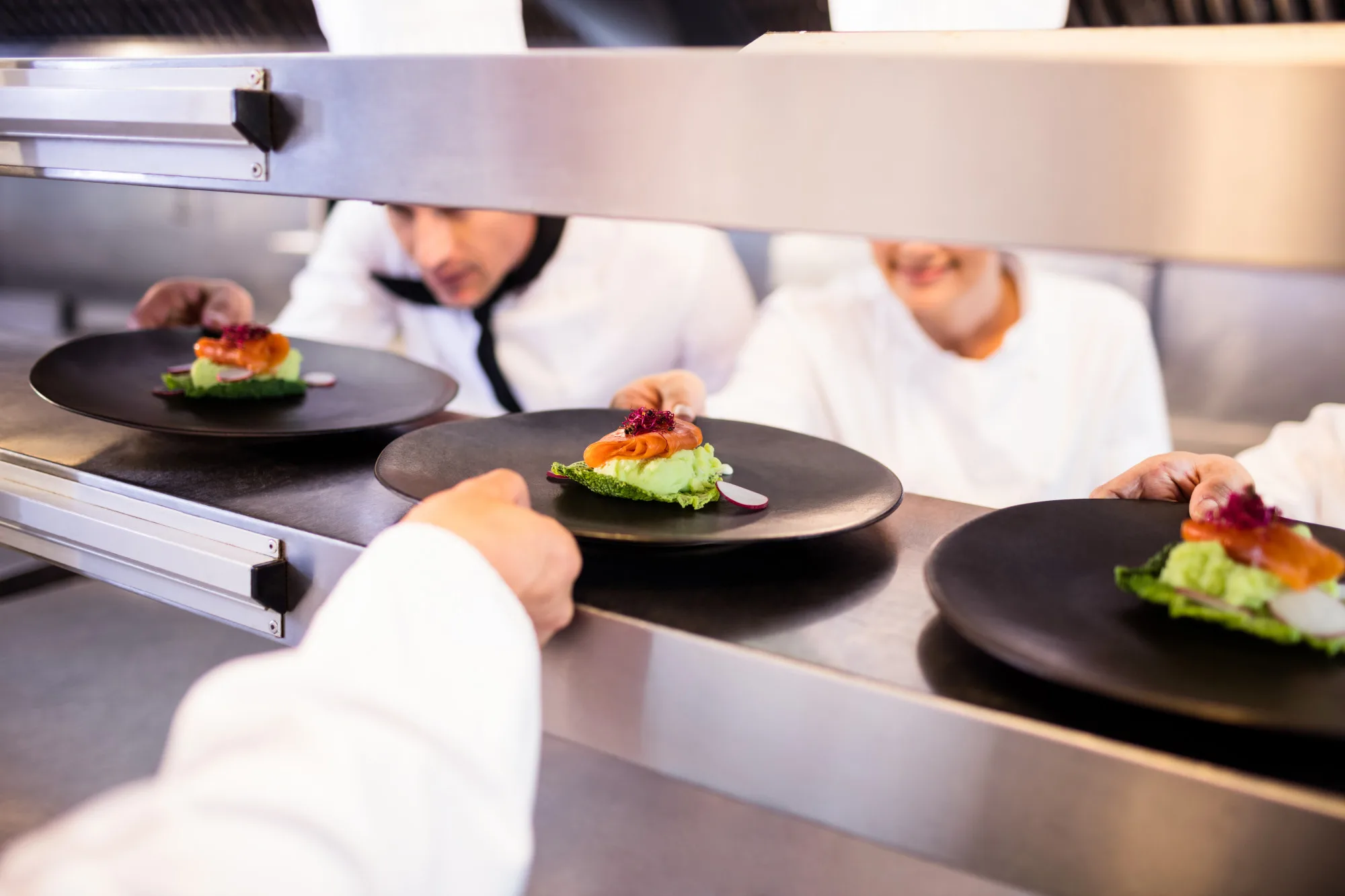
Professional training asks for discipline, speed, cleanliness and regular practice. Kitchens are physically demanding, with long periods on your feet, and the mental demands of kitchen work are just as real.
You can prepare by cooking at home, practising basic cuts, reading about kitchen safety and building stamina. None of this is compulsory, but it can make the early weeks smoother.
Ready to Begin Your Culinary Journey?
Starting without kitchen experience is common, and a structured programme is built to take you from the first knife cut towards professional cooking.
If you are weighing short courses against full diplomas, speak to the admissions team about requirements, intakes and fees for your situation.
Frequently Asked Questions
What are culinary fundamentals for beginners?
Culinary fundamentals are the basic skills every cook needs before moving to advanced techniques. They include knife skills, kitchen safety, sanitation, ingredient handling, mise en place and basic cooking methods.
Learning them first gives you a reliable base, so later dishes make sense and you can work cleanly, safely and efficiently in a professional kitchen.
What is included in the cuisine diploma at the start?
Early training typically covers hygiene, knife work, organisation of your station and foundational cooking methods. Exact modules, schedules and assessments may vary by programme and intake, so it is best to check the current course details or ask the admissions team directly.
Who is the cuisine diploma suitable for?
It suits people with a passion for culinary arts who want structured professional training, including school leavers and adults changing careers. Applicants should meet the age, education and English requirements.
Whether it fits you depends on your goals, budget and availability.
When should I start preparing to apply?
Start as early as you can, ideally a few months before your preferred intake. Check your qualifications, arrange an English proficiency result if needed and prepare a CV if you are an adult applicant.
Timelines vary with each person’s circumstances and the intake dates available.
How much does the course cost and how demanding is it?
Fees are listed as starting from RM37,950, but the final amount may vary by programme and intake. Confirm the current figure with the school. Expect a demanding schedule with practical sessions, set standards, time pressure and regular practice, rather than a relaxed hobby class.
Does “no experience required” mean the course is easy?
No. It means you can begin as a beginner, not that the training is light. You will be expected to be disciplined, keep a clean station, work in a team and handle physically demanding days.
Most beginners cope well with consistent effort and a willingness to learn.
How do I choose the right culinary school?
Compare entry requirements, fees, programme content, facilities, chef-instructors, class formats and how practical the training is. Ask what is included in the fees and what support is offered.
Visiting, or speaking to admissions staff, can help you judge whether the environment suits your goals.
Can I study culinary fundamentals for beginners without any home cooking?
Yes. Culinary fundamentals for beginners are taught from the ground up, so home cooking is not a requirement. Some familiarity with basic cooking may help you feel at ease, but every student is taught the core skills step by step.